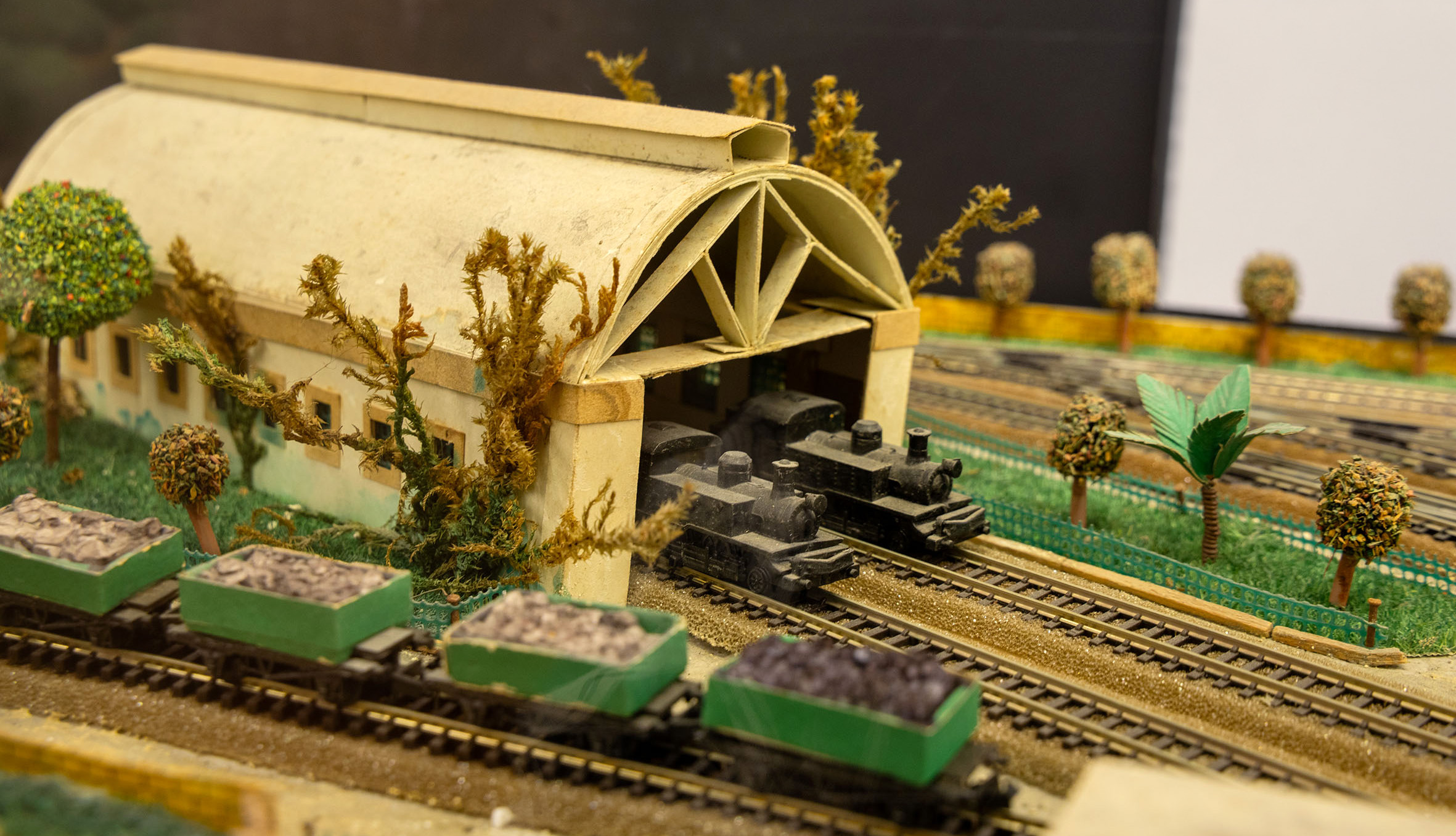
On a recent return to Malta, I arranged to visit the original Malta Railway Museum in Attard. I recall my first visit, around ten years ago, when I arrived at the door determined to see this legendary location for myself.
There were always rumours of it when I was young, back in the 1980s. I think my grandparents heard it existed but, even though they were resident and knew my interest in railways, had no leads to track its location down. It remained a thing of myth for me for decades until my adult life.
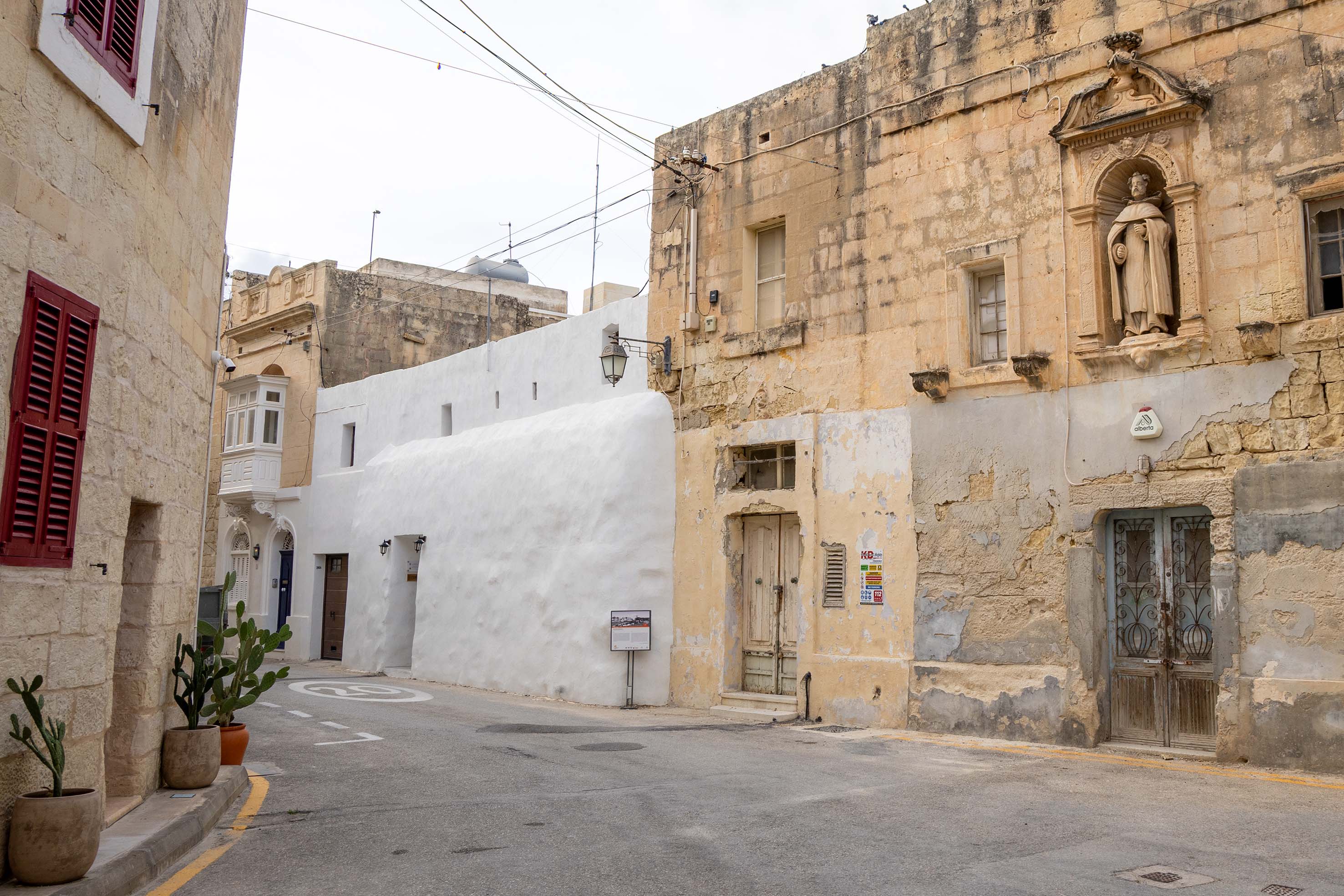
Back in 2015, having tracked the museum down via the internet and found it closed I tried at the house next door, but no one was in. There was a service taking place at the parish church nearby, so I thought I would wait around in case Mr Azzopardi, to whom the museum belonged, was amongst the congregation and might be able to offer me another time to visit.
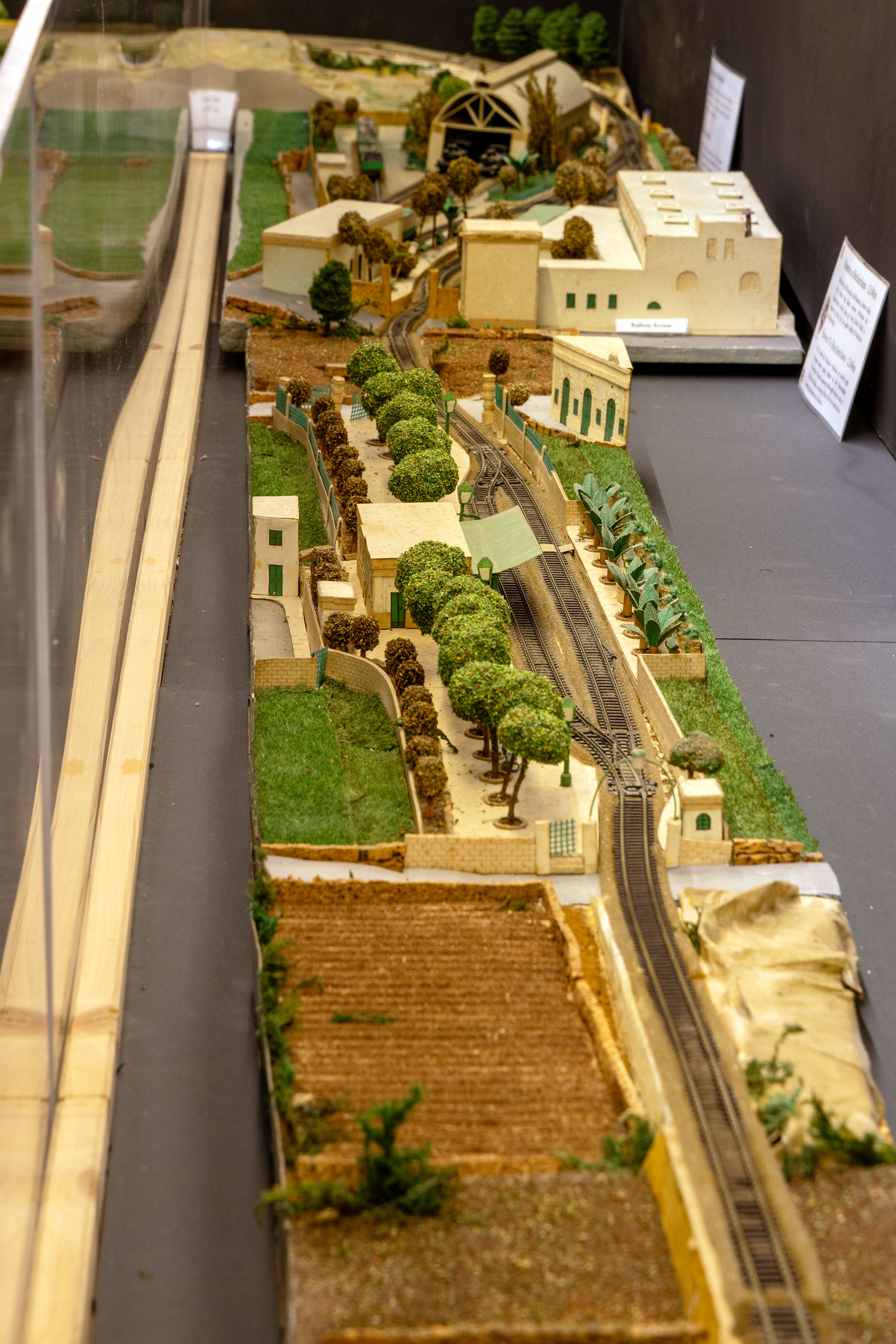
Nicholas Azzopardi had been researching the Malta Railway since the 1960s, collecting photographs and artefacts, and building a model of the entire railway from Valletta to Museum station; this was now the museum’s showpiece. This was not a simple trainset, but a detailed and accurately scaled model of each station in turn, cleverly and ingeniously compressed to fit within the space available to him without sacrificing accurateness.
My patience paid off and, after I’d explained my interest, I was graciously let in. That was a decade ago, before my interest in the railway fully reignited and before the sad passing of Mr Azzopardi in 2019.
That could have been the end of the little museum had it not been for Azzopardi’s son, Joseph. I first made contact with him when he was engaged in restoring the museum building, an old bakery, and his father’s railway exhibition. Now christened Il-Forn ta’ H’Attard it’s open for visitors during regular open weekends and on request.
I’d arranged to visit the museum the evening of the same day I arrived, just hours after landing. Joseph met me at the door and guided me in. The excitement at having privileged access to a legend remains undimmed.
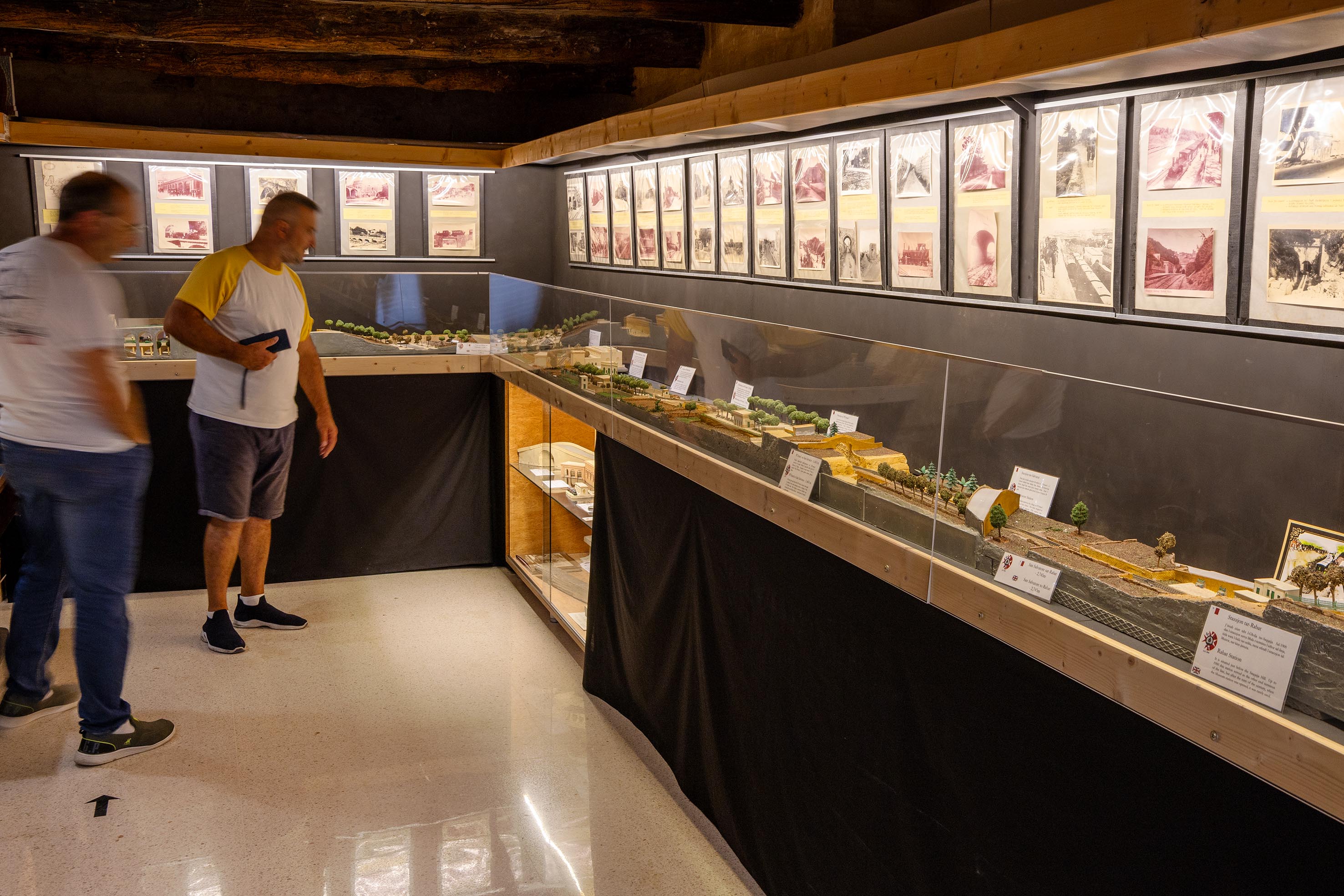
The restoration of the building really showed, still familiar but now with a new lease of life. Downstairs is reserved for an ancient crib, bakery features, and other models, whilst the railway section enjoys its own mezzanine floor above.
And there it is, Nicholas Azzopardi’s model fully restored across two walls of the space. It’s still an impressive feat. When he was working on it in the 70s and 80s there were fewer modelling resources than today and the scale chosen, effectively N-Gauge, further limited availability of components.
The layout, landscaping, and buildings were all built from scratch, meticulously modelled from the original examples or based on careful research. Apart from a few firs, all the trees, palms, railings, and even individual benches, have all been made by hand. Buildings are built from card.
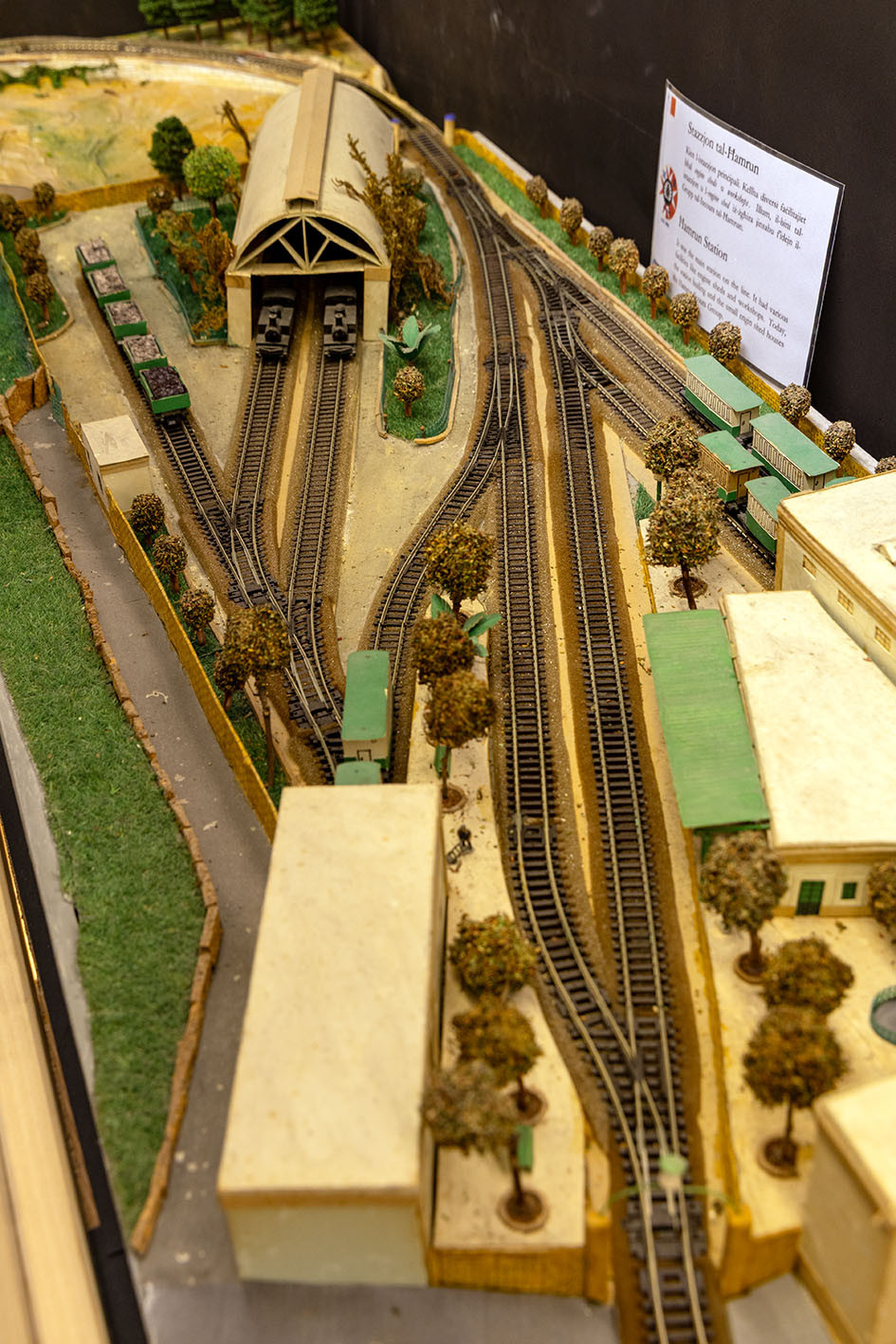
Several features demonstrate the attention to accuracy, the faithfully replicated track layout, the design of the upper station building at Notabile, and several small guard huts and latrines that might otherwise be easily overlooked. It remains the most complete and precise representation of the Malta Railway.
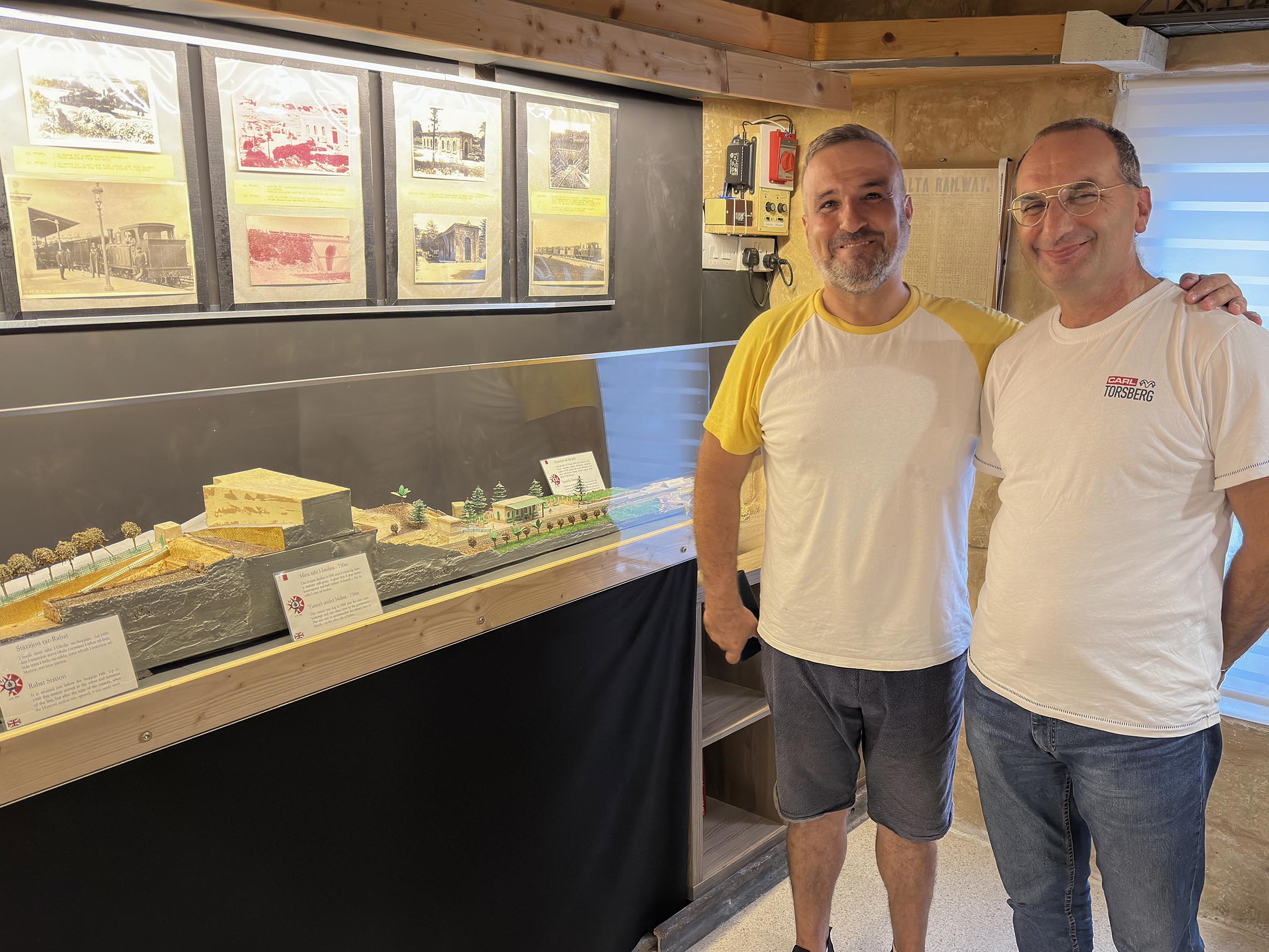
Since the refurbishment, railway artefacts are now displayed effectively in their own cabinets, well lit and captioned. The many photos, some unique, others a rare record of surviving features taken by Nicholas Azzopardi himself before their loss, line the walls above the model. They accompany it on its journey along the length of the line, adding depth to the story.
It’s incredible that the model has retained its relevance, interpreting part of Malta’s history so articulately for almost forty years; it’s a testament to the care and dedication taken in its construction. That legacy is now in Joseph’s hands. It’s heartening that he’s not just preserved the model, but restored it, the building, and the museum as a whole.
In a world that’s increasingly viewed through a screen, places, artefacts, and models like this remain powerful ways to explain the the past.

No responses yet