Museum (Mtarfa)
The end of the line
Museum station was always dramatically but inconveniently situated. Tourists now overwhelm Mdina, but few leave its walls to explore further. The rear gate through the fortifications, supposed to have been built to improve access to the station, seldom sees visitors pass beyond it.
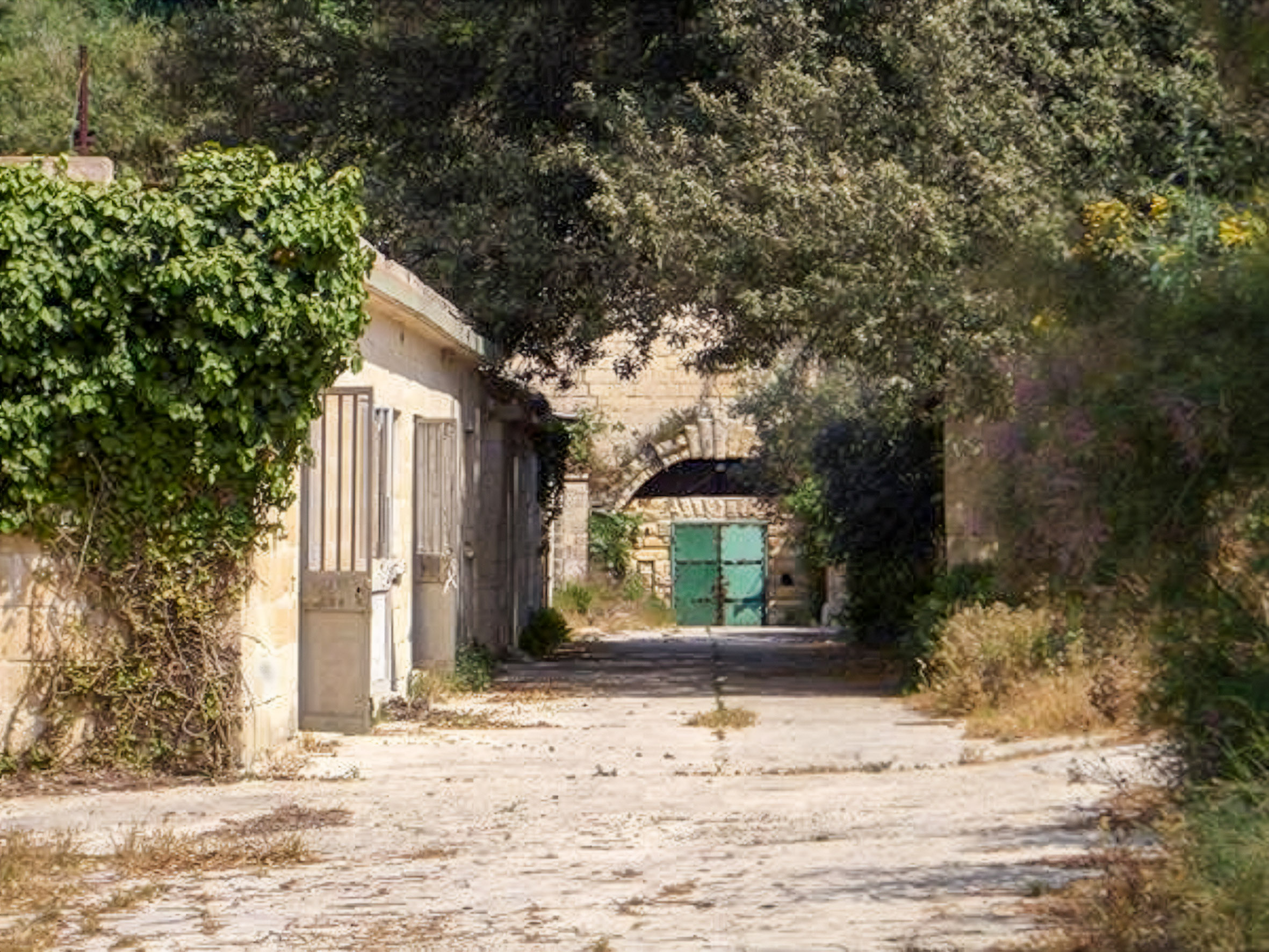
The lane down to the station is now quiet, interrupted only by the Ghajn Hammiem spring, before descending down to the railway. The last of the ventilator shafts of the Mdina tunnel is also passed.
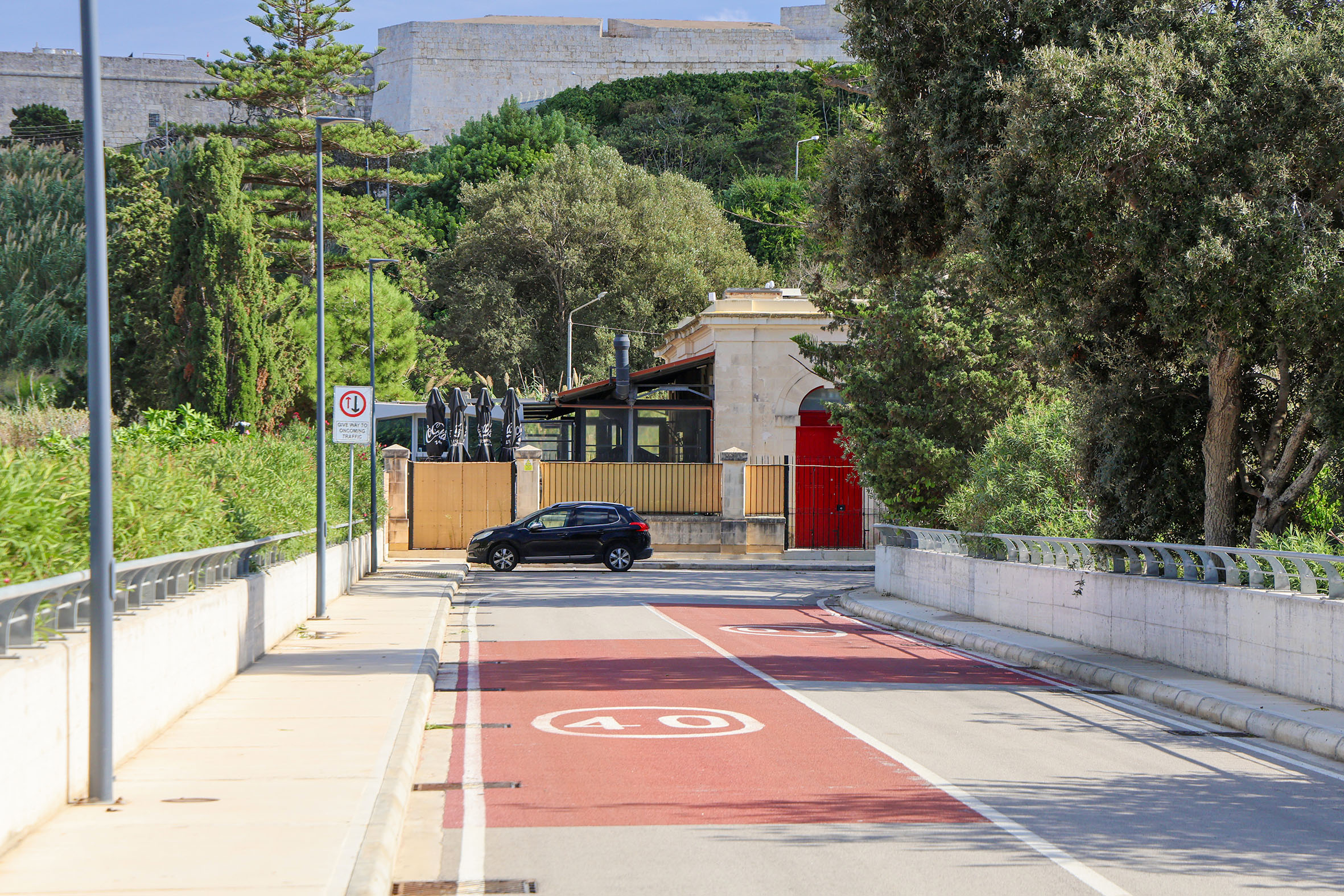
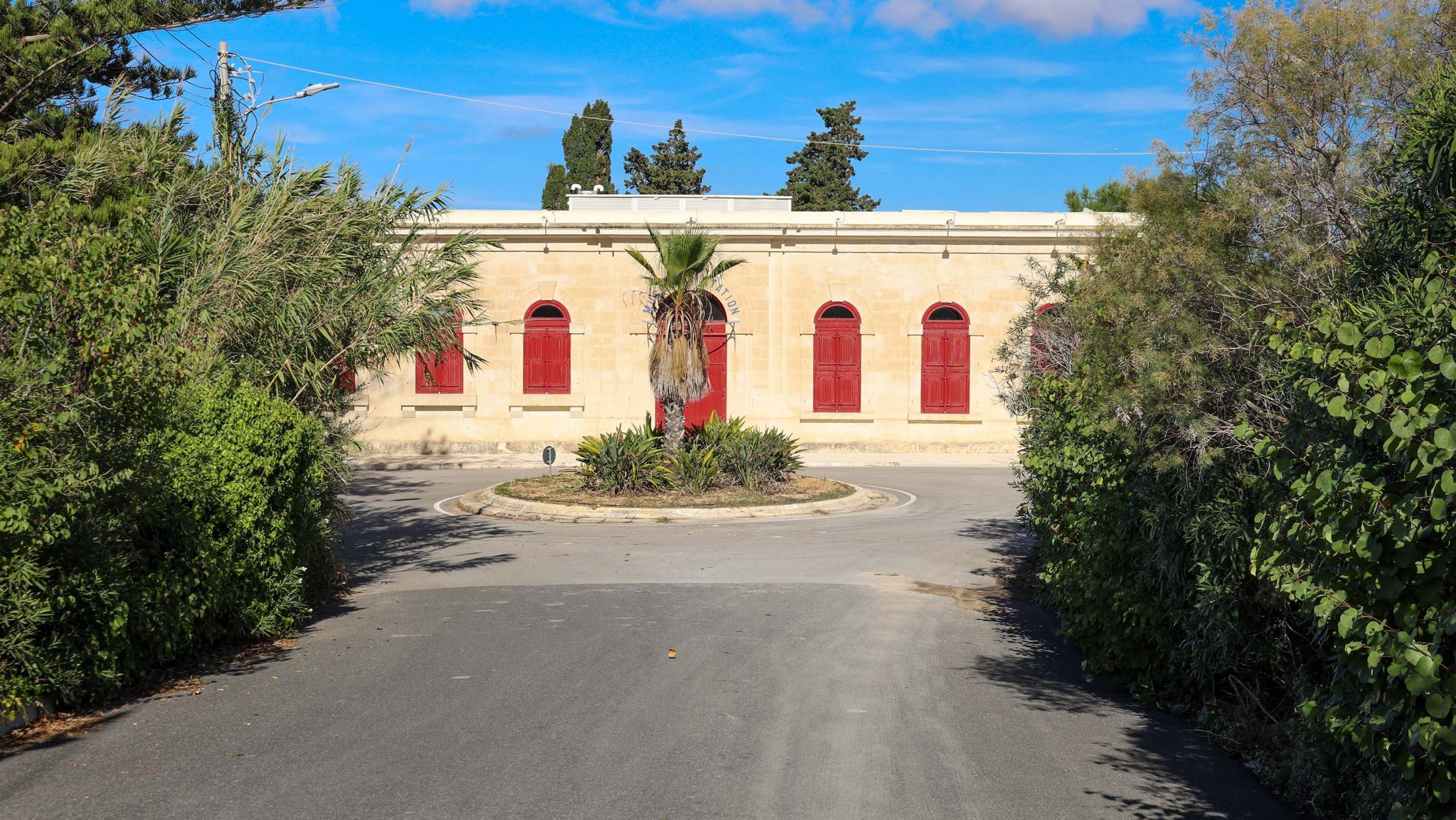
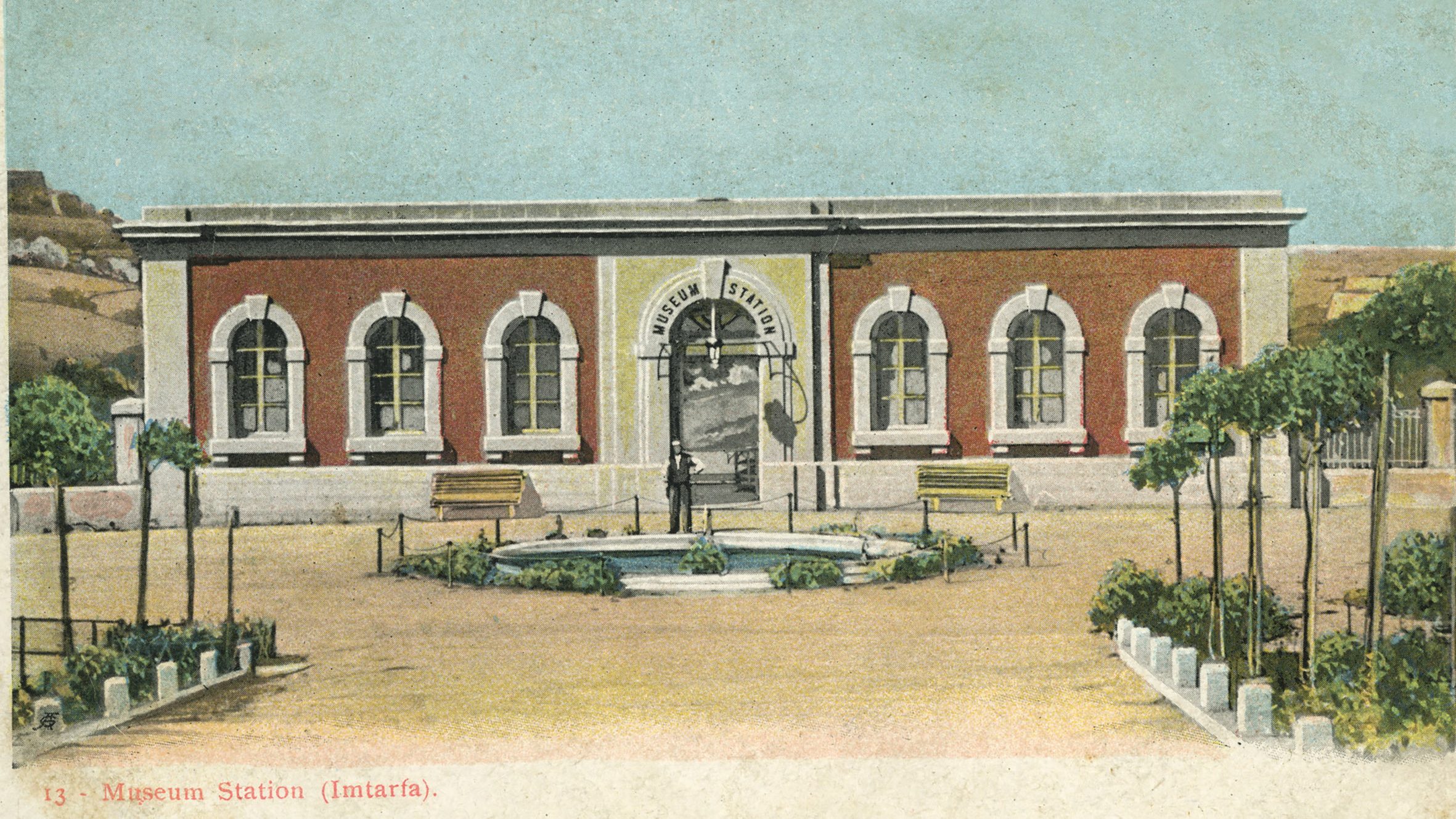
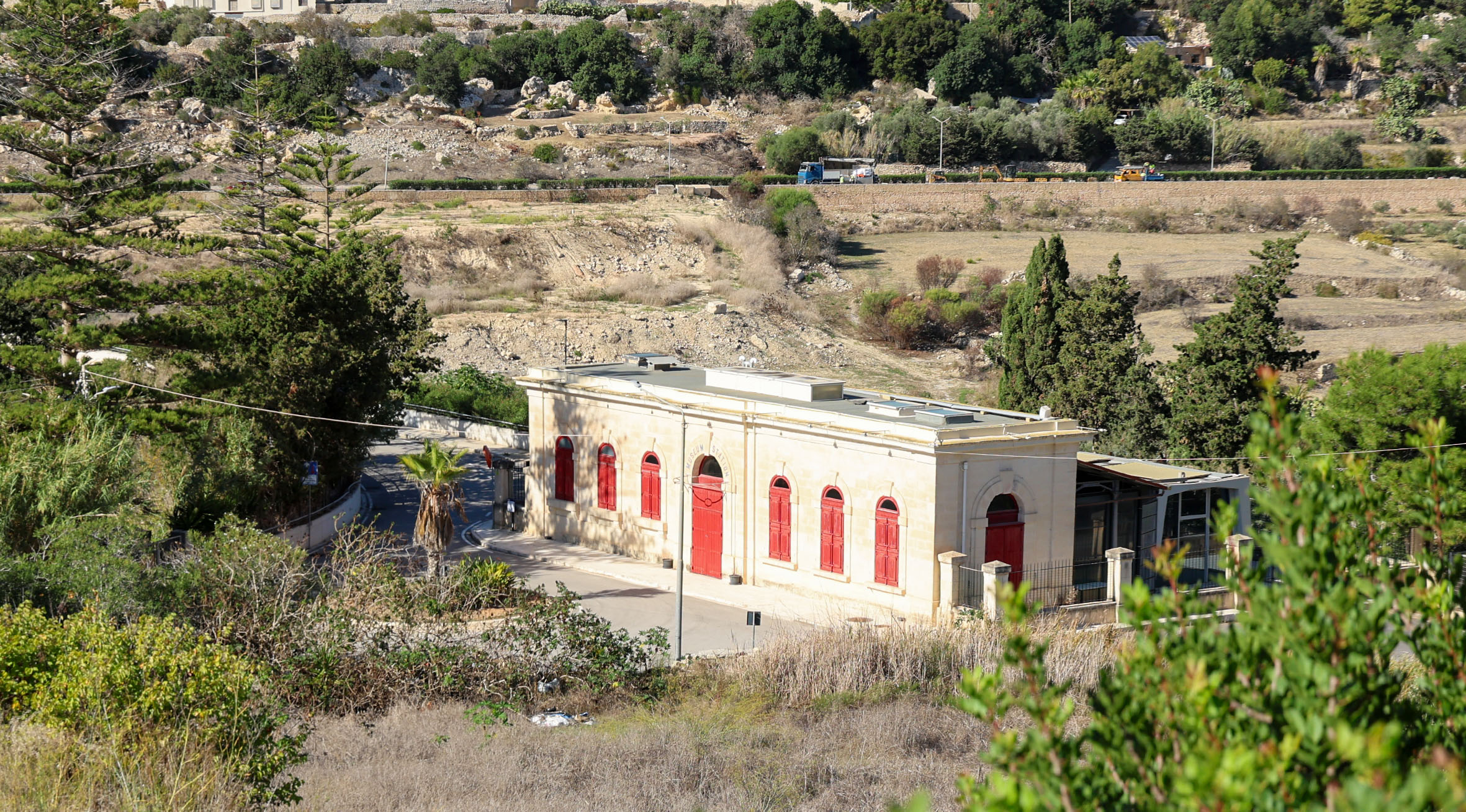
The station building was refurbished as a restaurant in the 1980s after decades of gradual decay. It’s now gone through several incarnations, new structures being added to the platform side each time, that undermine the character and appearance of the site.
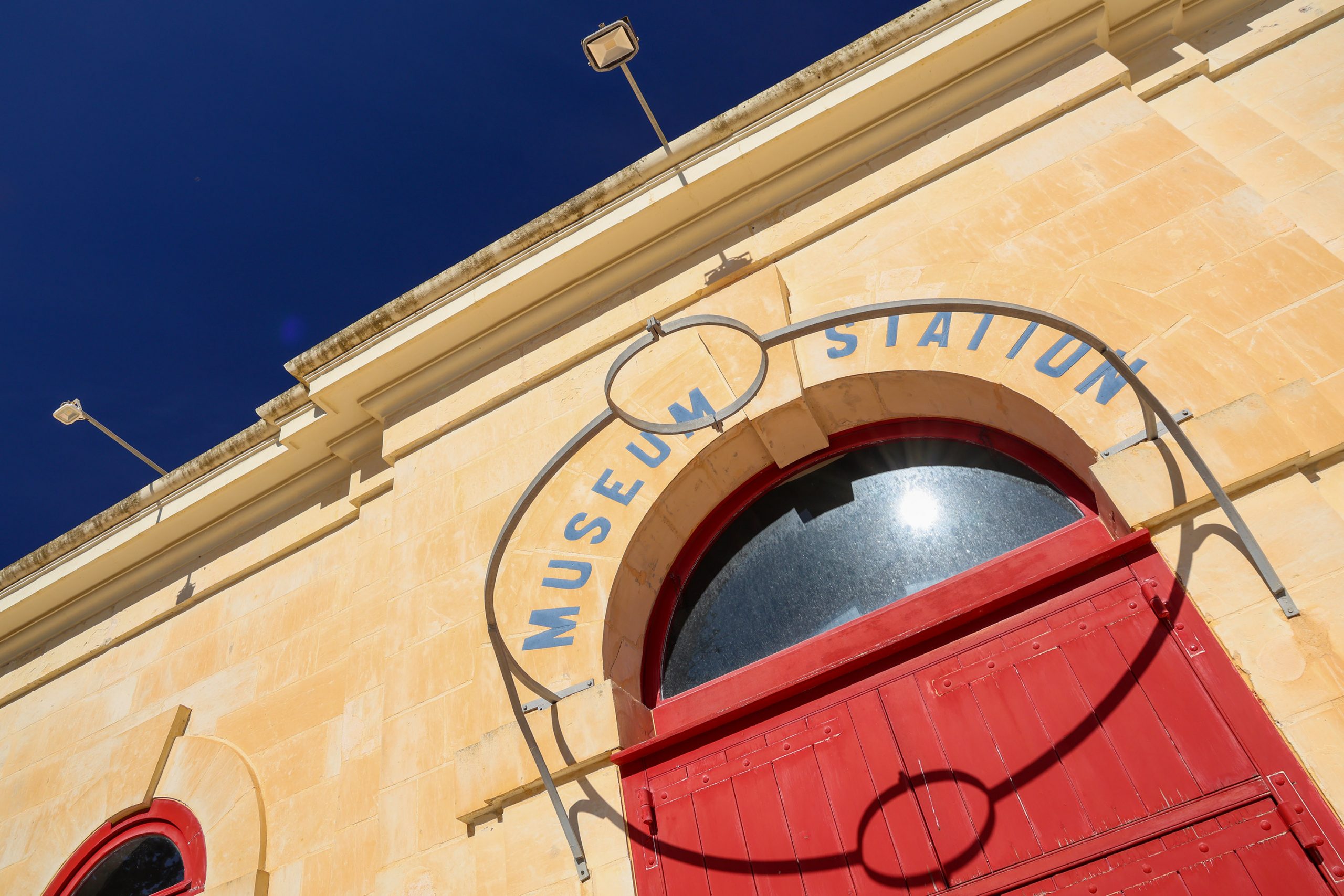
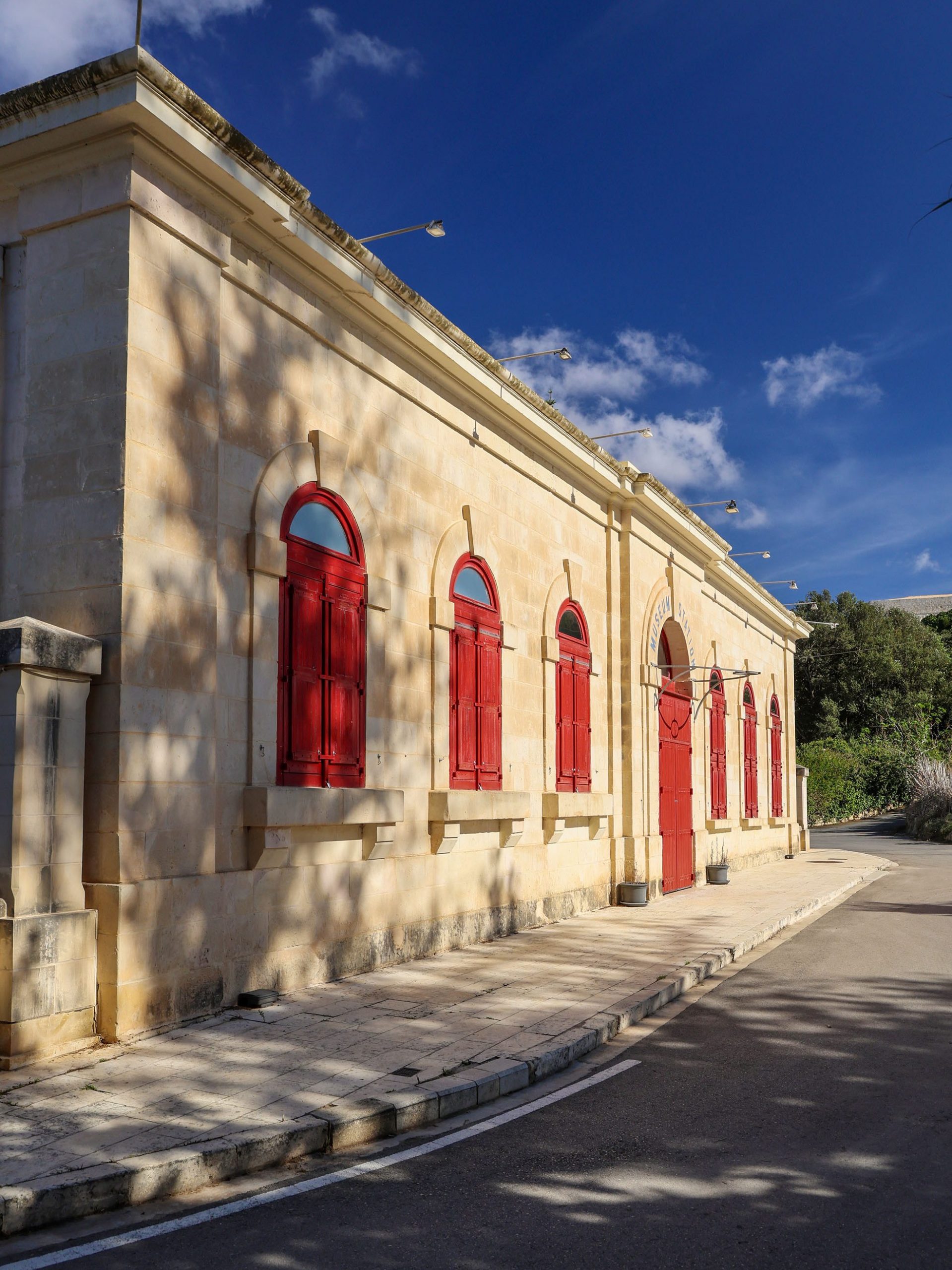
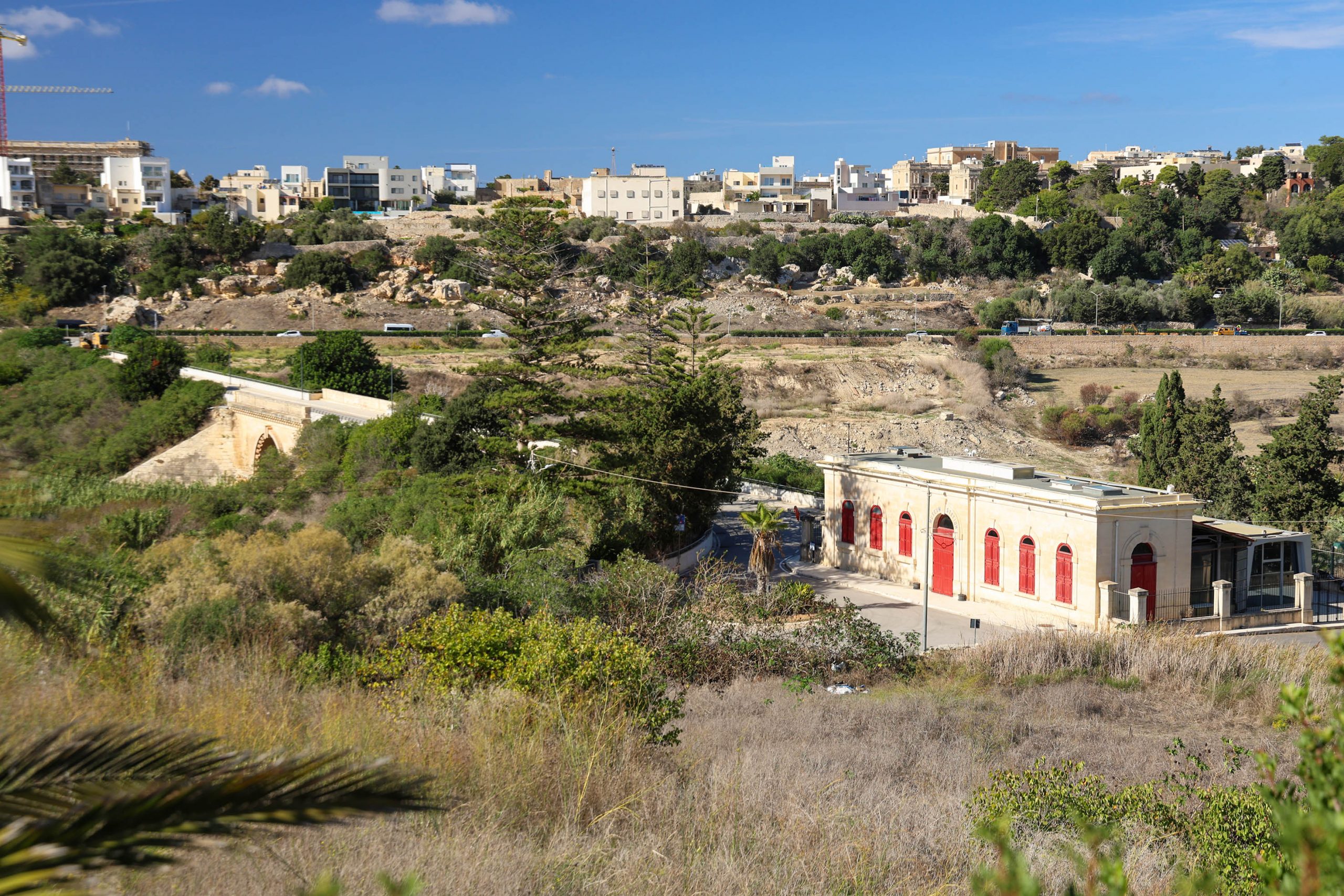
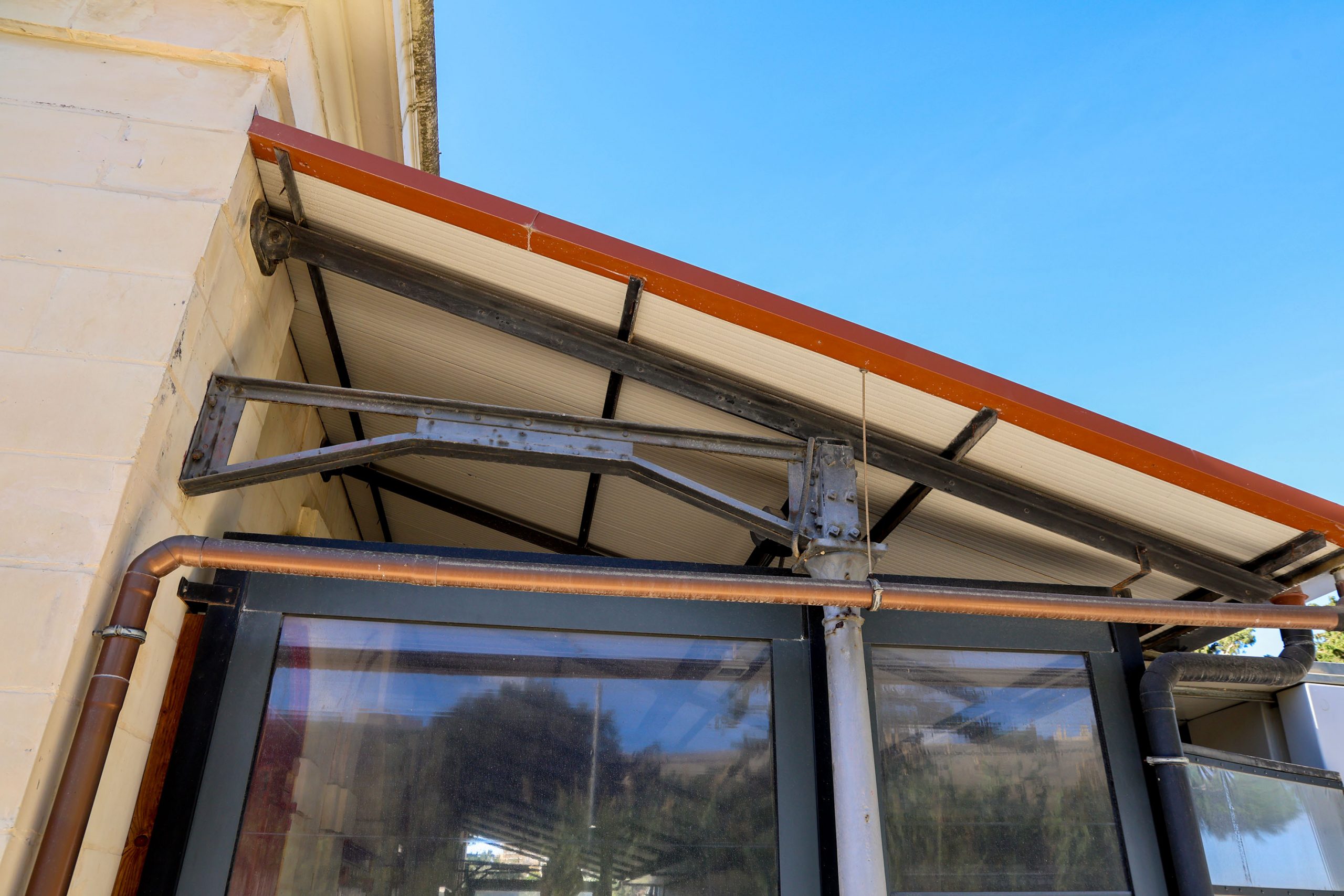
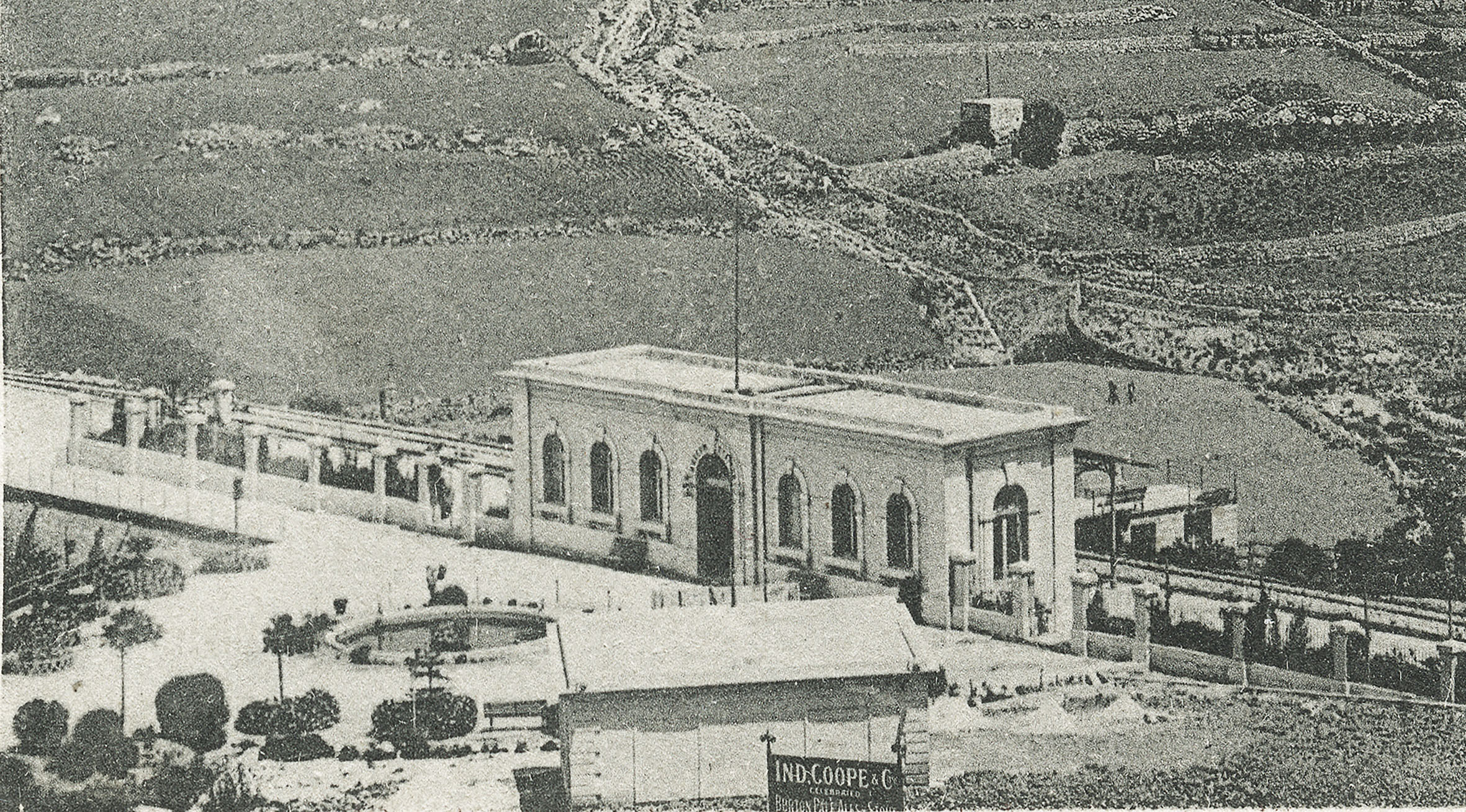
Despite the modern glass infill and cumbersome dining structures, the canopy survives in good condition. The entrance front is better preserved, and continues to command the end of the approach road down from the Domus Romana villa site, the museum that gave the station its name.
Gratifyingly, modern road alterations around the station have left the circular pond, now a planter, undisturbed, its carved stonework still in good condition. The station gardens are now unkempt, oleander, now virtually of forest proportions, runs wild along with descendants of other ornamental shrubs.
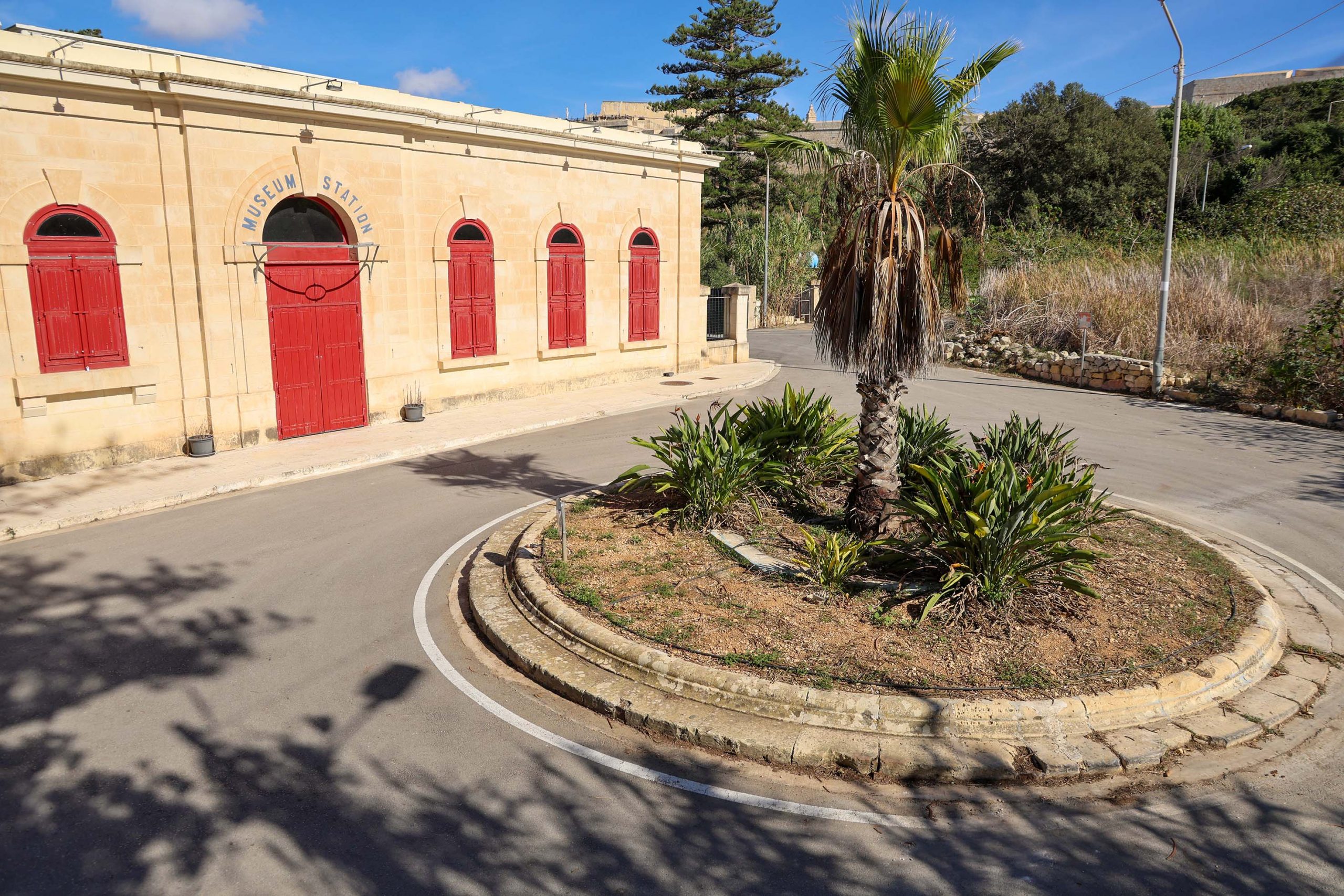
A particularly notable horticultural survivor is a Norfolk Island Pine, planted when the station was first laid out, and now fully mature more that a century and a quarter later. It grows on the eastern side of the cutting leading from the tunnel portal to the now-vanished platform.
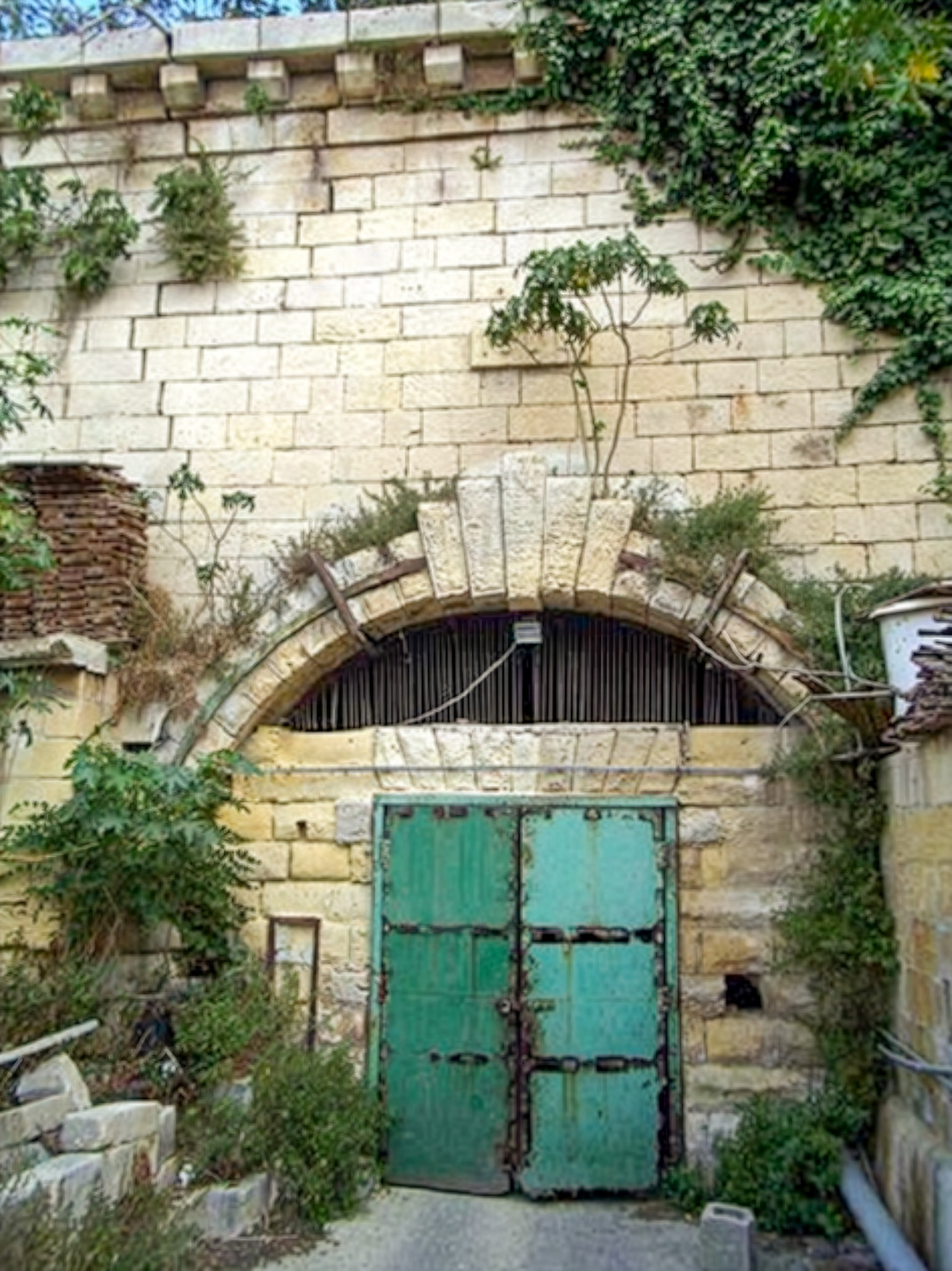
The tunnel was used as a mushroom farm for years. Buildings from this closed enterprise are still scattered around the site, now private land. The portal has been recorded a number of times in recent years, though permission must always be obtained before entering the compound. It’s in poor condition and braced with steel work introduced to arrest the subsidence that’s posing the greatest risk to its future.
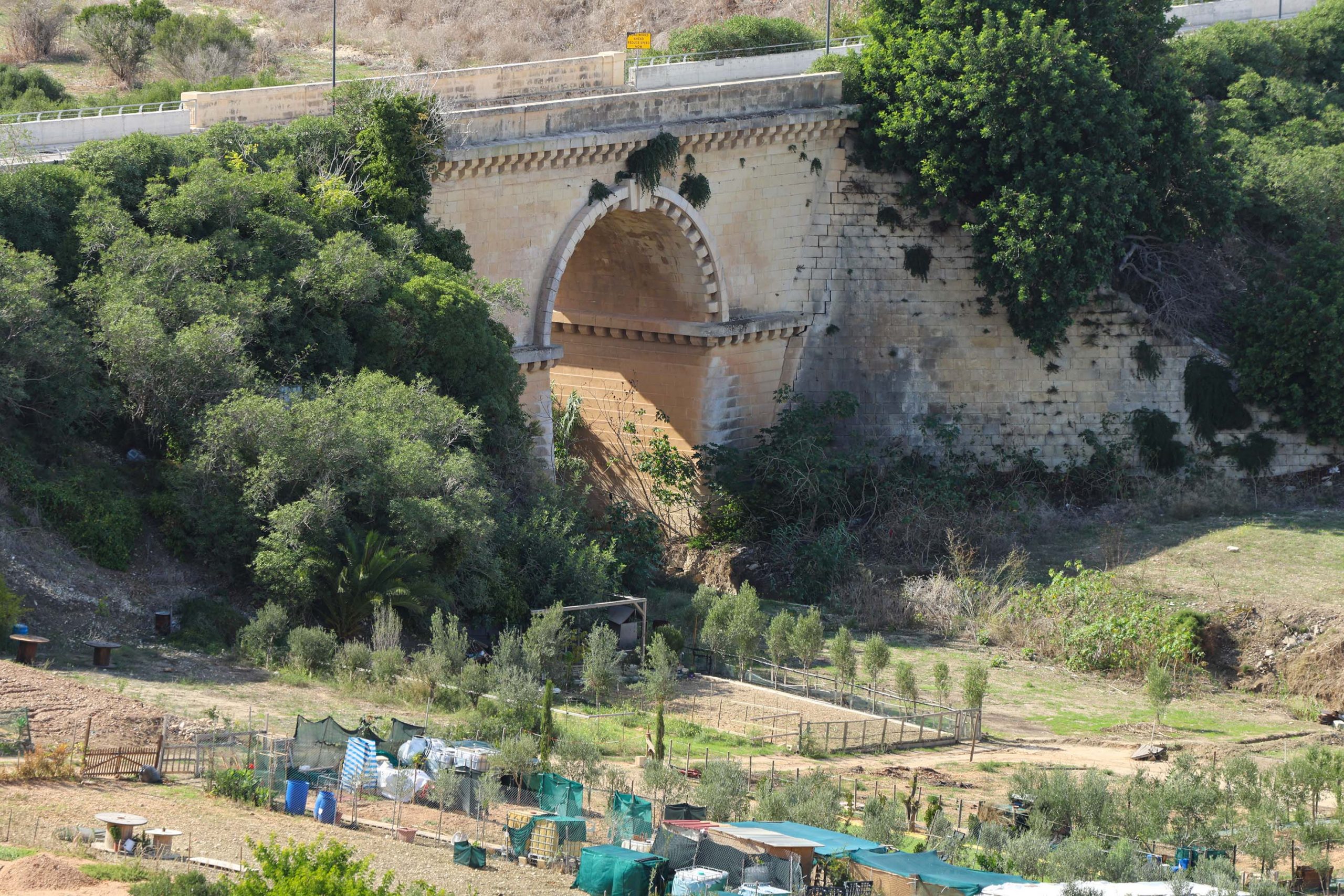
Inexplicably, the road to Mtarfa that still passes over Gheriexem Bridge was recently upgraded, complete with a 40mph speed limit, new surfaces, and lighting and concrete barriers along its length. For such a little used road, this feels incongruous and entirely out of character with the situation.
Despite the road, the bridge remains majestic and monolithic, dominating the valley. In both directions, but difficult to appreciate from the embankment itself. For a better view, the road on the opposite side offer a vantage point, or tracks might be found that lead you down to the stream side.
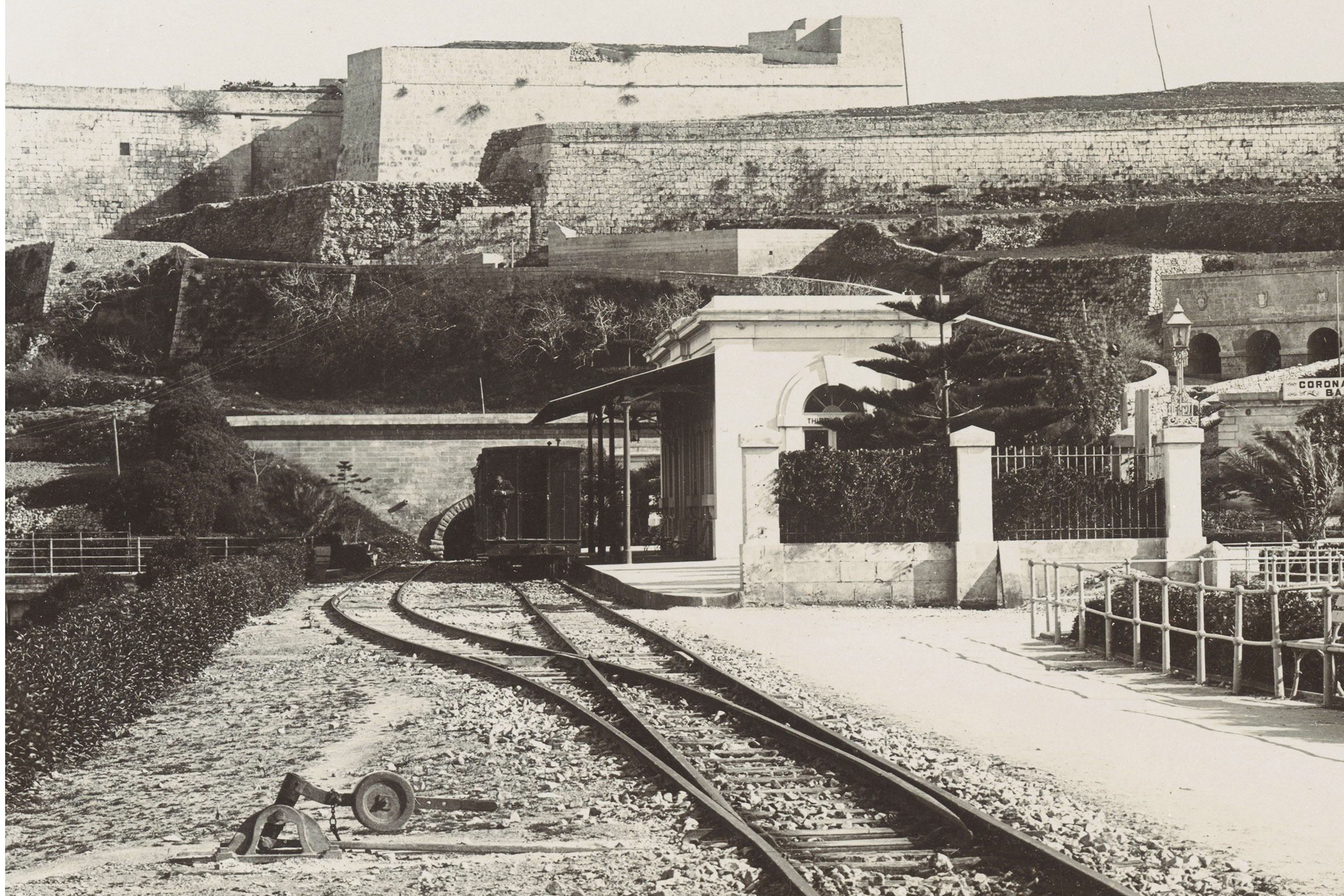
Returning on ourselves, the return towards Rabat will take the visitor past fields that were once the location of the Coronation Bar. With the closure of the Railway, the bar lost much of its trade and closed. It was demolished at some point in the 1960s, it’s believed. Piles of moulded stonework scattered around the field might be the bones of this lost building.
Ascending station road, making an abrupt 90 degree turn towards Rabat the walker passes a cistern on the right, framed with salvaged rails from the track. This provided a water supply to the station, both for filling locomotive tanks and feeding the fountains that played in the station forecourt.
A final fond look down on the station and the Malta railway might be enjoyed from the road, before it enters a cutting dug for the greater convenience of passengers who once returned to their homes this way from the last trains of the day.
Previous Station
