Malta Railway Blog
Here you’ll find all the latest news and discoveries. There’s plenty to see, including many research updates covering investigations that have helped inform the main pages on this site, and odd stories that we’ve not been able to fit in elsewhere. Have fun exploring.
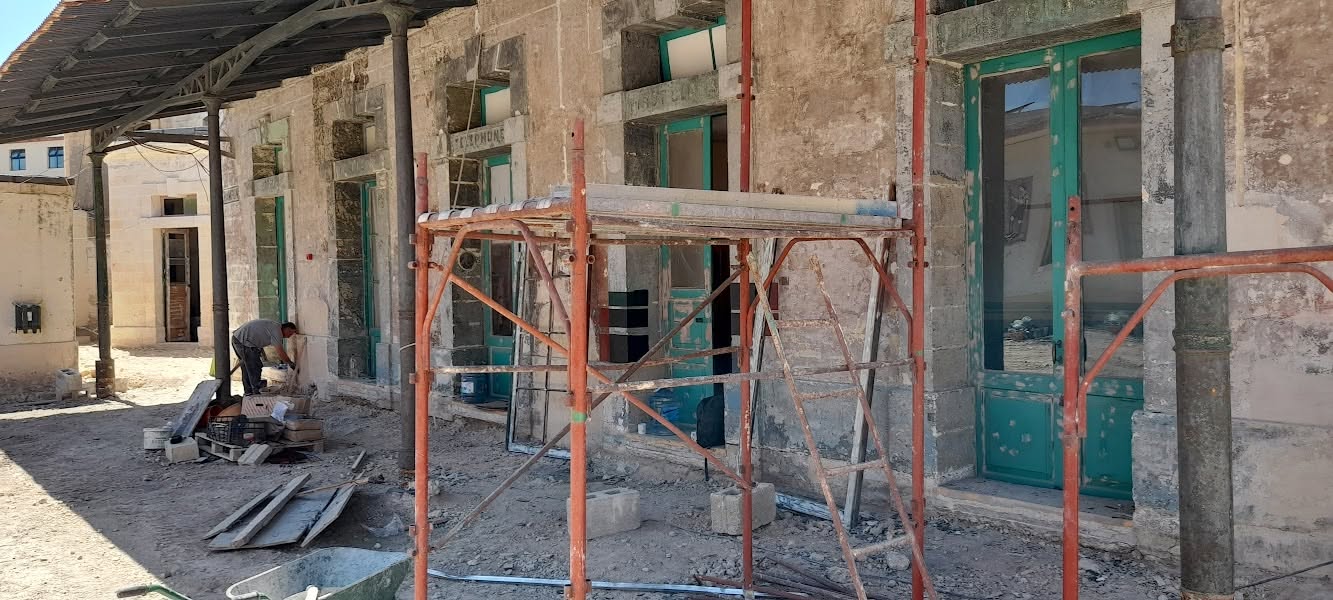
Painting Hamrun Red.
Back in 2024, the surviving Malta Railway station building in Hamrun underwent restoration and received a refreshed new look. Strikingly, the colour was transformed from[…]
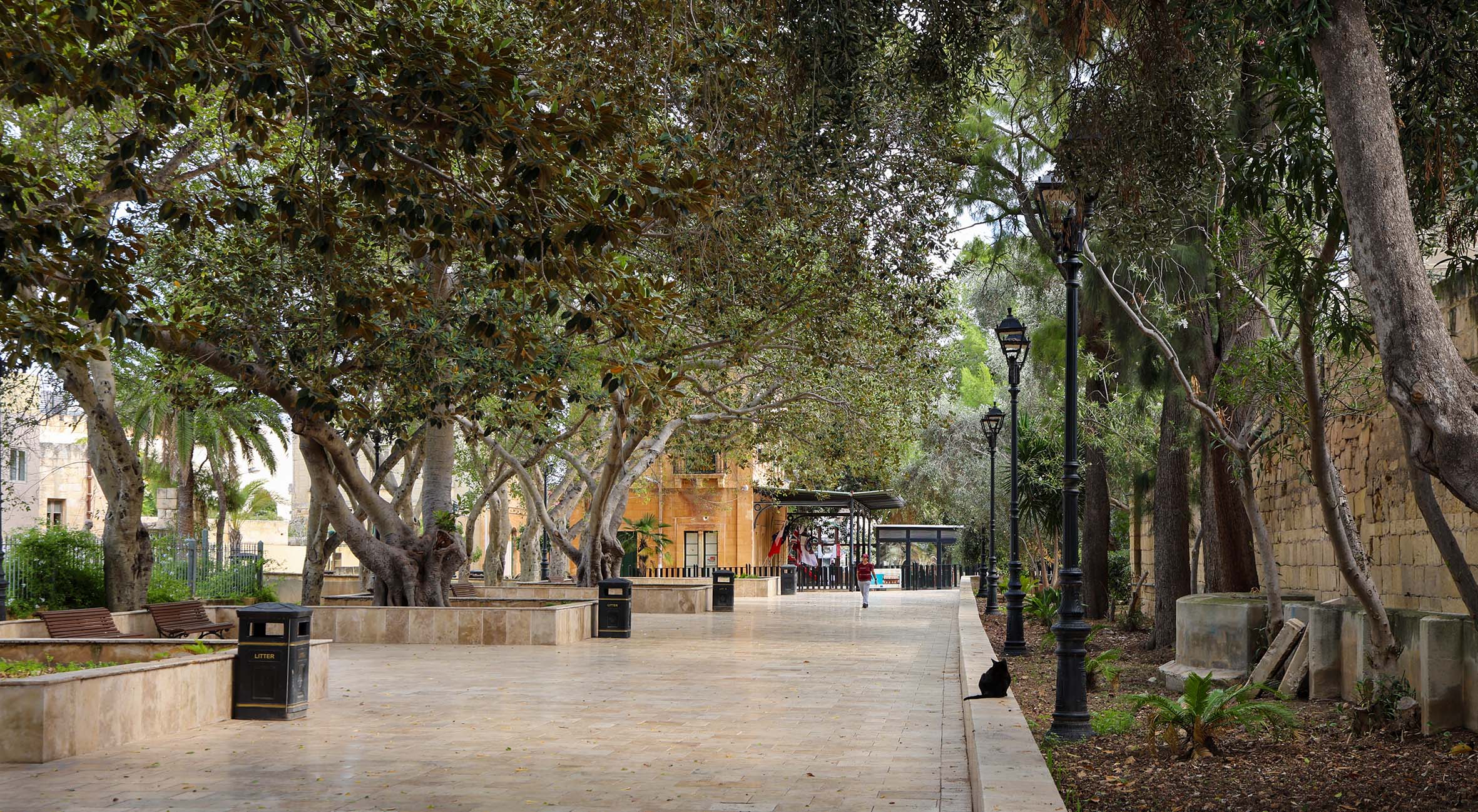
Birkirkara’s overlooked green history
It’s pretty extraordinary that around 60% of the trees in Birkirkara’s station gardens survive from when they were first planted by the Malta railway over[…]
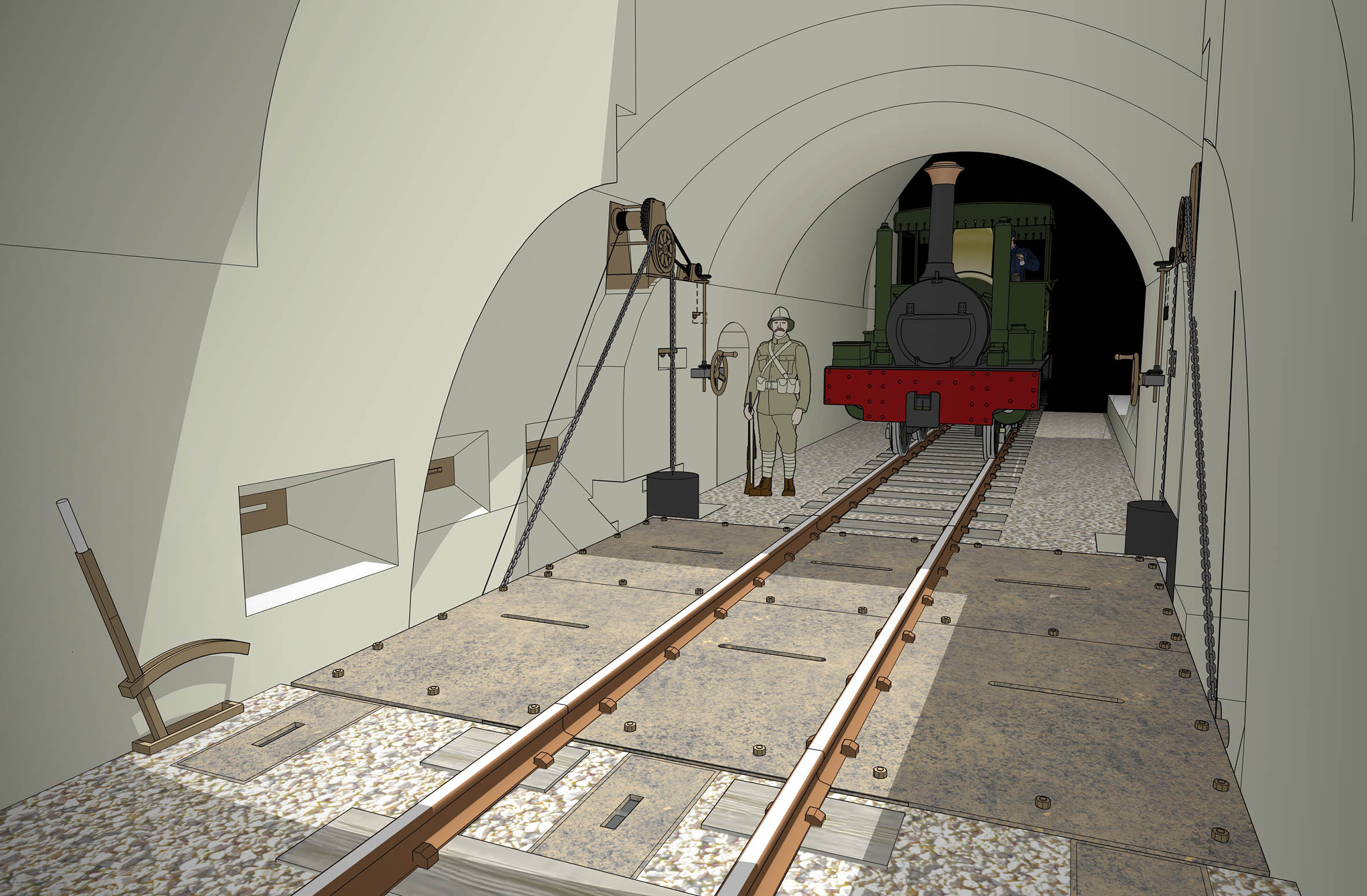
Tunnel drawbridge update
Since first publishing a new analysis of the evidence for the ‘lift bridge’ in the Floriana railway tunnel, new information has come to light. From a private[…]
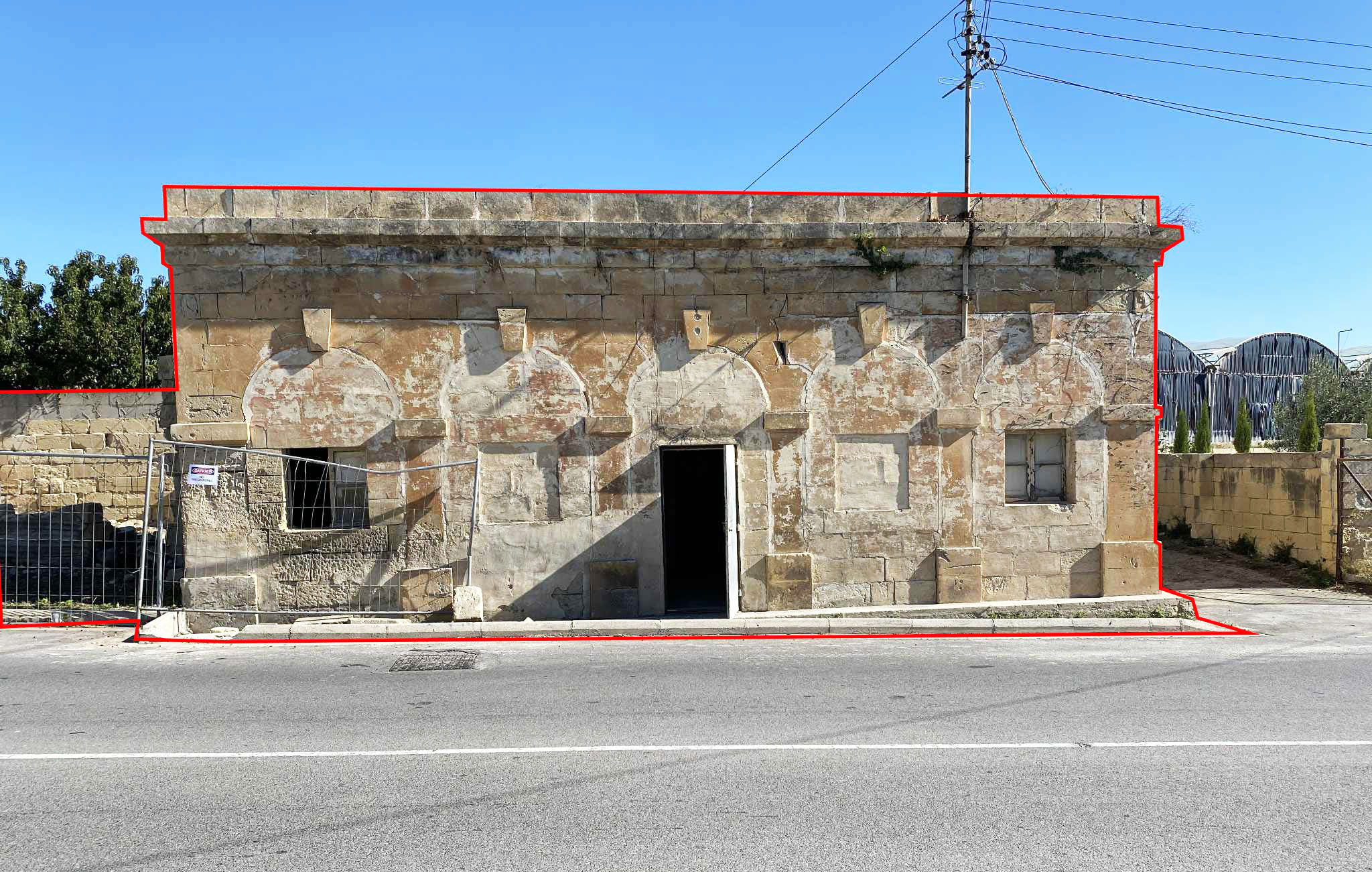
Reuse and restoration at Notabile
Back in October my visit to the former upper station building at Notabile station concerned me. Having been derelict and in decline for years, work[…]
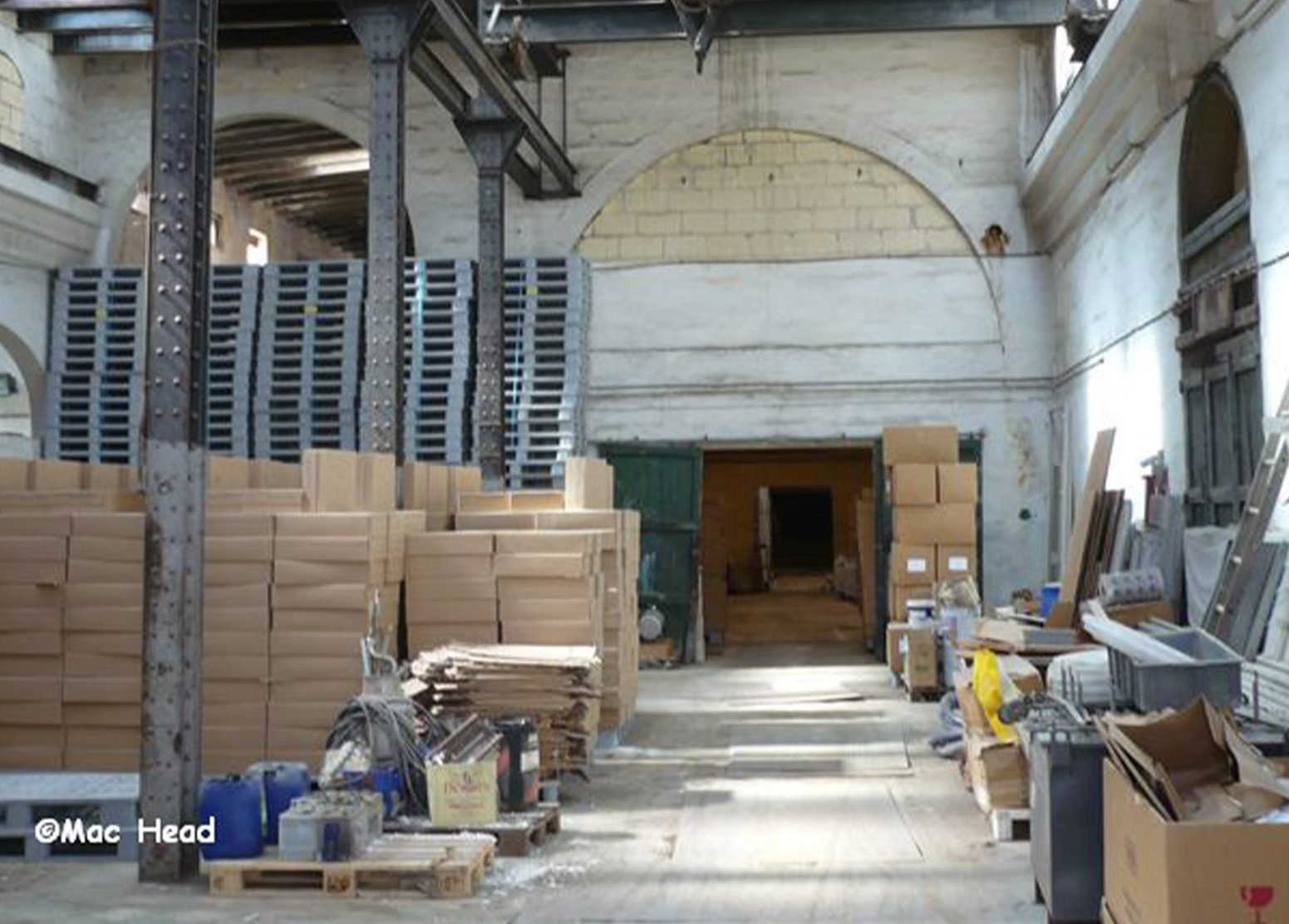
New feature dedicated to Hamrun’s railway works
Back in 2009, two transport enthusiasts, Mac Head and Keith Till were lucky enough to see inside the former Malta Railway workshops at Hamrun. We’ve[…]
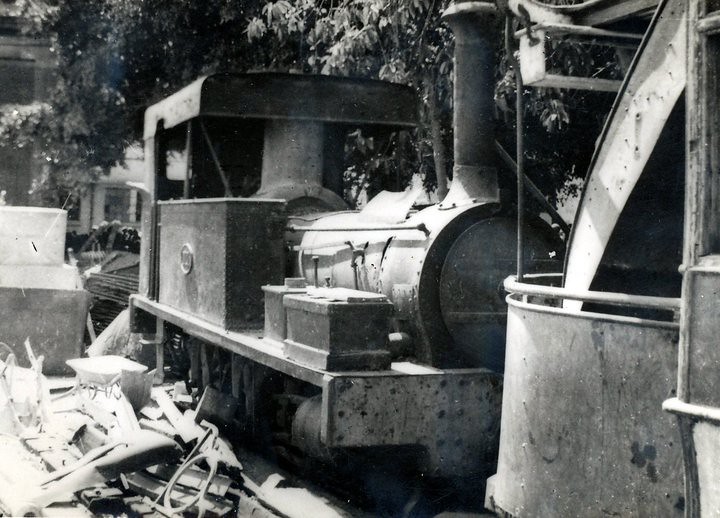
After the fall…
The national archives of Malta hold a number of copies of a drawing of Hamrun station precinct. It’s a survey drawing showing the buildings then[…]
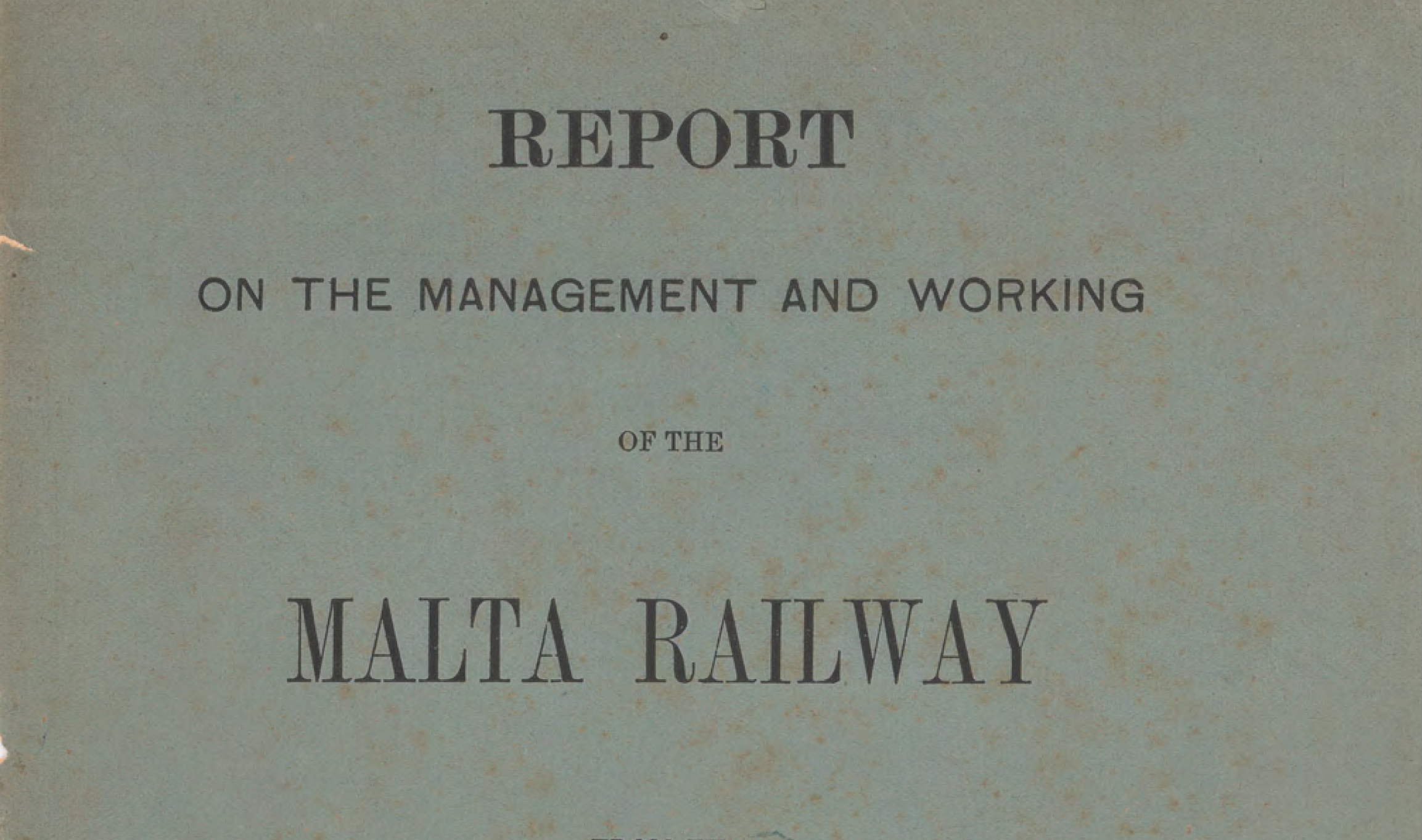
Historic railway report now available for online study
When I was in Malta in October 2025 I was fortunate enough to be gifted a copy of an important report concerning the Malta Railway.[…]
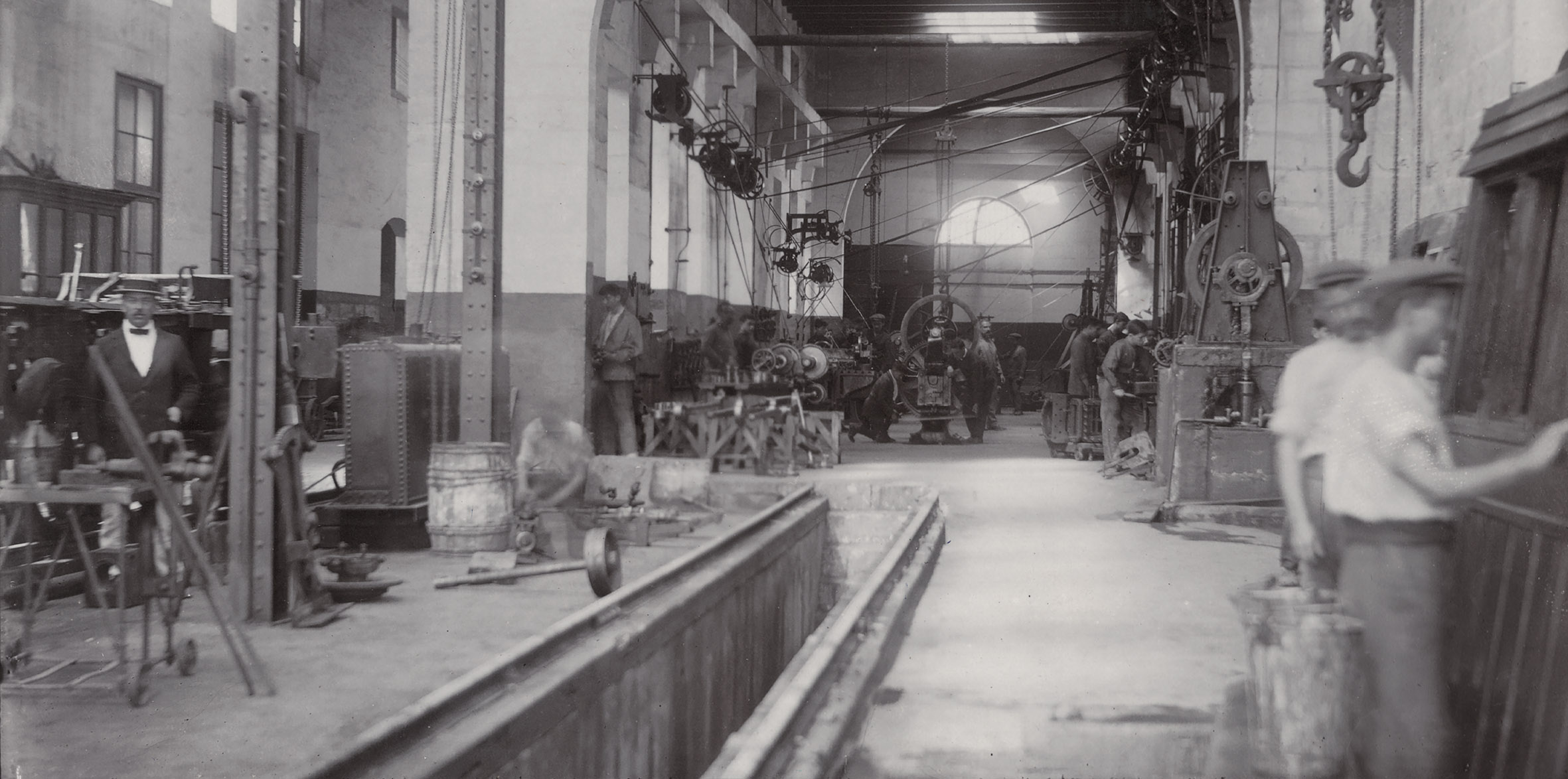
A puzzle at Hamrun Works
This is a well known photo of the Malta Railway engineering works, taken in 1912 as part of a series of promotional photographs intended for[…]
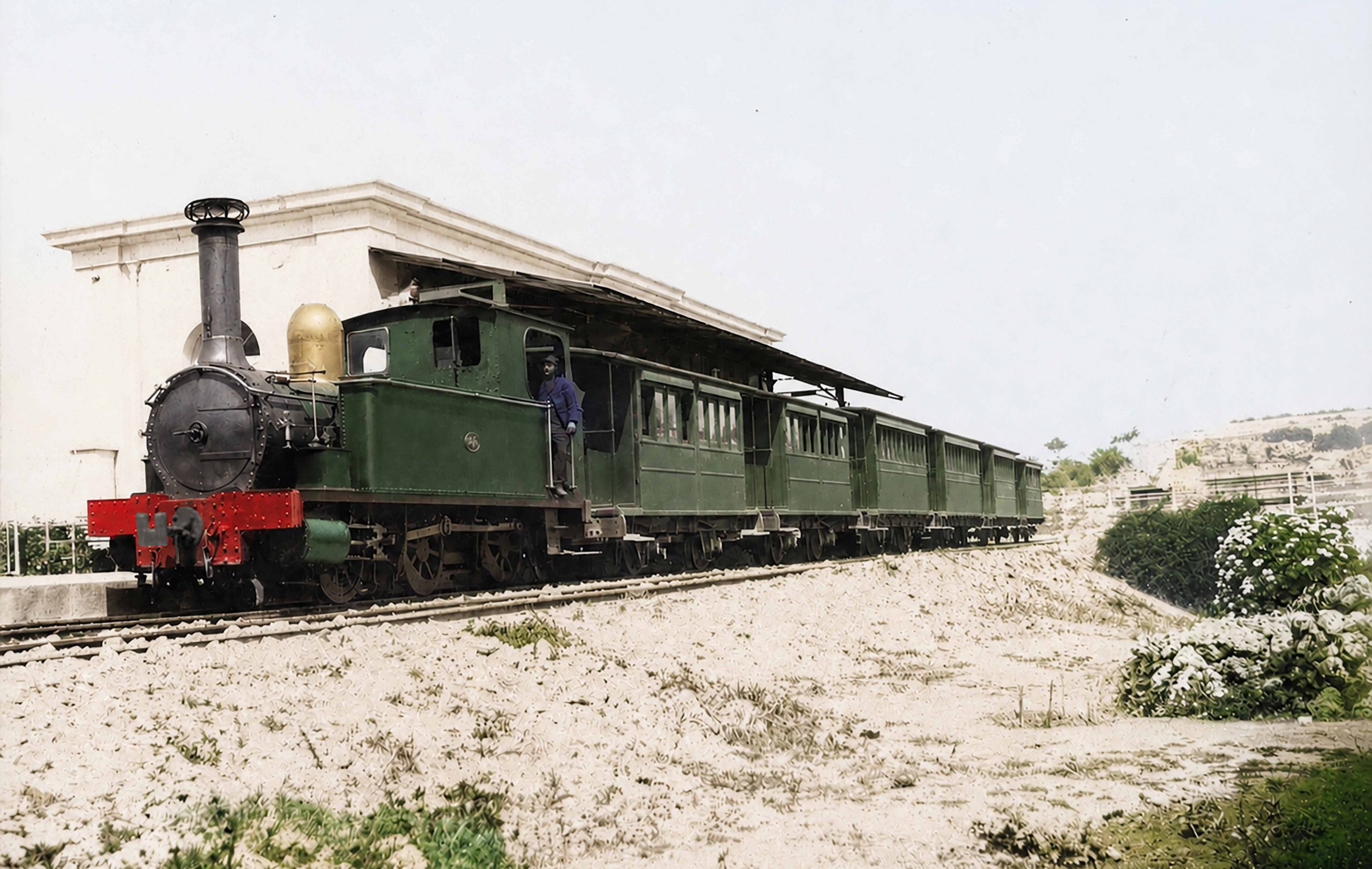
Newly found photo rewrites locomotive’s history
Something of a curve-ball for the history of the Malta Railway has appeared recently on the internet; a new historical photo has emerged of engine[…]
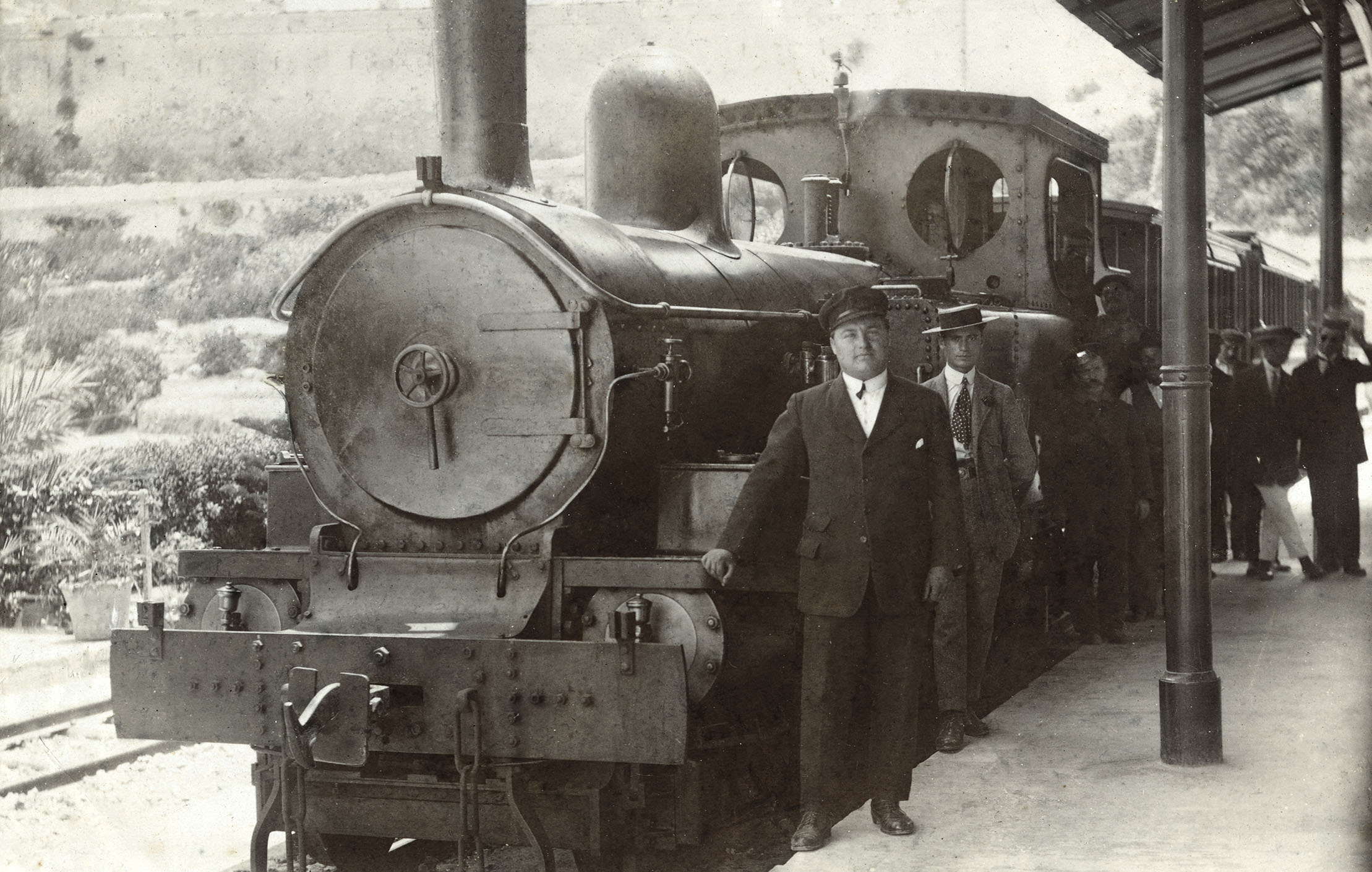
Locomotive survivor?
It’s been recorded, photographed several times, but is it more than it looks? It’s a tall rivetted cylinder at the back of the engineering works[…]

© 2026 The Malta Railway. Created with ❤ using WordPress and Kubio