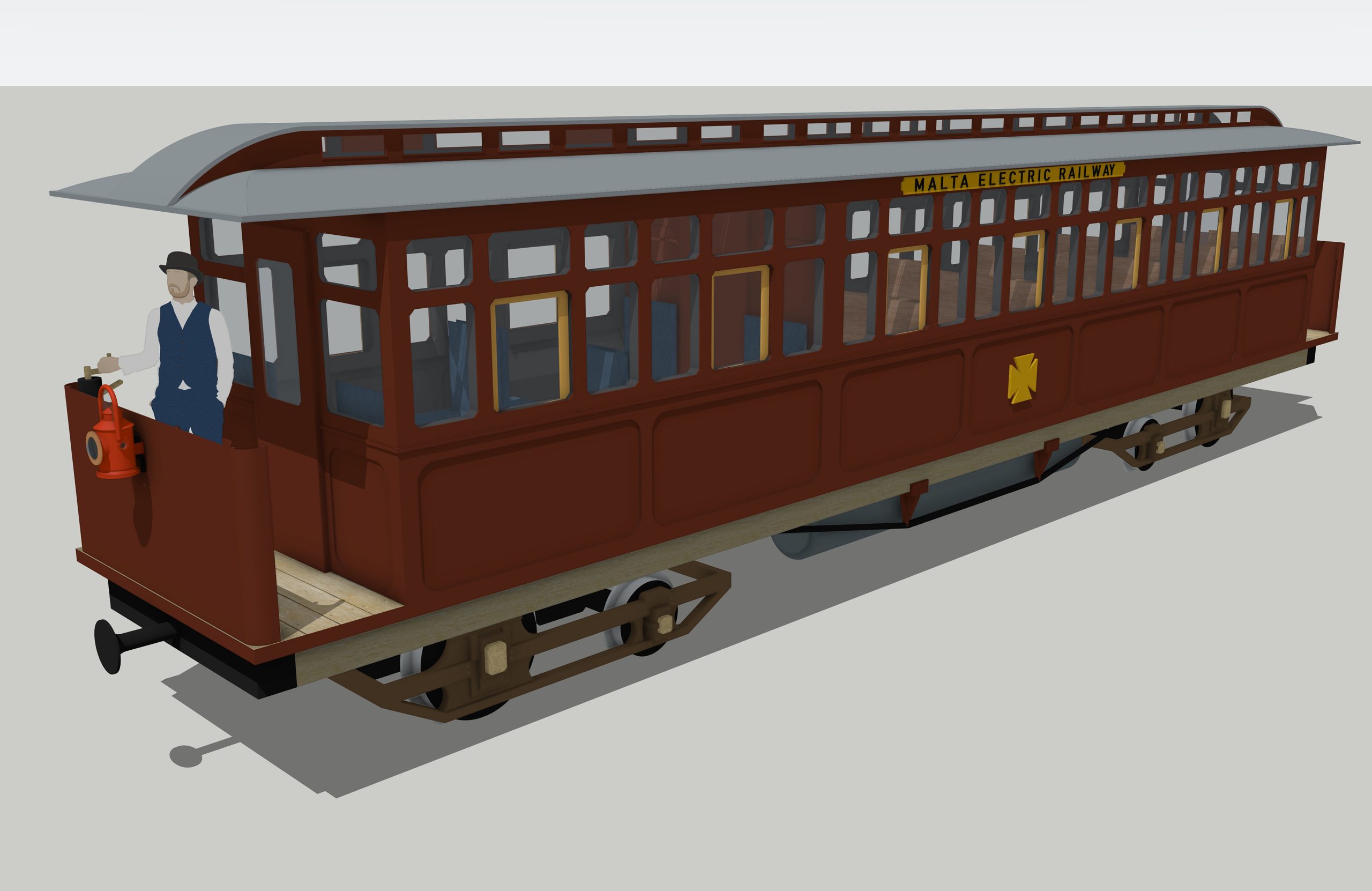
Rifling again through the drawings collections of National Archives of Malta, I returned to a set of plans for the Malta Electric Railway. My attention was first focussed on drawings showing the relationship with the Malta Railway, the “Government Railway”, but then expanded to cover the whole of this mysterious proposal.
There is virtually nothing known about the Electric Railway project. I can find nothing about who its backers were or what happened to the project. It was a scheme to link Valletta and Sliema with a metre-gauge line, significant portions of which was underground. It was clearly modelled on underground railways then being built in London.
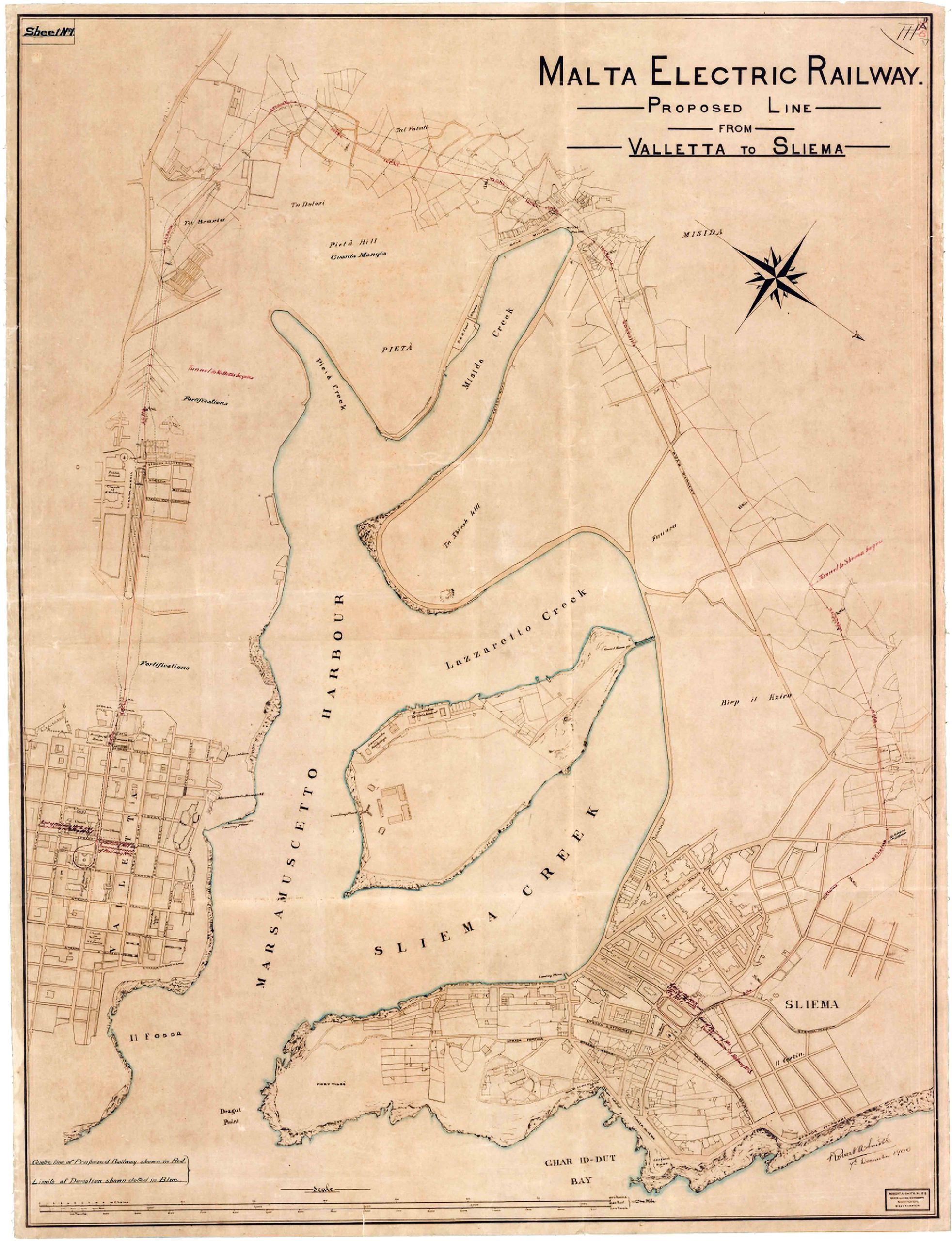
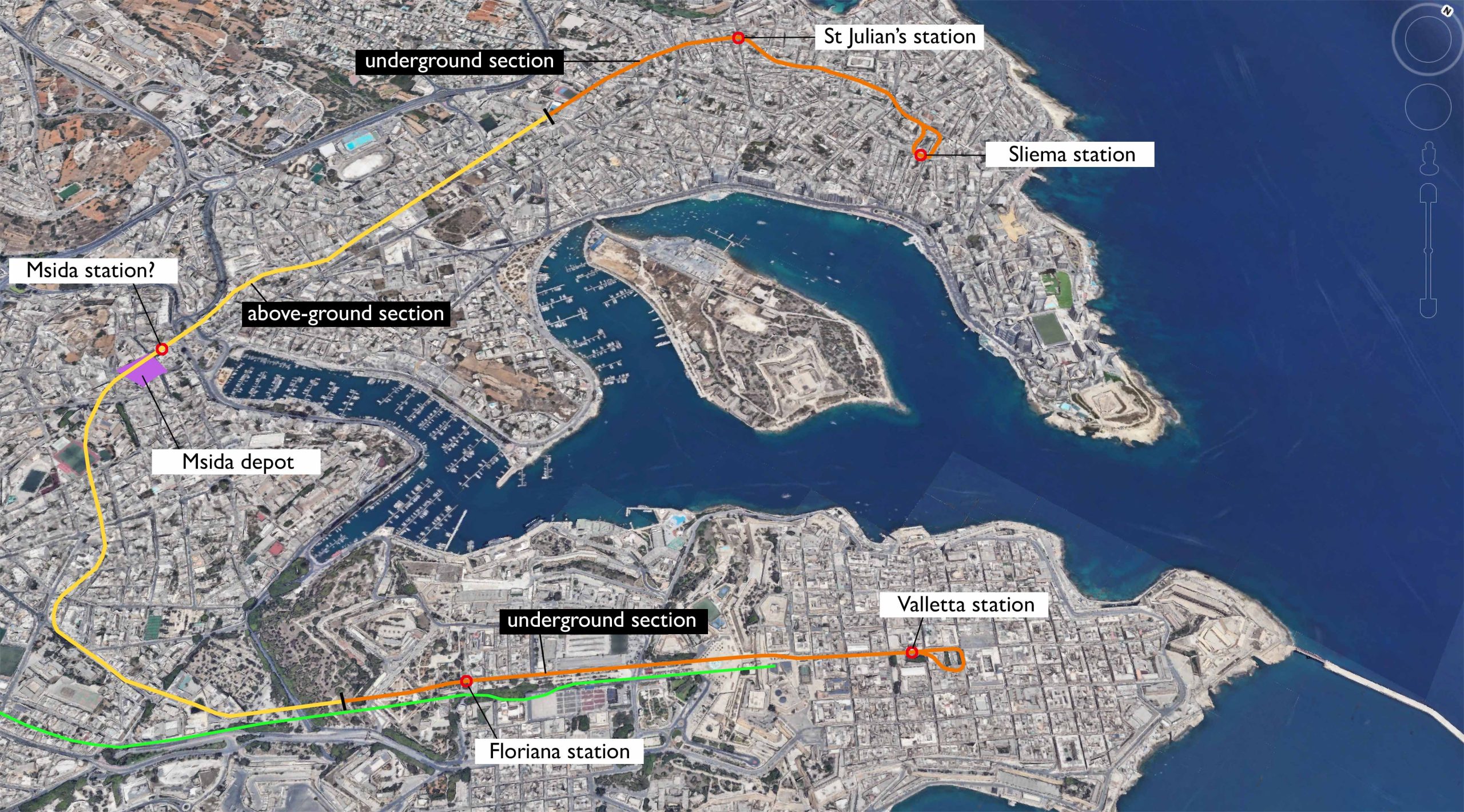
It was cleverly conceived as a massive circular system with double track along its length and continuous loops at either end allowing the carriages to circulate uninterruptedly in the same clockwise direction. There was to be a central station beneath Great Siege Square outside the Law courts. Tunnels would take the line beyond the walls of Floriana where it would cross Princess Melita Avenue parallel with the Malta Railway.
It’s route then swung around through Msida, where a depot was to be built, before burrowing below ground again. An intermediate underground station was to be provided for St Julian’s before the line terminated beneath Annunciation Square in Sliema.
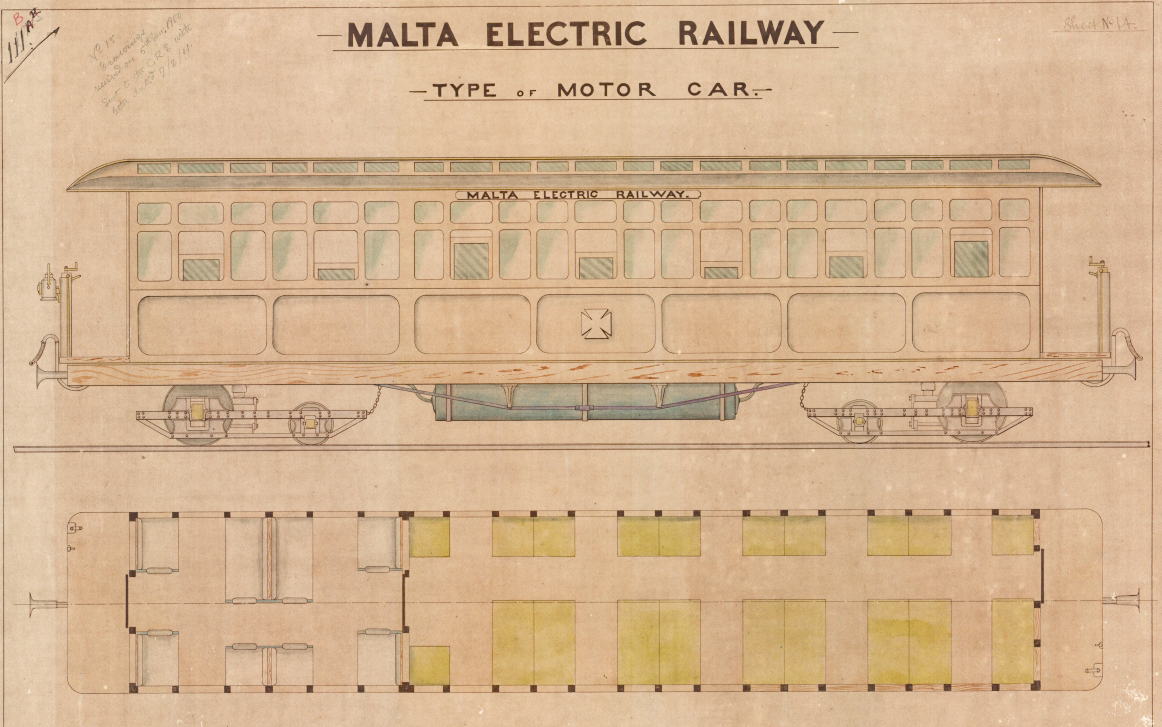
The project was well supported with technical drawings, including those for bridges, tunnels, cuttings and embankments, and a passenger motor carriage. Drawings were produced between December 1900 and June the following year.
It might have been expected that such a project would have found notice in the press, or other professional journals, but nothing. There’s some background chatter about an idea by a Maltese engineer for a trolleybus network, and a more conventional tram system, but nothing about a new underground railway.
The line was to be electrified by a power station at Msida, presumably utilising the same third-rail transmission as used on London Underground at the time.
The engineer was Robert A Smith, based in London. He was a specialist in electric traction and lifts. As engineer to Power and Traction, Ltd., on light railway promotions, and Technical Director of the Easton Lift Co, he certainly had pedigree in exactly the sort of scheme planned for Malta.
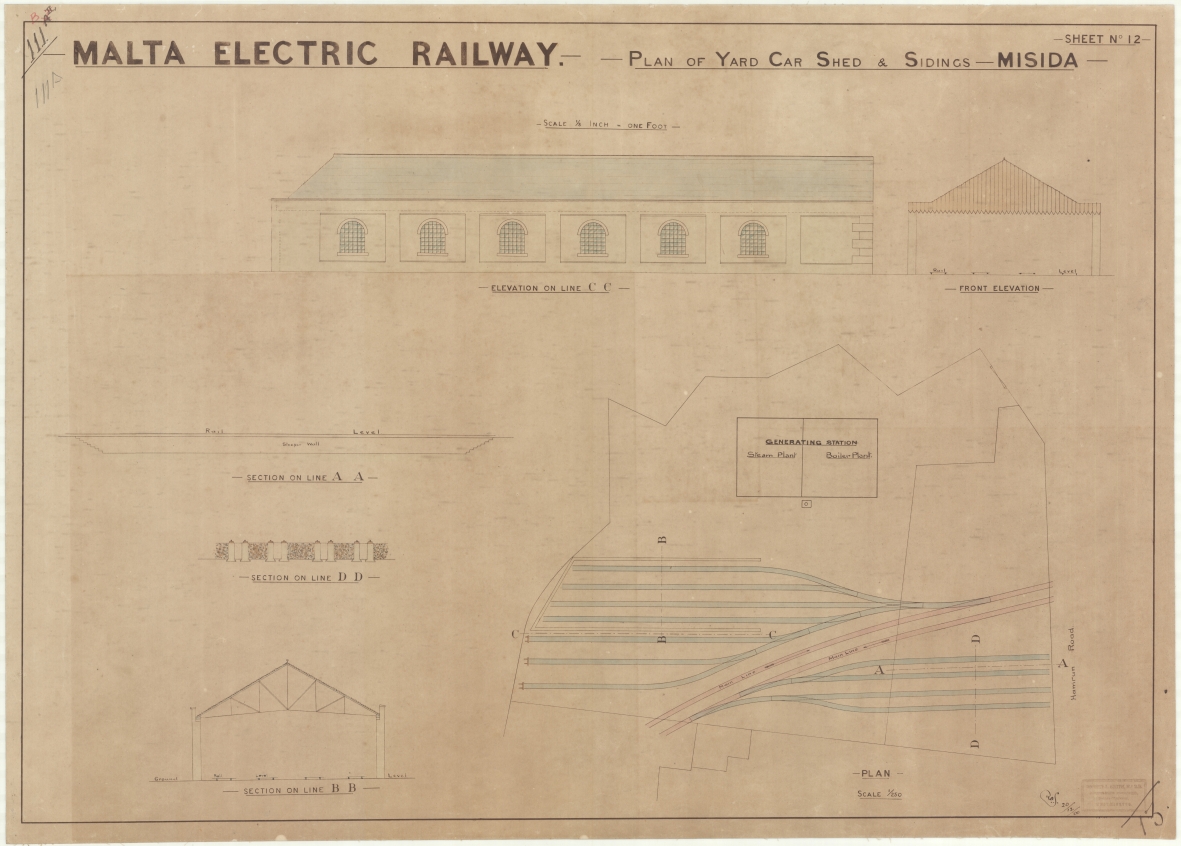
The drawings arrived in the hands of the Government where they eventually entered the archives. It’s not clear whether they were responsible for commissioning the work as part of a feasibility study, or whether a private enterprise submitted them to try and secure a concession. Whatever, the project ultimately went nowhere.
For the most part, the drawings ignore the Government’s railway entirely. Despite using the same gauge of track, there was no proposed rail connection between the two and they were to remain entirely separate concerns. The electric railway would have broached the fortifications adjacent and parallel with the existing railway, but at a deeper level.
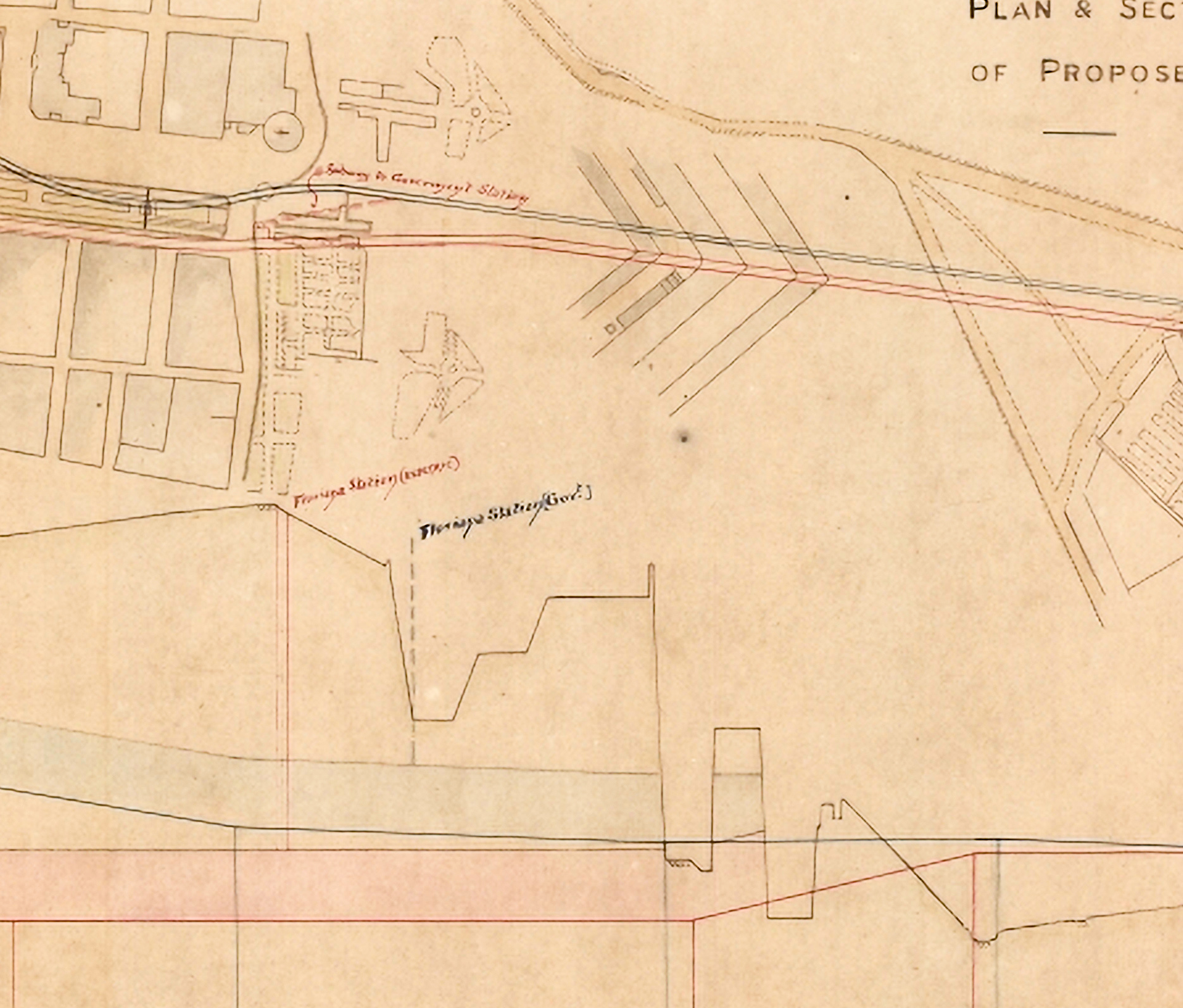
To illustrate that the proposals would not interfere with the Malta Railway, a section and plan drawing was produced that showed the routes and tunnel gradients of both lines.
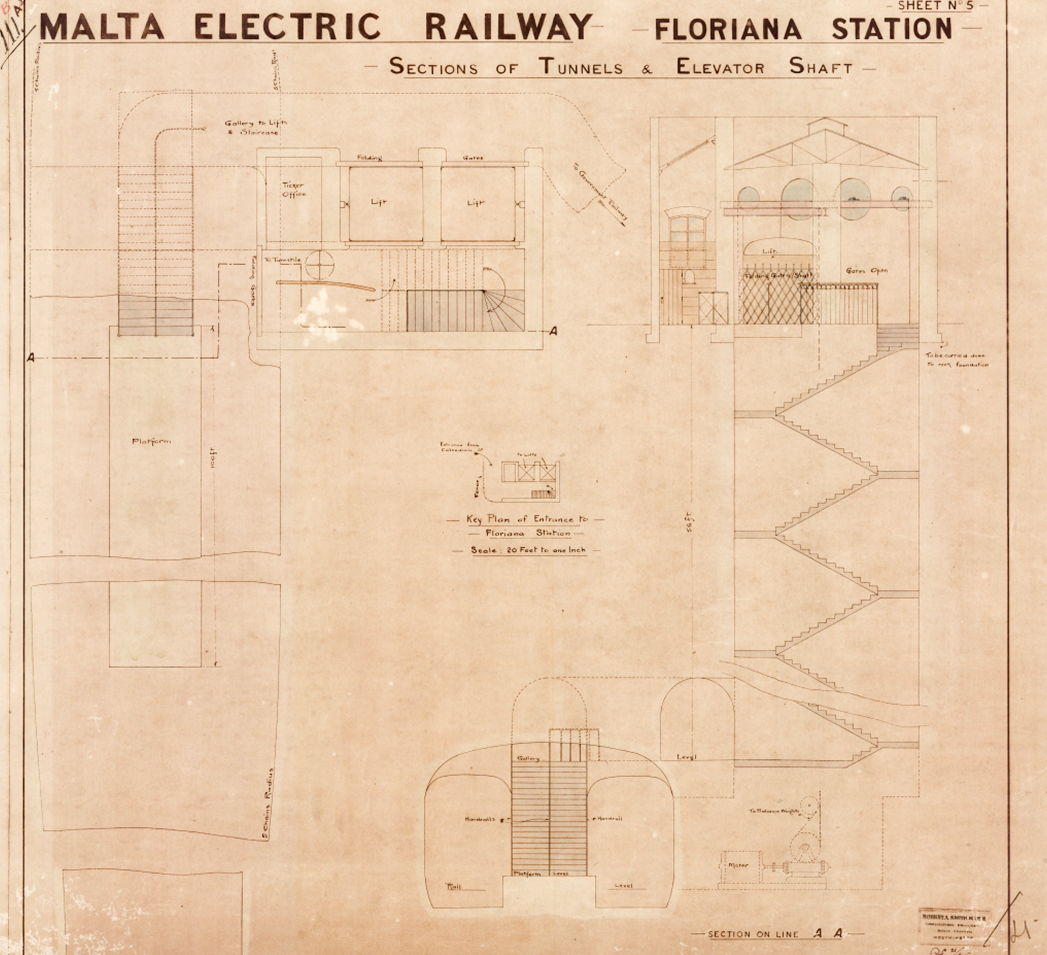
Despite the Electric Railway never getting off the ground, the drawings provide interesting detail about the location of the Malta Railway’s Floriana station at this time. The new line was to have its own underground station at the entrance to the Argotti Gardens. Lifts accessed this from the surface and, integrated into the design of the subterranean passages, was a connecting tunnel leading to the site of the Malta Railway’s Floriana station. As drawn on plan and indicated on the accompanying section, Floriana station is shown in the ditch below St Philips Curtain, and not in the original fully-underground location closer to Sarria church. This is helpful evidence supporting the regular use of the second station site by 1900 and supporting the propositions made as part of our earlier research into the evolution of this enigmatic station.
Had the underground railway been implemented and survived, it could have been the foundation for a modern light railway system for the Island. We will only ever be able to speculate on this notion.

No responses yet