VALLETTA
Seen by thousands, noticed by few
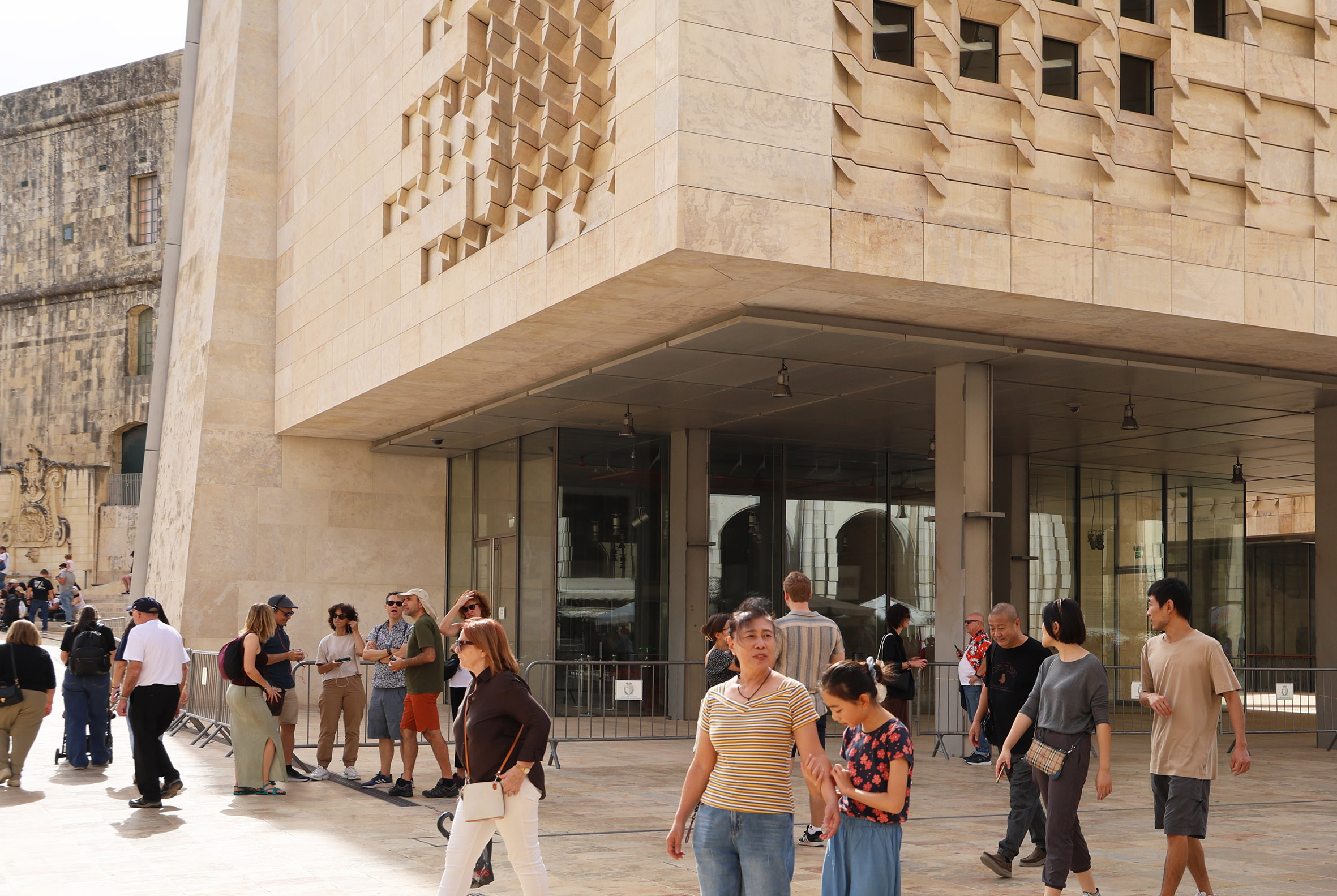
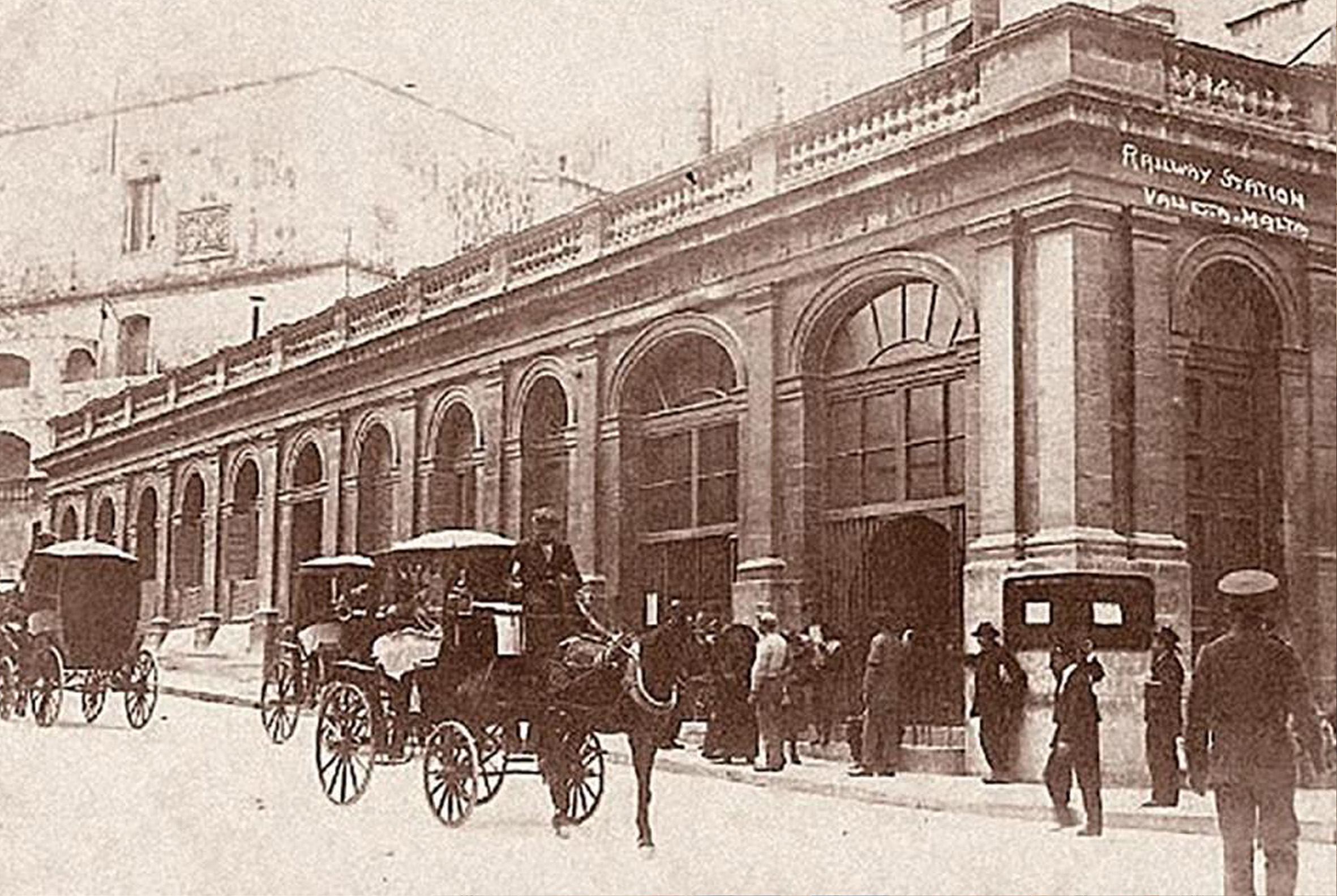
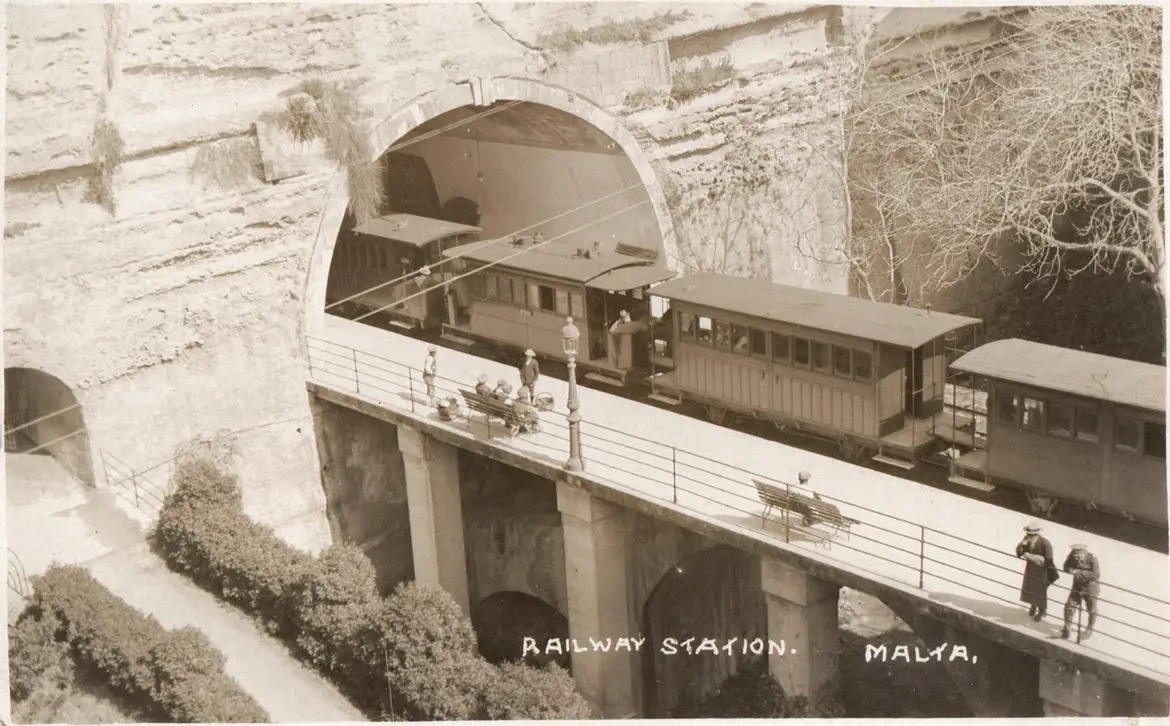
Valletta’s terminus station is a tale of two halves. The landmark building built opposite the Royal Opera House survived the Blitz, but succumbed to urban renewal in the late 1960s. After decades as Freedom square, the site was again redeveloped by architect Renzo Piano for the new Maltese Parliament building.
Lining up a before-and-after view of the site reveals the relationship of the new building with the long-lost Victorian station, the angle and location of St Jame’s Caviller standing immovable between the views.
Whatever people’s feelings about the new building and the city gateway project, it has brought about significant restoration of some of the stations other features. The underground portions of the station survive, though it’s difficult to tell in what condition.
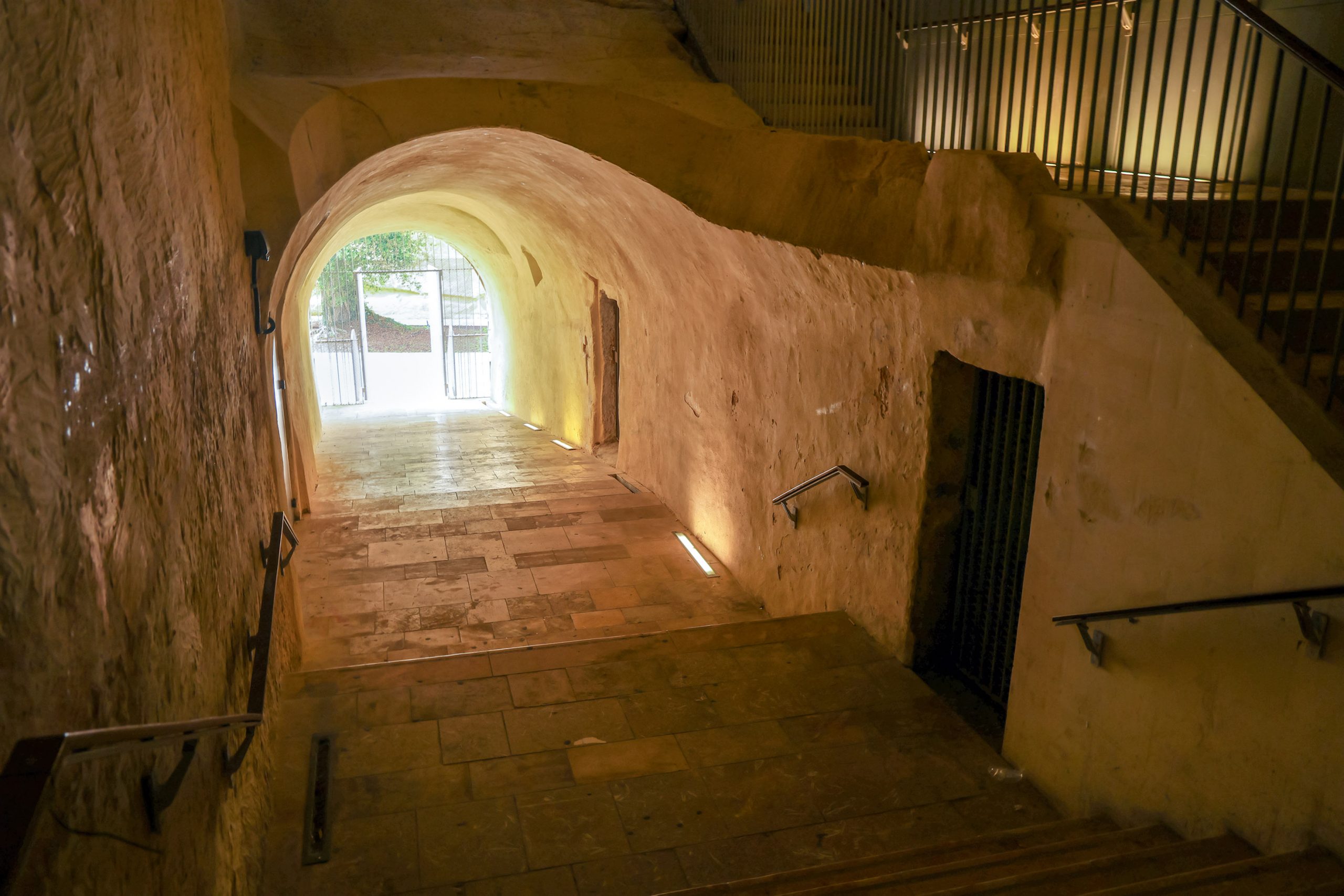
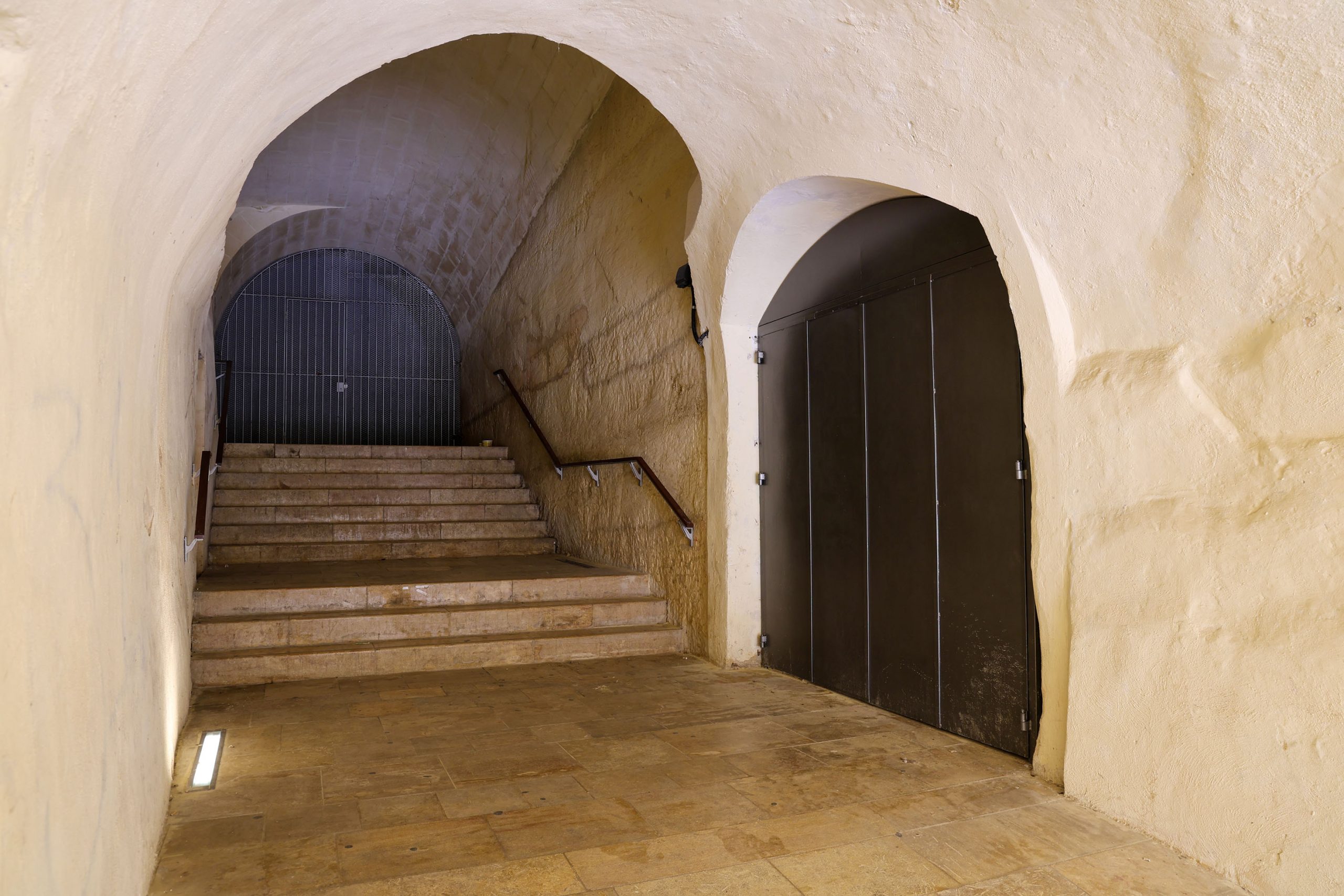
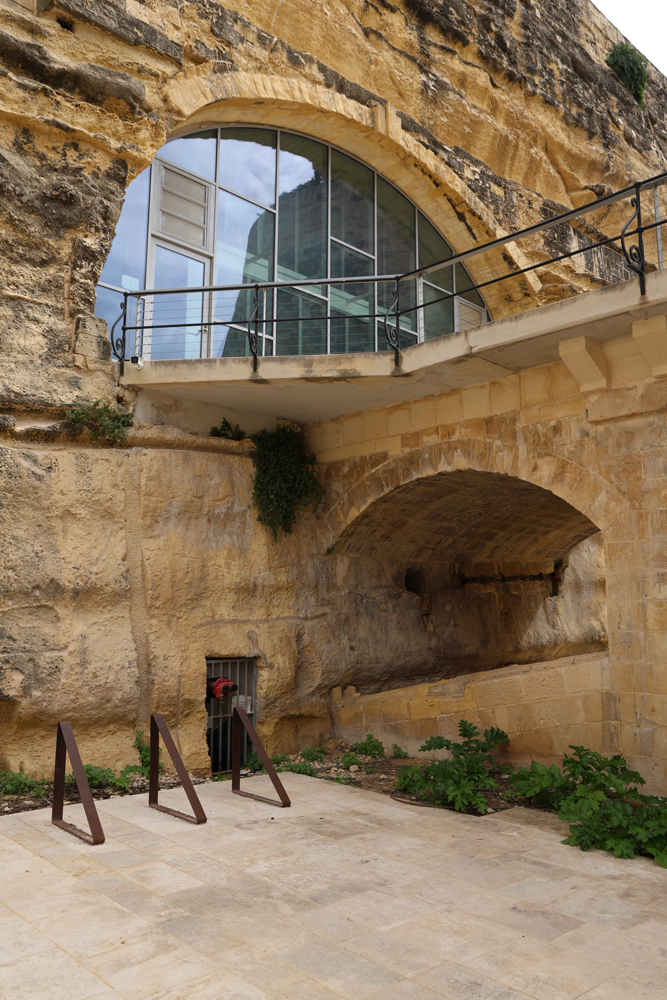
The Yellow garage that occupied the tunnel for years was moved out and the space stripped back to its original form revealing a lot of previously obscured details.
A new glazed screen was installed at the station mouth in about 2018, not part of Renzo Piano’s design that maintained a more open appearance, and the whole is used for Committee Room, Parliamentary records Archive and a Reference Library.
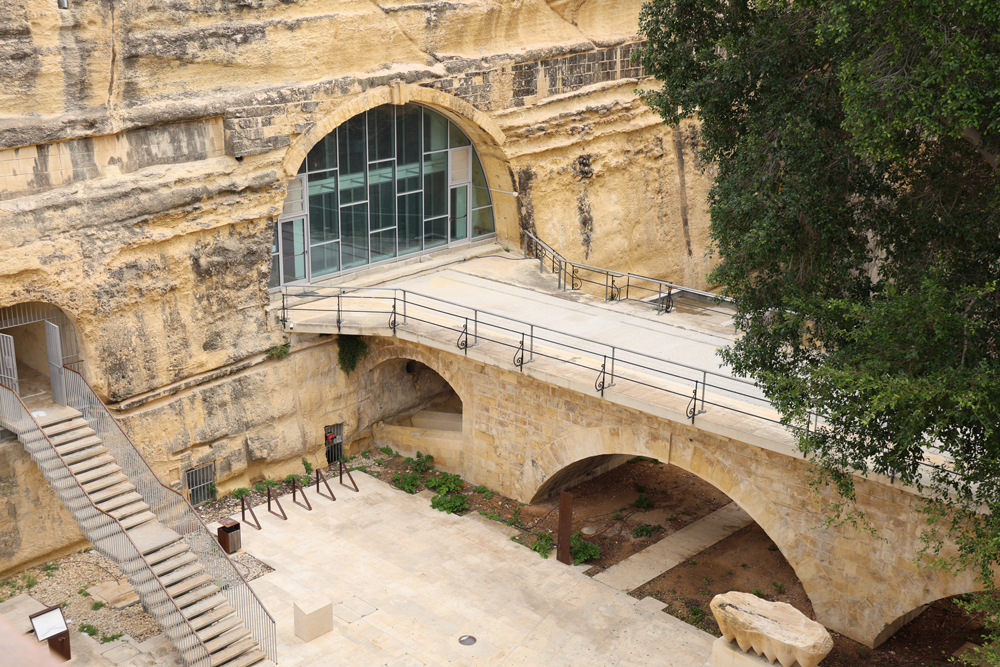
Of the ramps that led to the station platform, one truncated section survives with new stairs dug down to access it and new steps into the ditch.
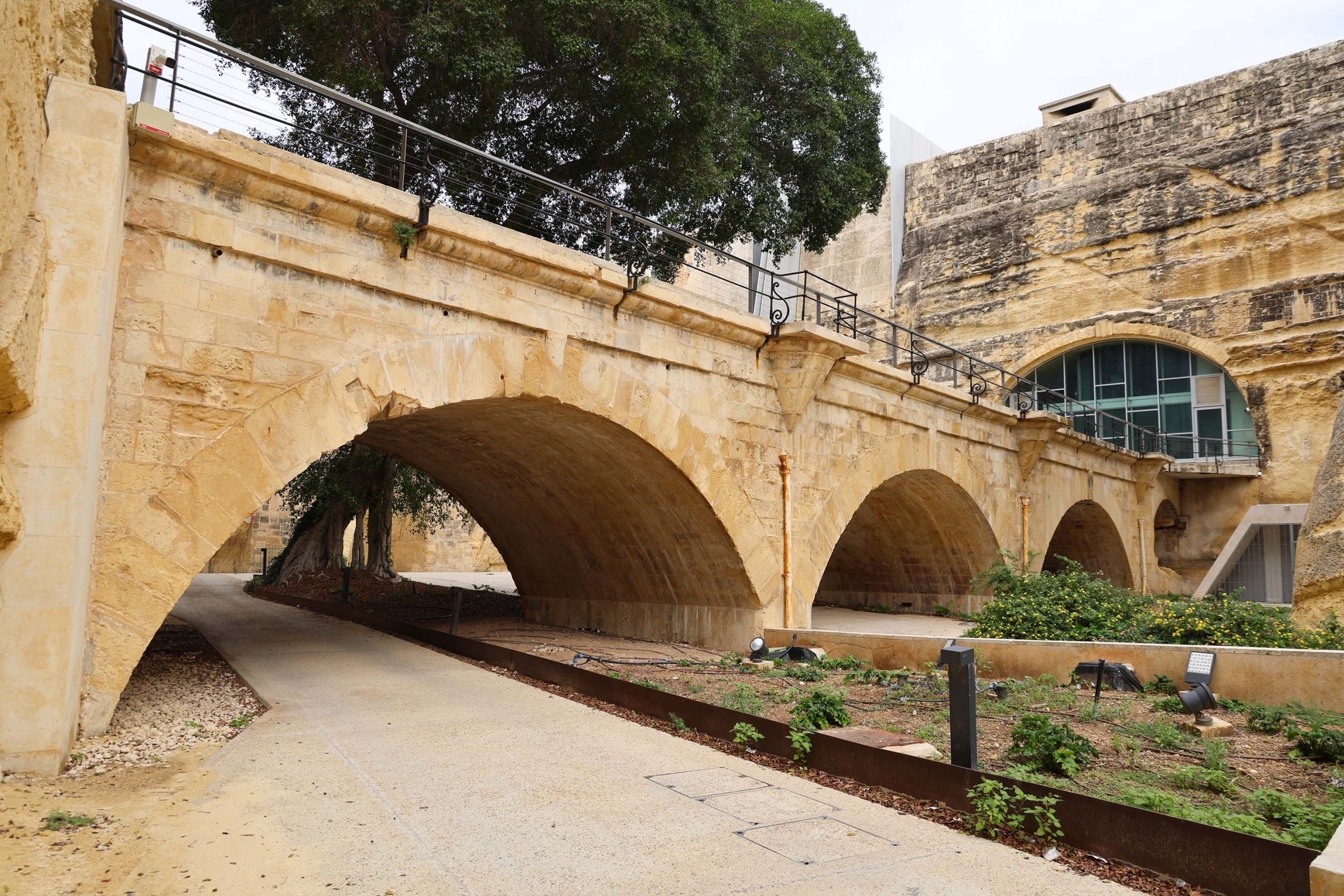
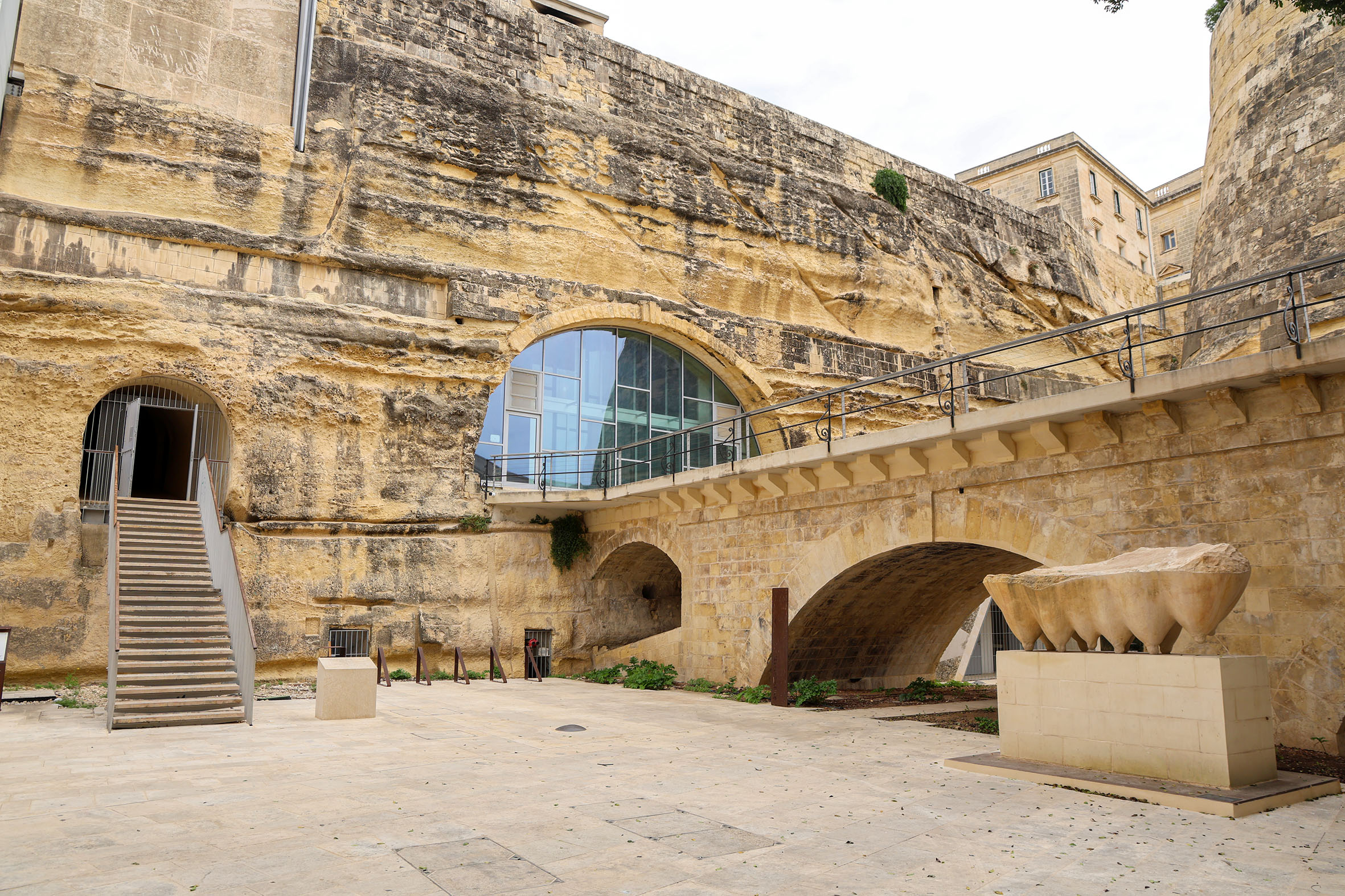
A more considered restoration has been made of the stone viaduct spanning the main ditch. Although this removed much of the post-railway ramps and revealed the 1892 structure, it stripped out the historic platform extension supported on piers on the north side of the bridge. At least the best of the fabric has been renovated.
The south side of the bridge is best preserved, including the projecting refuge areas intended to give some protection to railway employees as trains passed.
Also protected is the archaeological evidence in the east end of the bridge – the buttresses, beam sockets and stonework scars that helps unravel the phasing of a lost timber section incorporated for defensive purposes before becoming obsolete.
Now part of a public promenade, the ground levels of the ditch have incrementally risen several times. The new pedestrian concourse allows the railway enthusiast the opportunity to explore the bridge closely.
The Floriana tunnel mouth is infilled with a lightweight steel and timber structure. To the north side of it is the open arch of a former reservoir added to service locomotives by means of a gravity feed.
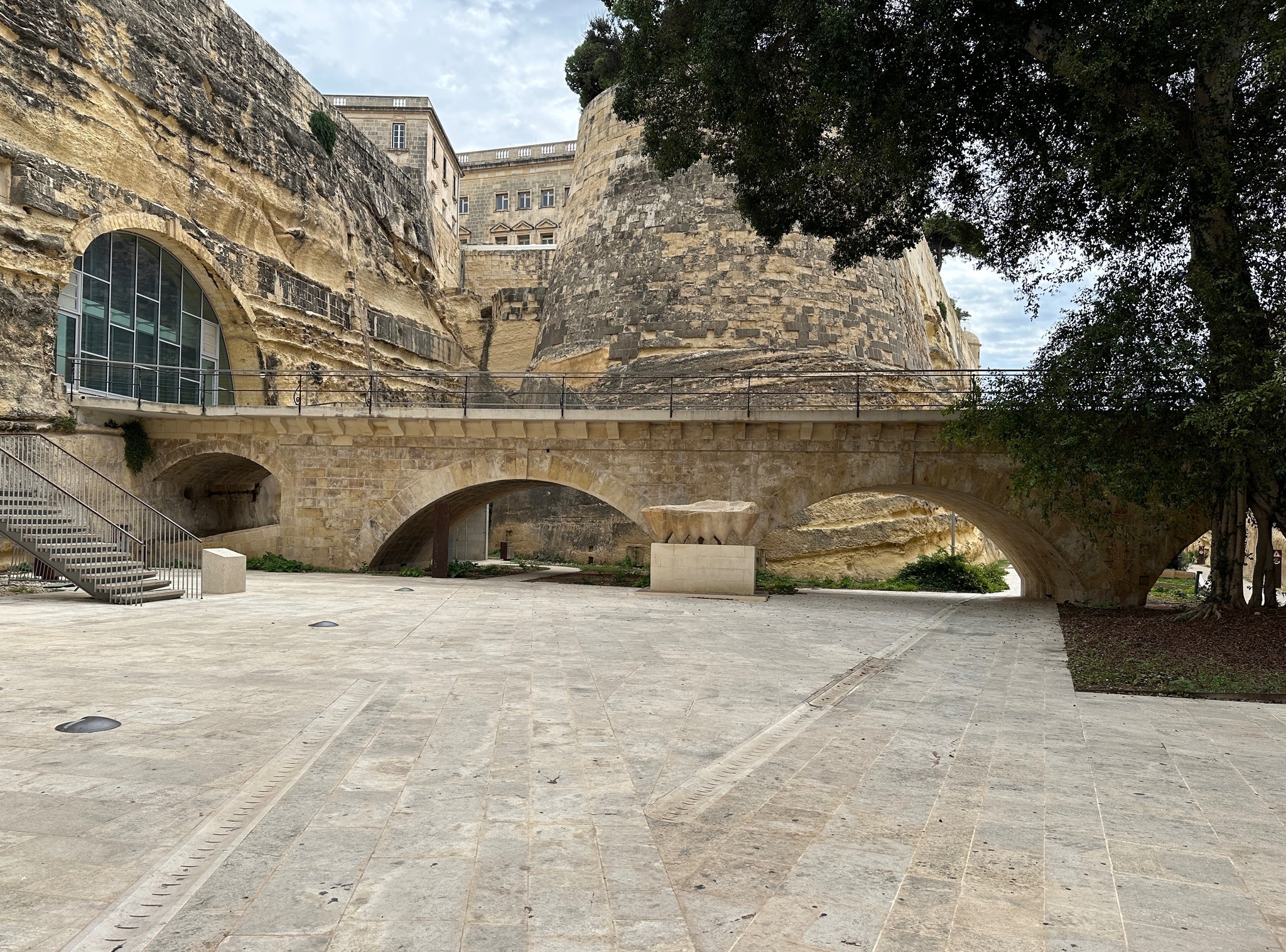
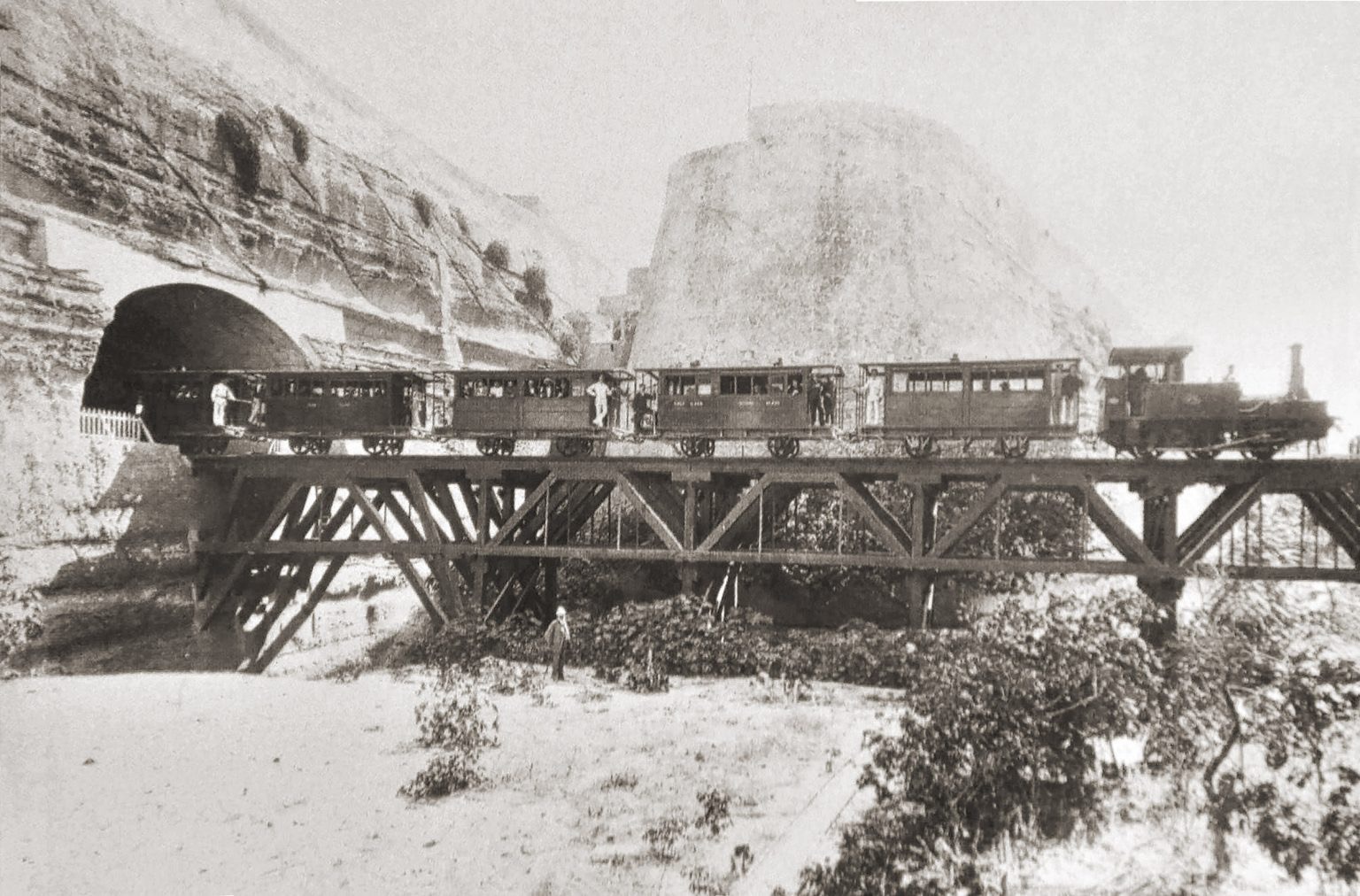
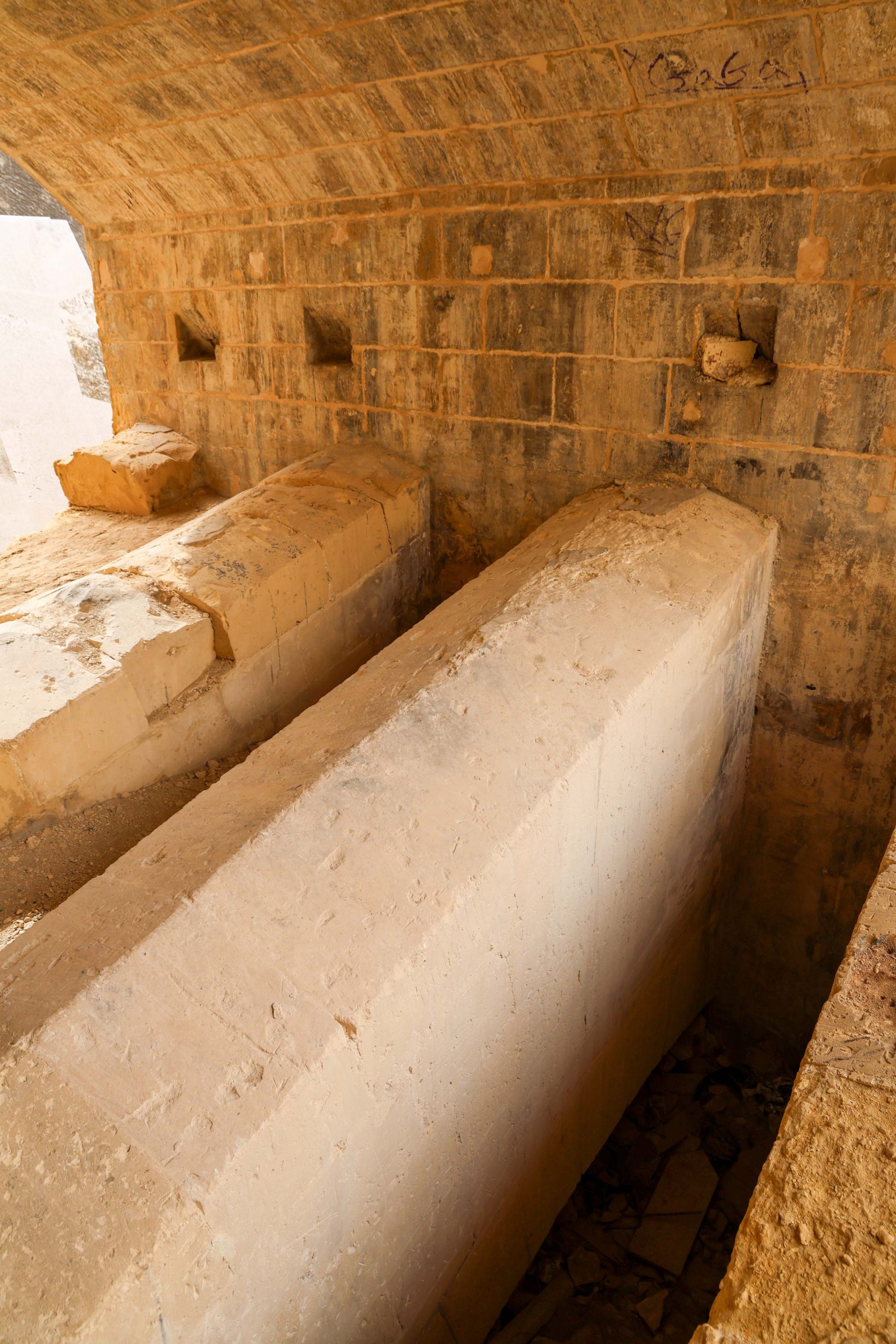
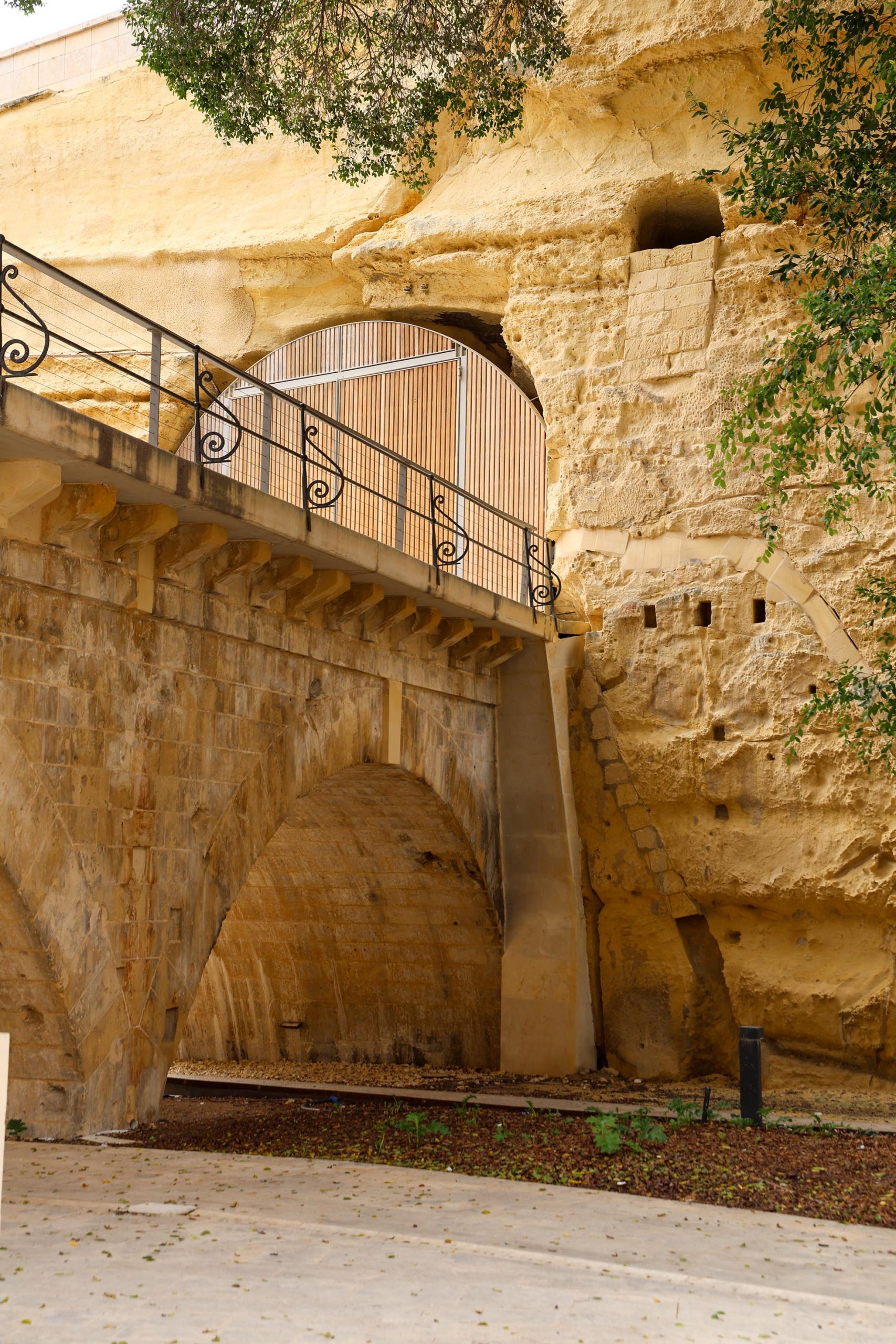
Beneath it, scars survive to tell the history of the platform extension that once projected along one whole side of the bridge. Perhaps this was an unsightly addition, but it’s sad that all elements of the station’s evolution weren’t held in the same regard.
Sadly, access onto the bridge itself is controlled through Parliament so experiencing the station complex from its intended level is impossible. We can at least look down on the viaduct from the main entrance to the city and imagine the trains and passengers busily coming and going below us.
Tunnel traces
Used still for services, the Floriana tunnel remains largely complete despite some awkward incisions made into it by modern structures and foundations. It is not publicly accessible outside of special permissions being sought. Happily, it’s route can still be traced at the surface.
The majority of the original ventilation shafts survive, recognisable today by the robust iron grilles now in place at pavement level. These can be used to track the route intermittently through Biscuttini gardens and across Great Siege Road, before becoming a more reliable rhythm commences along the norther edge of the granaries in front of St Publius church.
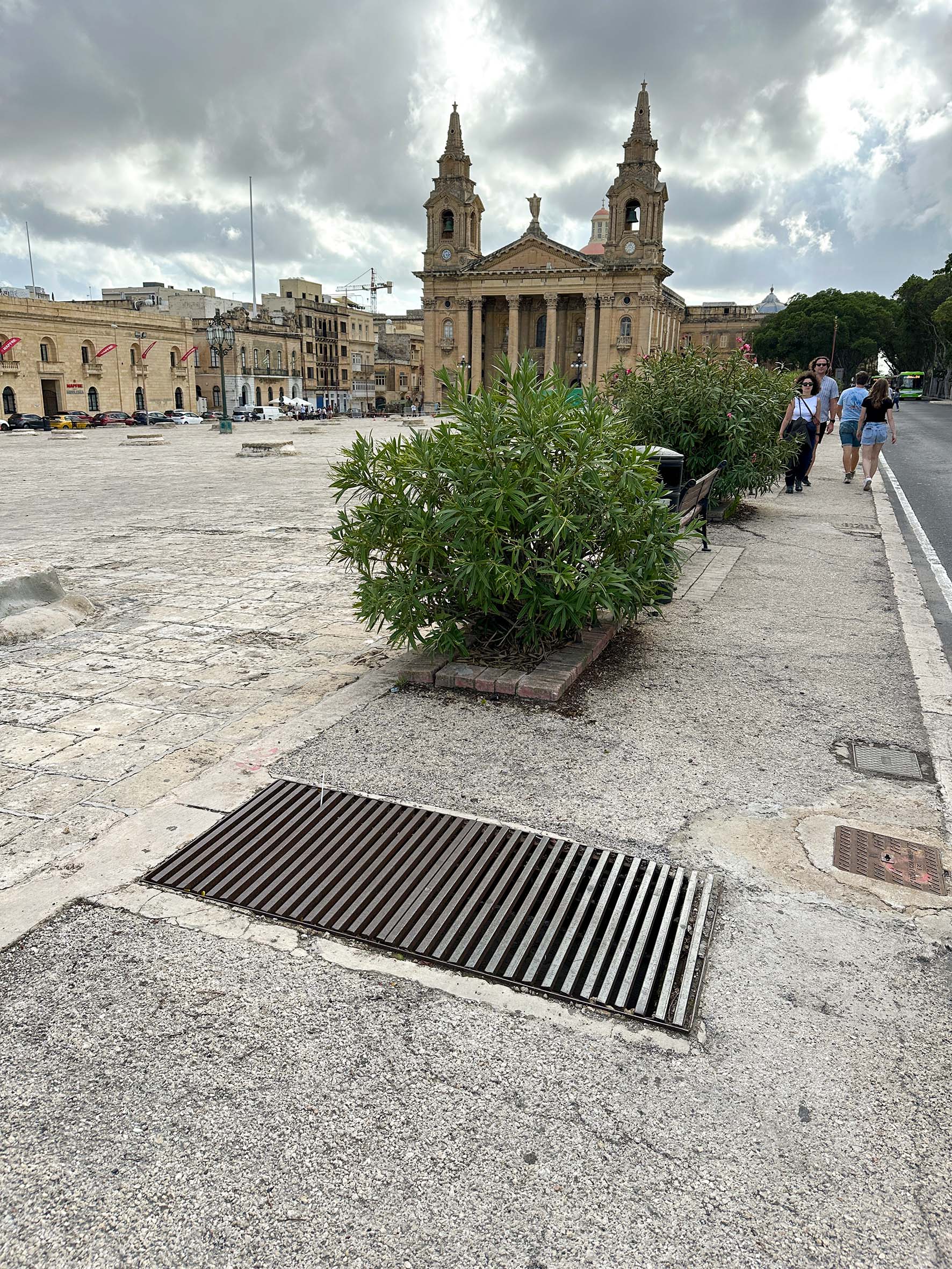
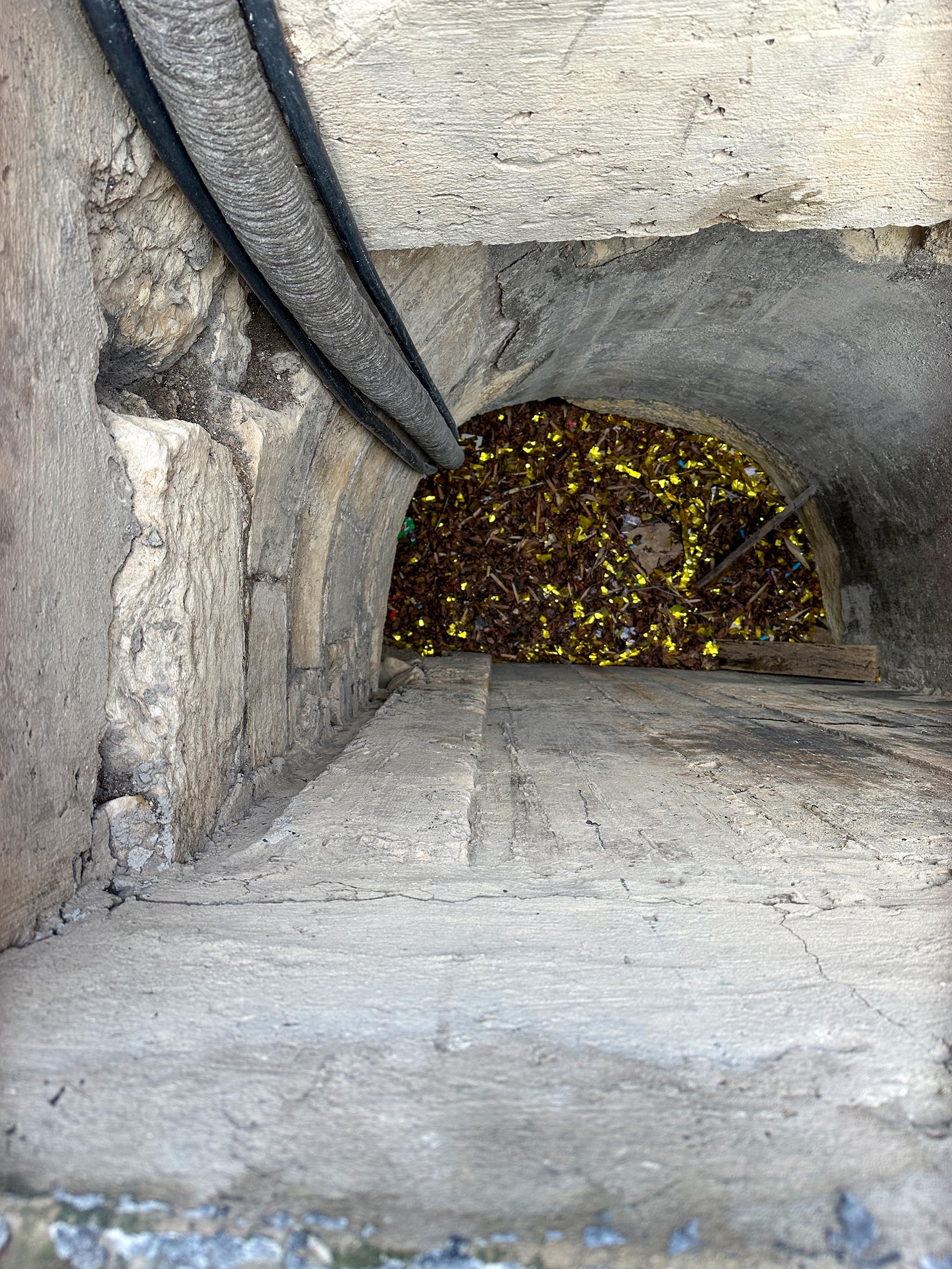
Although mostly blocked before they reach the tunnel, you can still look down through some of these grilles and see the original circular shafts dug down into the bedrock; Through these same shafts the excavated spoil was laboriously hauled back to the surface during construction.
The alignment then swings northward and grilles can be located in the Maglio Gardens before the site of Floriana station is reached.
Next station
