FLORIANA
0 miles, 38 chains – Journey time 3 mins
A second underground station
One of the most enigmatic stations on the Malta Railway was Floriana. In it’s first iteration it was largely underground, having just a small unprepossessing and largely hidden building at surface level. It may have opened with the line in 1883 but seems to have been something of an afterthought. It didn’t appear on engineering drawings until June 1882 by which time work on the line was well advanced.
It’s not even certain that it was completed for use by the original railway company at all. Apart from a single briefest of mentions as a footnote in a published opening timetable, there’s no other confirmation that the station officially opened or was even fully completed.
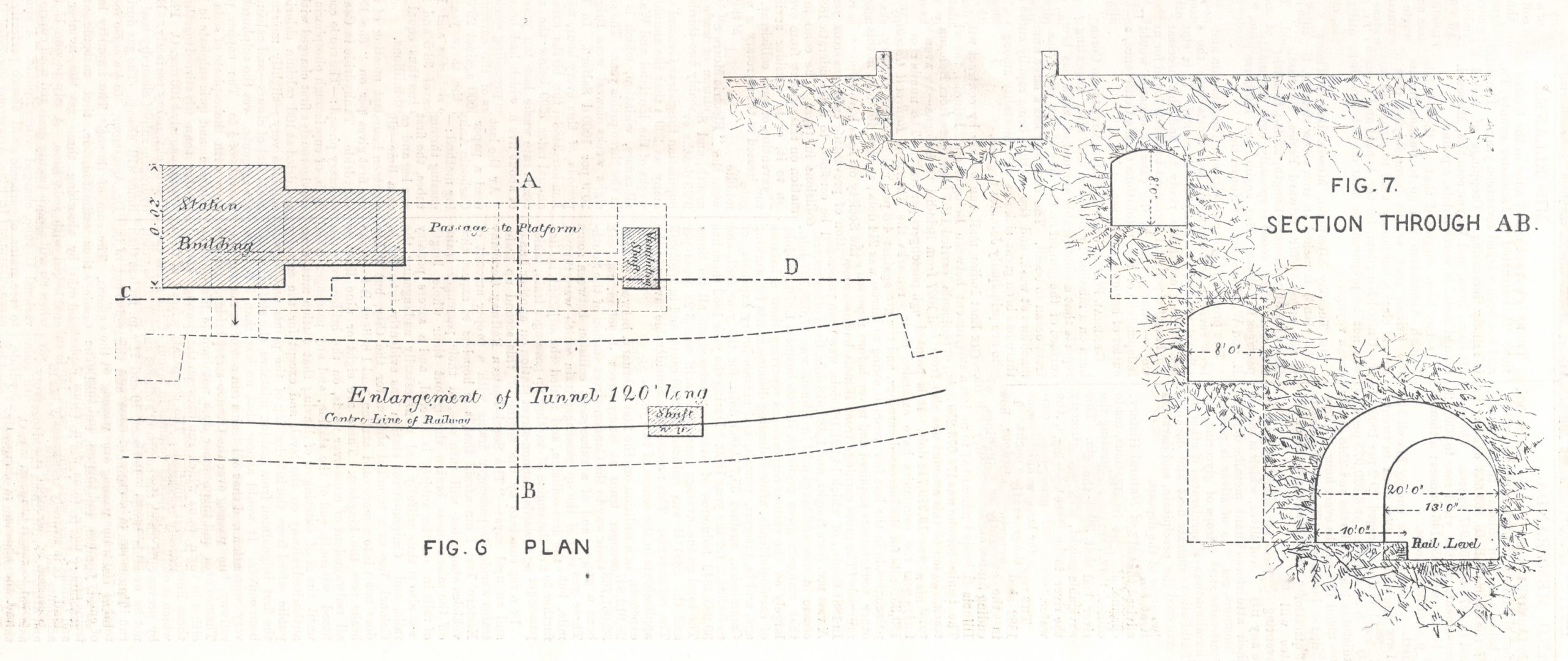
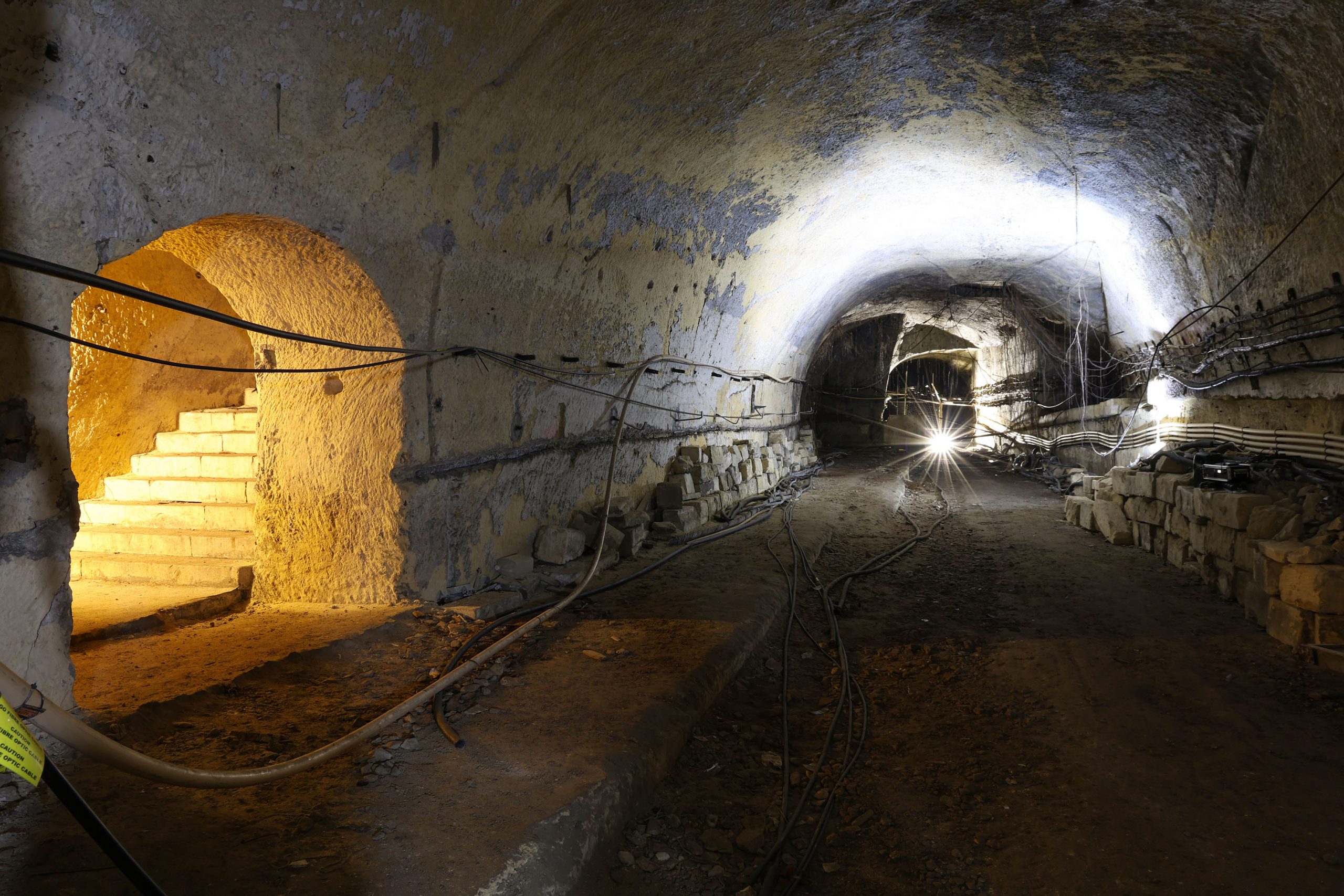
Like Valletta, at track level the station consisted of an enlarged and widened section of tunnel, 120 feet long, linked to the surface by steps cut through the rock. The siting of the station coincided with the bottom of a steep gradient down from Valletta and at the end of a wide bend. For this it was unpopular with drivers, and passengers disliked the cramped dark conditions of the platforms. Smoke would have filled the confines of the short platform and would have been reason enough for it to been abandoned.
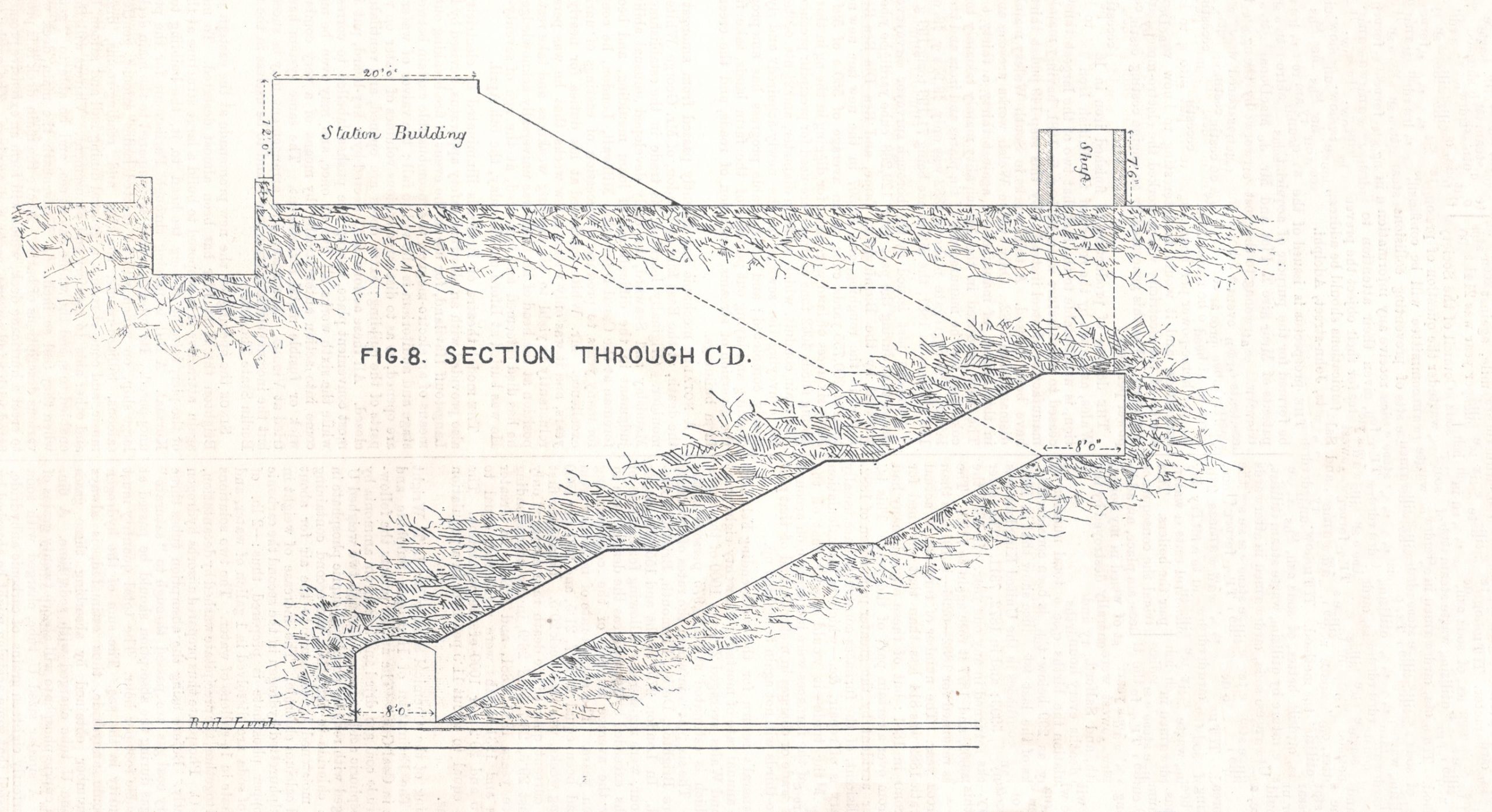
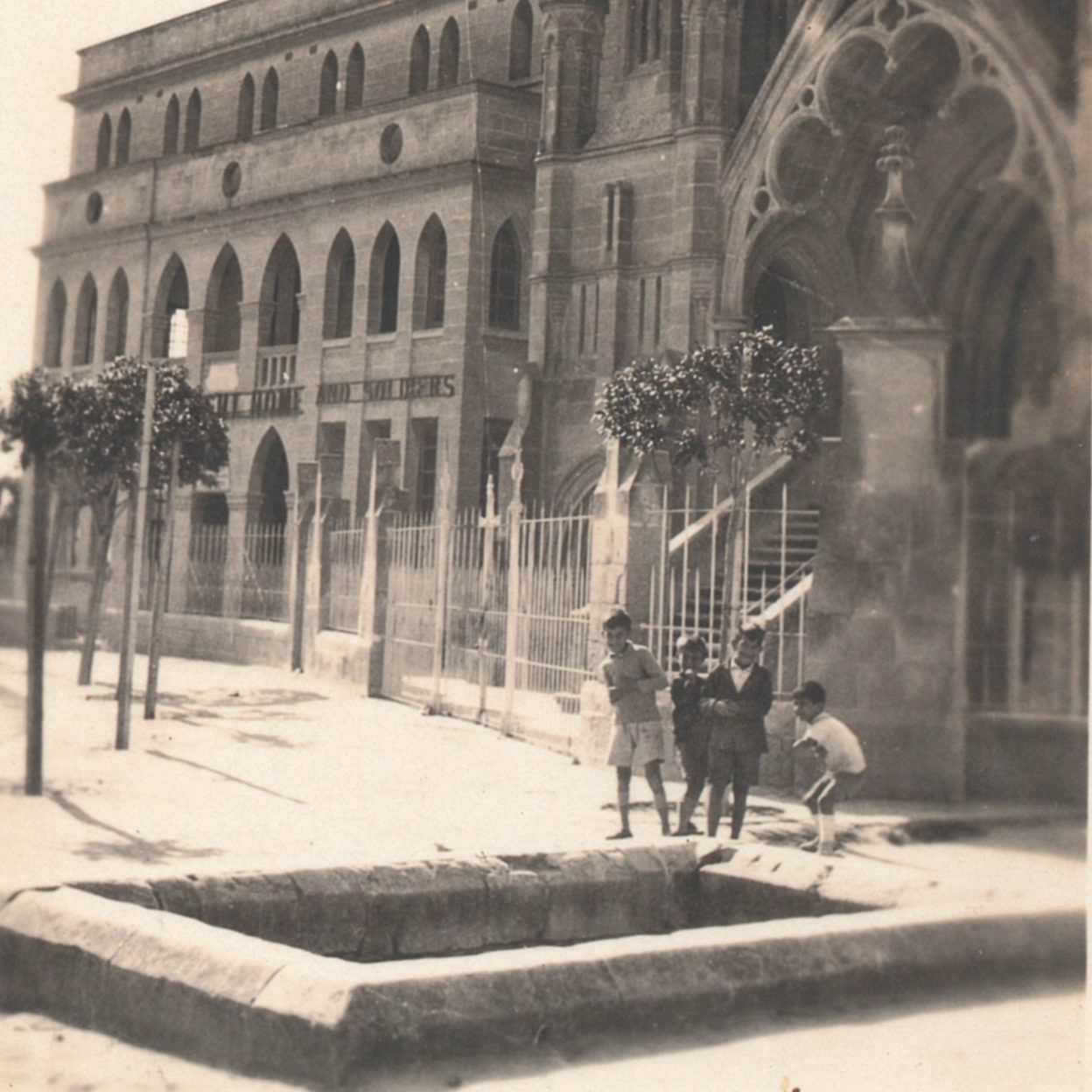
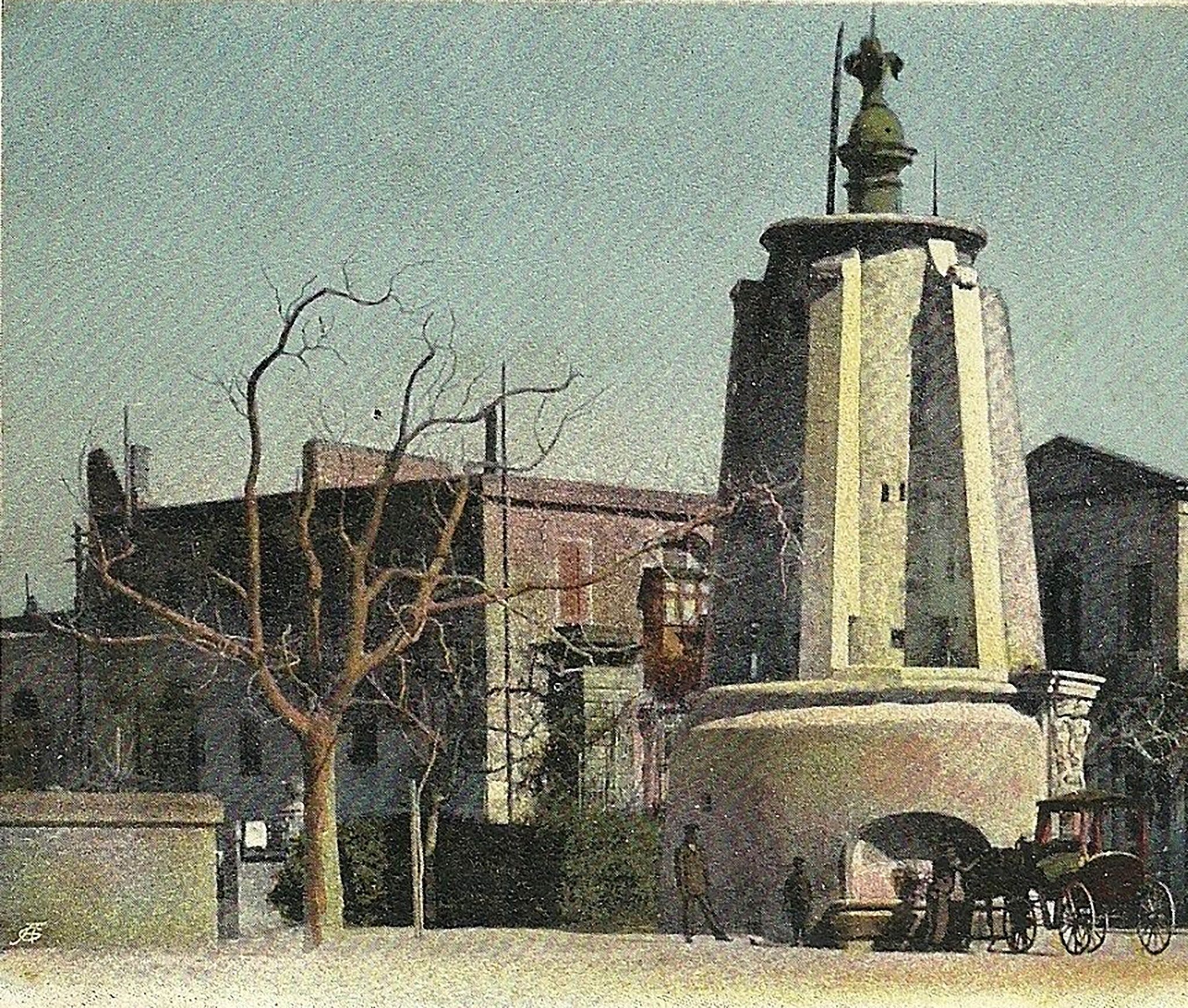
At street level the station building was sandwiched between the Argotti Gardens and newly-planned Wesleyan Methodist church close to the Wignacourt Water Tower. The station building was a low squat unembellished stone structure that might easily be mistaken as a public convenience or storeroom. Tucked behind the ornate Methodist church, views of it were largely obscured from the street and further impeded by two tall stone structures that walled-in the station’s ventilation shafts; these were later reduced in height.
The reconstruction of the station was high on the list of proposed improvements on take-over of the railway by Government. In 1893 proposals were drawn up by Railway Manager Lorenzo Gatt recommending “three or four large openings, like the one outside Porta Reale, should be made in the length of the tunnel: one to be excavated near the Wesleyan church in Floriana, with flights of steps or ramps at its sides, to be used as a station for that town.” Against this the sum of £550 was allocated.
The following year Gerald Strickland, Chief Secretary of Malta, reassured a complainant that the Government were considering an “alternative site for the station after consulting the military authorities, the present one near the Wesleyan church being incommodious and dark”.
Substantial works were implemented with significant investment made in digging down through the Floriana Lines to platform level cutting and creating a ramped access. Whilst it’s unclear when the station opened, the island’s Govenor reported that “a new station was cut in the rock at Floriana”, but didn’t provide dates for when that had happened.
Visiting the site today you can see the cutting made along the outer edge of St Philip’s curtain wall and the dog-leg ramp that leads down to platform level with steel supports and an ornamental balustrade. This is still accessed off the historic ramp through the fortifications, its entrance close to the old station building.
At track level this new work included the widening-out of the tunnel over a length of just 50 feet but on the opposite side of the track and entirely separated from the original station by about 90 feet of narrow tunnel. The southern side of the tunnel was scalloped out by 2ft; this and a 3ft platform projecting out towards the track allowed for an overall platform length of 225ft.
A more detailed appraisal of the stations at Floriana can be found here.
Floriana’s official stations were often eschewed in favour of boarding at guard hut No.1, located where the tunnel finally gave out into the open air at Notre Dame ditch near Portes des Bombes. Not every train stopped at Floriana, particularly at off-peak hours. At other times it was a request stop only.
It was the scene of numerous accidents and at least two fatalities. The latter were in virtually identical circumstances, an apprentice from the technical school in Hamrun sought to take a shortcut and jump to the platform from a moving train not scheduled to stop there. They were dreadfully crushed between carriages and the tunnel wall.
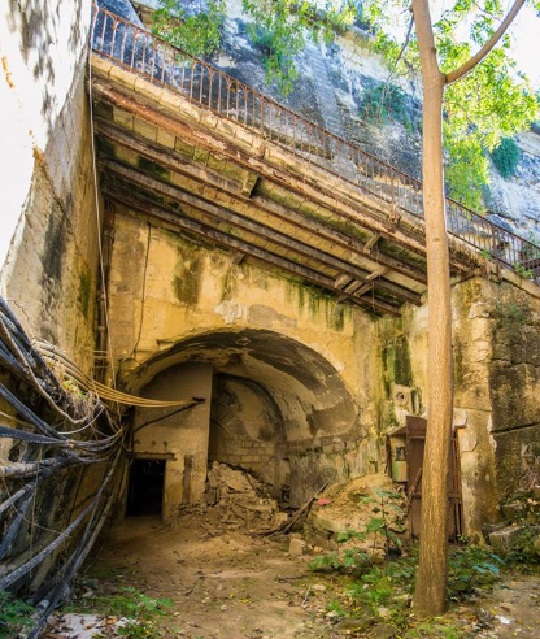
The originally planned underground station survives to a remarkable degree. After closure the tunnel was utilised to route services below Floriana and Telemalta occupied sections of it for an exchange. Today, the platform and vault remain largely untouched and abandoned, the access steps down from the street having recently been revealed again by restoration work. Above, the plain looking station building has been extended but survives with the original doors into the tiny booking hall surviving.
The Malta Railway Foundation opens the complex to visitors on occasion, usually every October, when large crowds come to listen to tours and experience this most unusual station.
Porte de Bombes
Guard Hut No.1
In addition to the timetabled stations, trains would stop on request at odd locations along the line, a practice discouraged by railway management. These halts sometimes enjoyed regular custom and became semi-official; The Notre Dame ditch, at the point where the Floriana tunnel eventually broke into daylight through St Philips Bastion, was one of these. It was already in common use by 1894 when complaints were received by Government that passengers had to resort to boarding here at Porte de Bombes because of the inhospitable nature of Floriana’s underground station. It may be that the old station had long-closed, or perhaps never been completed for use, forcing Floriana residents to seek alternatives. The roadway that ran through the ditch, and the level crossing and manned guard hut there made it a convenient stopping point for many.
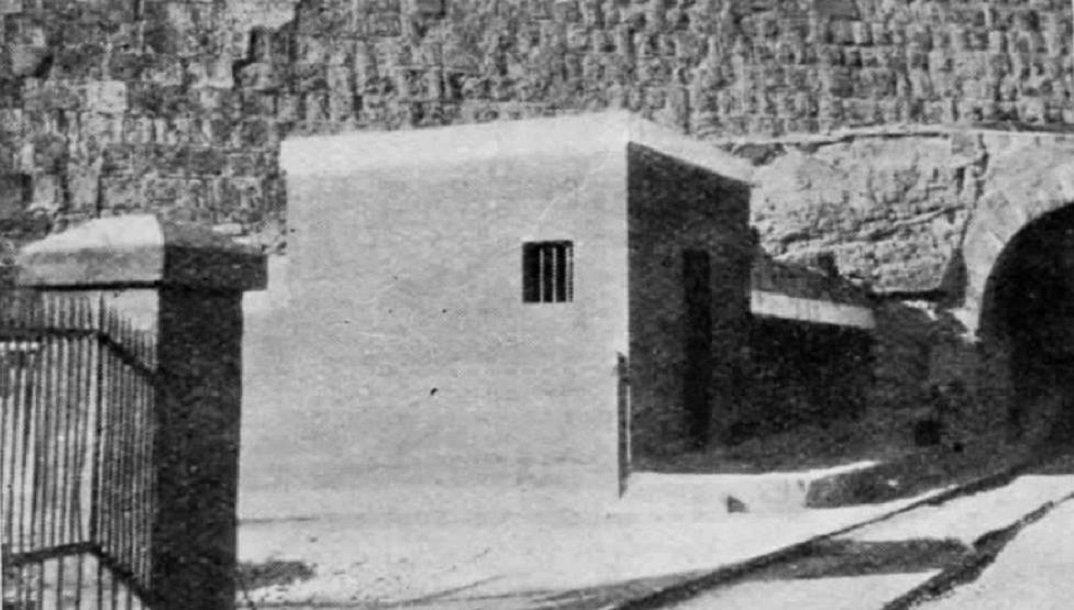
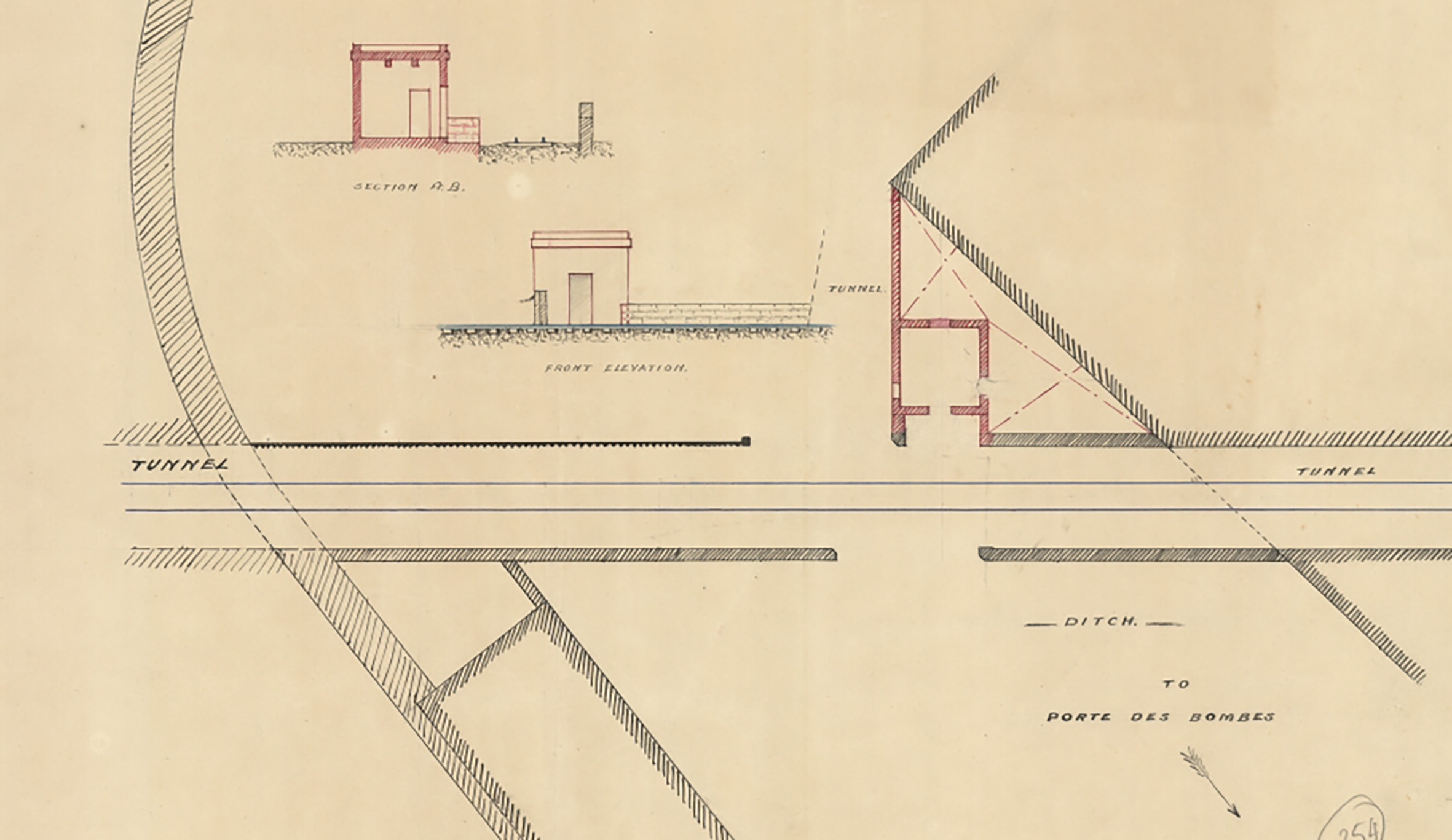
Despite the level crossing chains that were strung across the road when trains were approaching, there appears to have been little provision for a crossing keeper here until 1916. A dated drawing shows the partial infilling of the defensive drop-ditch to accommodate a stone room at the point where the railway crossed it by a short bridge; this was guard hut No.1. At about the same time, certainly before 1925, the bridge was widened and a low 35ft long platform constructed.
The railway clearly made some basic provision for passengers to join the train here, even providing a short platform, but there’s little information on how it was used, by which trains, and when. Considering the official station at Floriana wasn’t used by all trains, the halt at Guard hut No. 1 can’t have seen much more traffic.
Previous station – Next station
